The potential for solar energy in Malawi is immense, fueled by abundant sunshine and a growing demand for reliable power. For an entrepreneur considering a solar module factory, however, the greatest challenge may not be production technology but a simple fact of geography: Malawi is a landlocked country.
The success of such a venture will hinge on mastering the complex journey of raw materials from an international seaport, across another nation’s territory, and onto the factory floor.
This article breaks down the logistical challenges and strategic solutions for building a resilient supply chain for a solar module factory in Malawi. It offers a framework for understanding the critical path from global suppliers to local production, turning a potential obstacle into a manageable part of the business plan.
The Geographic Challenge: A Landlocked Reality
Without direct access to the sea, any Malawian import operation must rely on the transport corridors of its coastal neighbors. For solar manufacturing, which involves importing bulky and fragile materials, the choice of corridor is a critical strategic decision. Three primary routes serve the country:
-
The Nacala Corridor (Mozambique): Often the most direct and efficient route, with a railway line that extends deep into Malawi. This makes it a preferred option for heavy freight.
-
The Beira Corridor (Mozambique): A well-established route combining road and rail, offering a crucial alternative that serves the southern and central regions of Malawi.
-
The Dar es Salaam Corridor (Tanzania): A longer, predominantly road-based route that serves as a vital third option, particularly for the northern parts of the country.

Each corridor comes with its own mix of cost, transit time, and risk. A thorough feasibility analysis must weigh these variables against the factory’s specific location within Malawi and the prevailing political and infrastructural conditions.
Analyzing the Key Logistical Stages
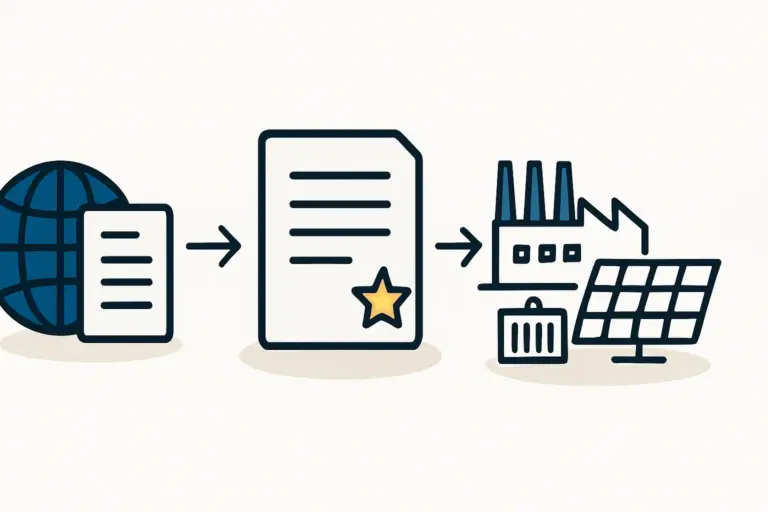
The journey of components from an Asian manufacturing hub to a factory in Blantyre or Lilongwe is a multi-stage process with potential bottlenecks at every step. Understanding this process is the first step toward mitigating risk.
Stage 1: International Sea Freight
The process begins with sourcing raw materials for solar modules—primarily solar cells, glass, EVA encapsulant, and aluminum frames—from manufacturers in Asia. These materials are typically shipped in standard 20-foot or 40-foot containers. This stage requires careful coordination with freight forwarders to manage vessel bookings, documentation, and transit to the chosen African port.
Stage 2: Port Operations and In-Transit Customs
Once a container arrives at Nacala, Beira, or Dar es Salaam, it enters a critical phase. The cargo is not being imported into Mozambique or Tanzania but is simply transiting through. This requires specific customs procedures, such as an in-transit bond, to ensure the cargo reaches the Malawian border. Delays at this stage, often due to port congestion or documentation errors, can lead to significant demurrage and storage fees.
Stage 3: The Critical Inland Journey
This is arguably the most challenging leg of the supply chain. Transporting containers from the port to the Malawian border can be done by rail or road.
-
Rail transport, where available (primarily from Nacala), is a secure and cost-effective solution for heavy goods but may have less frequent schedules.
-
Road transport offers greater flexibility but exposes the cargo to risks such as poor road conditions, security vulnerabilities, and seasonal weather disruptions like flooding. The condition of the roads directly impacts transit times and increases the risk of damage to fragile materials like solar glass.

Stage 4: Border Crossing and Final Delivery
When the cargo reaches the Malawian border (e.g., Mwanza from the Beira corridor), it must undergo final customs clearance. This is another potential bottleneck prone to administrative delays. After clearing customs, the final delivery to the factory site completes the journey.
Strategic Considerations for a Resilient Supply Chain
A proactive approach to logistics is essential. Rather than simply reacting to problems, a successful operator builds a system designed to withstand delays and disruptions.
Managing Inventory and Working Capital
The ‘Just-in-Time’ inventory model is ill-suited for this environment. With potential lead times from supplier to factory door ranging from 60 to 120 days, maintaining a significant buffer stock is non-negotiable. A prudent strategy is to hold at least two to three months of critical raw materials in a secure warehouse. This approach requires a higher allocation of working capital but ensures production can continue when an incoming shipment is delayed.
Building Strong Local Partnerships
The importance of experienced and reliable local partners cannot be overstated. A skilled customs clearing agent and a reputable inland transport company are essential. These partners navigate complex local regulations, manage paperwork efficiently, and provide real-time updates on cargo movement. Their expertise is crucial for minimizing delays at ports and border crossings.
Packaging and Material Handling
Given the long and often rough inland journey, robust packaging is critical. Fragile items like solar glass and cells must be crated and packed to withstand significant vibration and shock. The factory layout itself must also be designed for the efficient unloading and safe storage of these large and heavy materials upon their arrival.
Risk Mitigation and Contingency Planning
A resilient supply chain is one with redundancies. This means having pre-vetted alternative options for key services. For instance, an operator should have relationships with transport providers on more than one corridor. If political instability or a natural disaster disrupts the Nacala route, the ability to quickly pivot to the Beira or Dar es Salaam corridors can prevent a complete production shutdown. Comprehensive cargo insurance covering all stages of transit is also a non-negotiable part of risk management.

Experience from Turnkey Projects
Experience from J.v.G. Technology’s turnkey projects in regions with similar logistical challenges shows that a detailed feasibility study is the first critical step. This study should model the fully-landed costs and expected transit times for each potential corridor. It provides the hard data needed to make informed decisions before any major investment is made. This logistical plan is a core part of the overall process of setting up a solar module factory.
Frequently Asked Questions (FAQ)
Which port is generally the best for a factory in Malawi?
The Nacala corridor is often preferred due to its direct rail link and proximity, especially for factories in central and northern Malawi. However, the best choice depends on the factory’s specific location, current freight rates, and the operational status of each corridor. A diversified strategy using at least two corridors is often the most resilient.
How much buffer stock should a factory in Malawi hold?
To mitigate the high variability of the supply chain, it’s wise to hold a minimum of two, and ideally three, months’ worth of key production materials (solar cells, glass, EVA) in on-site or nearby warehousing.
What are the main hidden costs in this supply chain?
Common unforeseen costs include demurrage (fees for delayed container pickup at the port), unexpected customs charges or penalties, and financial losses from production downtime caused by transport delays.
Can materials be sourced from within Africa to shorten the supply chain?
Currently, most specialized raw materials like high-quality solar cells and tempered solar glass are imported from established global hubs, primarily in Asia. While some components like aluminum frames could potentially be sourced regionally as industrial capacity grows, a reliance on international imports is the present reality.
Conclusion and Next Steps
Establishing a solar module factory in a landlocked country like Malawi comes with unique logistical hurdles, but they are far from insurmountable. These challenges are not a barrier to entry but strategic variables that must be managed with meticulous planning, strong local partnerships, and a proactive approach to risk.
By building a resilient and well-understood supply chain, an entrepreneur can turn a geographic disadvantage into a competitive strength, ensuring consistent production in one of Africa’s most promising solar markets.
Understanding these logistical complexities is the foundational step. From there, further exploration into factory design, machinery selection, and financial modeling will add the next layer of detail for a comprehensive business plan.