For many international observers, Mali is a paradox: a nation with some of the world’s most abundant solar resources, yet one where a significant portion of the population lives without reliable electricity.
This gap presents clear developmental challenges, but it also creates a substantial business opportunity for forward-thinking entrepreneurs. The solution may not lie in large-scale, grid-tied power plants, but in a more agile, localized approach: small-scale solar module assembly focused squarely on the nation’s burgeoning off-grid market.
This article lays out the strategic case for establishing a 5–20 megawatt (MW) solar module assembly line in Mali. It’s a business model tailored to serve the immediate needs of rural communities, agriculture, and small enterprises, providing a practical entry point into the renewable energy sector.
Understanding Mali’s Unique Energy Landscape
To appreciate the opportunity, it’s essential to understand Mali’s energy sector. Unlike in mature energy markets, the greatest demand here isn’t for centralized power but for distributed, off-grid solutions.
Several factors contribute to this unique environment:
Exceptional Solar Irradiation
Mali benefits from an average of 6.0 to 6.5 kWh/m² per day, making it one of the most solar-rich locations globally. This natural resource is consistent and widely available across the country.
The Electrification Gap
National electricity access stands at approximately 45%, but this figure plummets to just 17% in rural areas. This disparity means millions of households and businesses rely on expensive, inefficient alternatives like diesel generators.
Government Focus on Renewables
The Malian government, through agencies like ANER-Mali (The National Agency for the Development of Renewable Energy and Energy Efficiency), has set ambitious targets. The goal is to achieve 61% renewable energy in the national mix by 2030, with a strong emphasis on rural electrification through mini-grids and standalone solar systems.
Strong Off-Grid Demand
The most urgent need for power comes from sectors the national grid doesn’t reach. This includes agriculture for water pumping and irrigation, small businesses requiring reliable power for machinery, and rural households seeking electricity for lighting and communication.
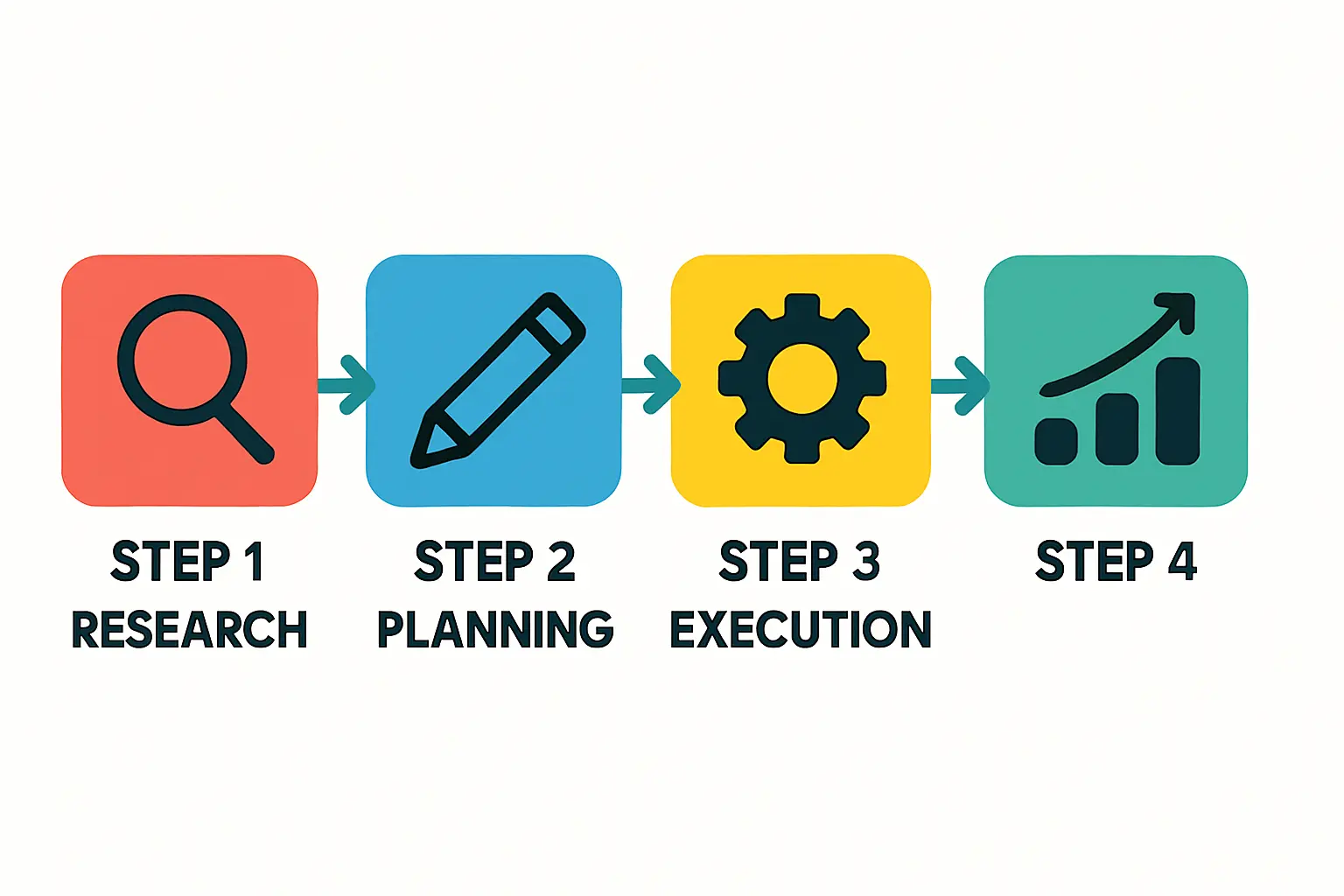
This landscape points to a clear conclusion: Mali’s most immediate and impactful market for solar energy is off-grid.
The Challenges of Relying on Imported Solar Modules
Currently, the vast majority of solar modules installed in Mali are imported. While this might seem like a straightforward supply solution, it creates persistent challenges for local installers and project developers. Recognizing these issues is key to understanding the value of local production.
Common challenges of relying on the global solar supply chain include:
High Logistics Costs and Delays
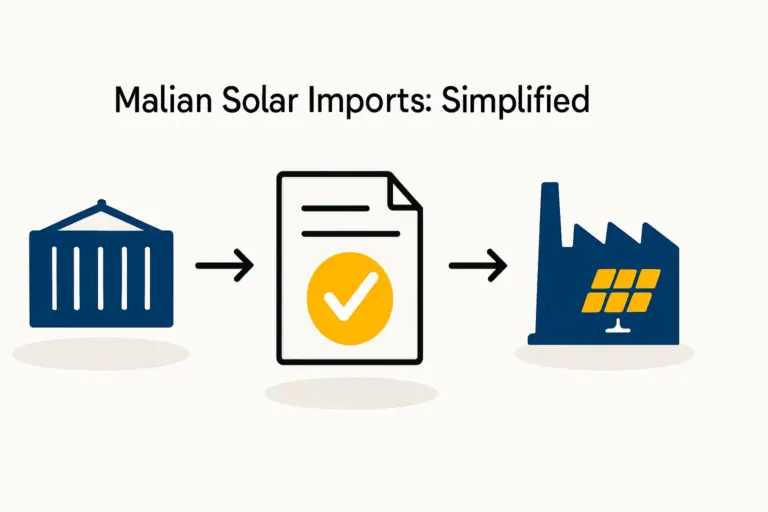
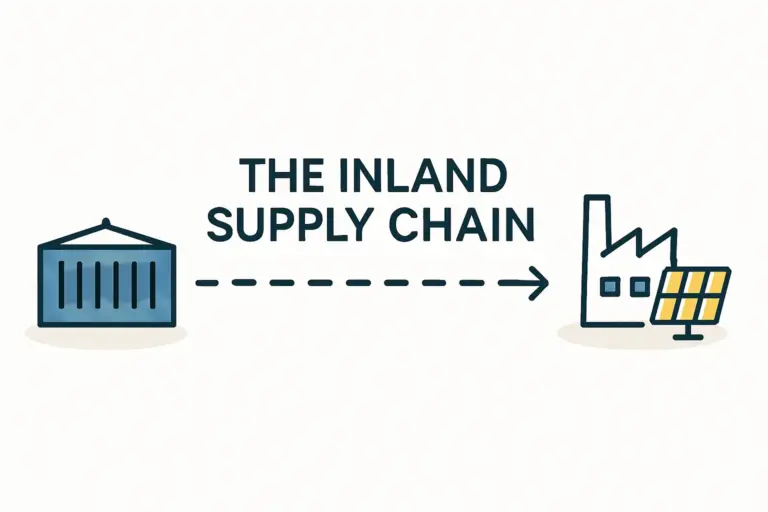
Shipping bulky, fragile solar panels from manufacturing hubs in Asia or Europe to a landlocked country like Mali is expensive and complex. Port congestion, customs clearance, and inland transportation add significant costs and weeks, if not months, to project timelines.
Currency Fluctuation Risks
Purchasing modules in US Dollars or Euros exposes local businesses to currency volatility against the West African CFA franc, making financial planning difficult.
Inappropriate Product Specifications
Standard modules are typically designed for large-scale solar farms in different climates. They are often too large, have too high a wattage, or are not durable enough for off-grid applications in Mali, where high temperatures and dust are common. Transporting large panels on rural roads also leads to a higher rate of breakage.
Lack of Local Support and Service
When imported modules fail or underperform, warranty claims and technical support can become a slow and frustrating process, further eroding project viability.
These factors combine to inflate the final cost of solar installations and limit the pace of rural electrification.
The Strategic Advantage of Local Assembly
A local assembly operation directly addresses the shortcomings of an import-dependent model. Shifting the final stage of manufacturing into the country allows an entrepreneur to build a business with significant competitive advantages.
Economic Advantages:
-
Job Creation: A semi-automated 10 MW assembly line typically requires around 30 skilled and semi-skilled employees, creating valuable local employment.
-
Skills Development: The operation can serve as a center for technical training in a high-growth industry.
-
Reduced Forex Outlay: While solar cells and other components are still imported, assembling locally reduces the total foreign currency required per module.
Logistical and Technical Advantages:
-
Lower Costs and Faster Delivery: Assembling modules in-country drastically cuts shipping costs and delivery times, allowing local solar installers to respond to market demand quickly.
-
Customized Products: A local factory can design and produce modules specifically for the Malian off-grid market. This could mean smaller, more portable panels for solar home systems or more robustly framed modules designed to withstand rough transport and harsh environmental conditions.
-
Improved Quality Control: On-site testing and quality assurance ensure that every module meets standards appropriate for the local climate.
Why a Small-Scale (5–20 MW) Line is the Ideal Starting Point
For a market like Mali, starting with a large, 100 MW+ factory would be a strategic error. Such a facility would create overcapacity, require immense capital investment, and struggle to find enough large-scale buyers.
A small-scale line, in contrast, is perfectly calibrated to the current market reality. A 5–20 MW facility can serve the existing, fragmented demand from hundreds of smaller installers, agricultural cooperatives, and mini-grid developers, matching production capacity directly to real-world demand.
From a business perspective, it offers a much more manageable entry point. The investment requirements for a solar module factory of this size are significantly lower, and the physical footprint is modest—a 10 MW line can be housed in a facility of around 1,500 square meters.
This model focuses on the final assembly part of the solar panel manufacturing process explained step-by-step, which involves combining high-quality imported components like solar cells, glass, and frames into a finished product. This is the most common and successful entry strategy for new manufacturers globally.
A Practical Look at a 5-20 MW Assembly Operation
The term ‘manufacturing’ can sound intimidating, but a small-scale assembly line is a structured, manageable process. It doesn’t involve the complex chemistry of producing silicon cells; instead, it is a sequence of precise assembly steps.
The primary stages include:
-
Cell Stringing: Connecting individual solar cells into rows.
-
Layup: Assembling the layers: glass, encapsulant (EVA), strung cells, another layer of EVA, and a backsheet.
-
Lamination: Fusing the layers together under heat and pressure to create a durable, weatherproof laminate.
-
Framing: Attaching an aluminum frame for rigidity and mounting capability.
-
Junction Box Installation: Adding the electrical enclosure that houses the bypass diodes and output cables.
-
Testing: Flash-testing each completed module to verify its power output and electrical characteristics.
For entrepreneurs without a background in solar engineering, turnkey solar production lines provided by experienced partners can de-risk the entire venture. Based on experience from turnkey projects by partners like J.v.G. Technology, these solutions include equipment sourcing, factory layout design, installation, and comprehensive staff training to ensure a smooth start to operations.

Frequently Asked Questions (FAQ)
What is the typical investment for a 10 MW line?
The total investment depends on the level of automation and selected equipment suppliers. However, a semi-automated 10 MW line has a significantly lower capital expenditure than a large-scale factory, making it accessible for private entrepreneurs or joint ventures. A detailed business plan is essential to determine precise costs.
How many employees are needed?
A semi-automated 10 MW line operating on a single shift typically requires a team of 25–35 people, including operators, technicians, quality control staff, and administrative personnel.
Do I need a technical background in solar energy?
While technical curiosity is helpful, a deep engineering background is not a prerequisite. The key is to have a strong business plan and to partner with experienced technical consultants who can guide the project. The pvknowhow.com platform provides structured e-courses to help business professionals build this foundational knowledge.
What are the main raw materials required?
The primary components are monocrystalline or polycrystalline solar cells, solar-grade glass, encapsulant films (EVA), a backsheet (or a second sheet of glass), aluminum frames, and junction boxes. These are typically sourced from established international suppliers.
How long does it take to set up such a factory?
With clear planning and an experienced partner, a small-scale assembly line can become operational in under a year—from initial equipment ordering to the production of the first certified module.
Conclusion: Seizing the Off-Grid Opportunity in Mali
The business case for small-scale solar module assembly in Mali is compelling. This market-driven solution directly addresses the challenges of import dependency while aligning with national development goals. For an entrepreneur, it offers a practical and financially viable entry into one of the world’s most critical growth industries.
By focusing on the tangible needs of the off-grid sector, a local assembly plant can build a resilient business, create local value, and play a pivotal role in powering Mali’s future. The opportunity is not about competing with global giants; it is about serving a local market better than anyone else.