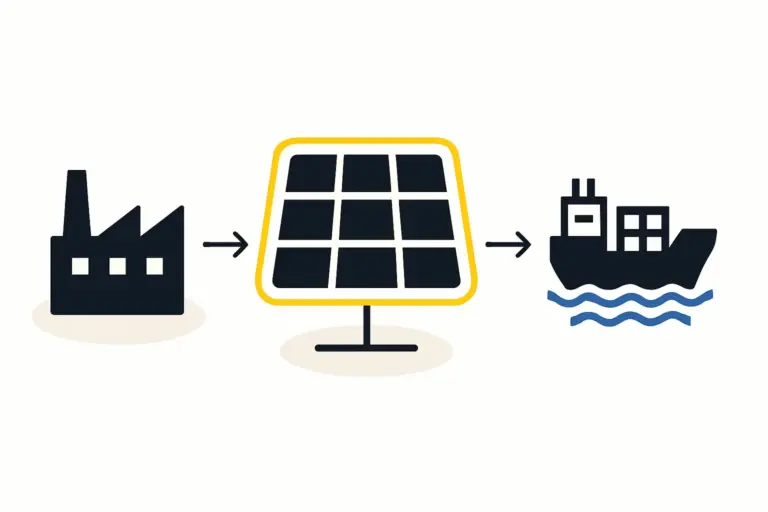
Choosing the right location for a new manufacturing facility is one of the most critical decisions an entrepreneur can make. Beyond logistics and market access, the local regulatory and financial environment can determine a project’s viability long before the first machine is ever installed. For those entering the solar panel manufacturing sector, countries that actively support industrial development through structured incentives offer a significant advantage.
Malta, through its primary economic development agency, Malta Enterprise, offers a compelling framework of investment aid designed to attract high-value manufacturing, including renewable energy technologies. This guide breaks down these schemes, outlining how they can substantially reduce the capital burden and operational risks for new solar manufacturing ventures.
Understanding the Core Incentive: Investment Aid Tax Credits
The cornerstone of Malta’s support system is the Investment Aid scheme, structured to align with EU regulations. This scheme offers direct financial assistance as tax credits, which can be used to offset future tax liabilities. For a business establishing a new solar factory, this directly lowers the effective cost of setting up the facility.
The aid intensity, which is the percentage of costs covered, is determined by the size of the enterprise:
- Small Enterprises: Up to 50% of qualifying costs
- Medium Enterprises: Up to 40% of qualifying costs
- Large Enterprises: Up to 30% of qualifying costs
What Costs Are Covered?
The scheme supports the core investments required to build a modern manufacturing operation. Qualifying expenditures typically include the acquisition of tangible and intangible assets.
For a solar module factory, this means a significant portion of the initial setup costs can be subsidized. The tax credits can be applied toward the necessary machinery and production lines, such as stringers, laminators, and testing equipment, as well as investments in the factory building and the acquisition of patents or production licenses.

As J.v.G. Technology GmbH knows from its experience with turnkey projects, managing the high initial capital outlay for equipment is a major concern for new market entrants. A 30% tax credit on a multi-million Euro equipment investment provides substantial financial relief and accelerates the path to profitability.
Supporting Growth Beyond Initial Setup
While capital investment is the largest initial hurdle, long-term success depends on continuous improvement and a skilled workforce. Malta Enterprise offers additional schemes to support these critical areas.
Access to Finance: Soft Loans
In addition to tax credits, Malta Enterprise can help facilitate access to finance through soft loans. These loans typically feature favorable terms, such as lower interest rates or flexible repayment schedules, compared to standard commercial loans. This support is particularly useful for managing cash flow during the initial operational phase and covering working capital needs as production ramps up.
Skills Development Scheme
A new factory requires a trained workforce. The Skills Development Scheme helps companies fund the training of their employees, offering financial assistance to cover portions of wages for trainers and trainees, as well as other related costs. For an entrepreneur building a team from the ground up, this scheme de-risks the investment in human capital and ensures the local workforce has the specific technical skills required for solar panel assembly and quality control.
Research and Development Support
Innovation is key to maintaining a competitive edge in the solar industry. Malta Enterprise offers grants for R&D Feasibility Studies, allowing businesses to explore the viability of new products or processes with reduced financial risk. If a company plans to develop specialized modules, for example for agrivoltaics or building-integrated photovoltaics (BIPV), this grant can fund the initial research to validate the concept before committing to full-scale development. This support is crucial for businesses aiming to serve niche markets or adapt products to specific regional conditions, such as high temperatures or humidity prevalent in parts of Africa and the Middle East.
The Strategic Advantage of Malta’s Location
Beyond direct financial incentives, Malta’s geographic position offers a strategic advantage. As a member of the European Union, Malta provides unrestricted access to the European single market. Its location in the central Mediterranean also makes it a logical logistical hub for serving markets in North Africa and the Middle East, regions with rapidly growing demand for solar energy solutions.
For an international entrepreneur, this combination of a stable, EU-compliant regulatory environment, substantial financial support, and strategic market access makes Malta a compelling choice for investment.

Frequently Asked Questions (FAQ)
Can foreign-owned companies apply for these incentives?
Yes, the schemes offered by Malta Enterprise are available to qualifying companies regardless of the nationality of their owners. The primary requirement is that the investment and subsequent operations are based in Malta.
What is the typical application process for Investment Aid?
The process generally involves submitting a detailed business plan and application form to Malta Enterprise. The plan must outline the proposed project, investment costs, projected job creation, and financial projections. Malta Enterprise evaluates the project’s economic viability and its contribution to the Maltese economy before granting approval. A structured business plan, such as those covered in the pvknowhow.com e-course, is essential for a successful application.
Are these schemes only for large-scale factories?
No, the incentive structure supports businesses of all sizes. In fact, small and medium enterprises (SMEs) are eligible for a higher percentage of aid compared to large enterprises, making the schemes particularly attractive for entrepreneurs starting with a smaller or mid-sized production line (e.g., 20–100 MW).
What defines a small, medium, or large enterprise?
The definitions are based on standard EU criteria, which consider headcount, annual turnover, and the balance sheet total. Generally, a small enterprise has fewer than 50 employees, a medium enterprise has fewer than 250, and a large enterprise has 250 or more.
Take the Next Step
Understanding the financial incentives available is a critical first step in the complex process of establishing a solar manufacturing plant. This framework offers a clear path toward reducing initial investment costs and mitigating operational risks.
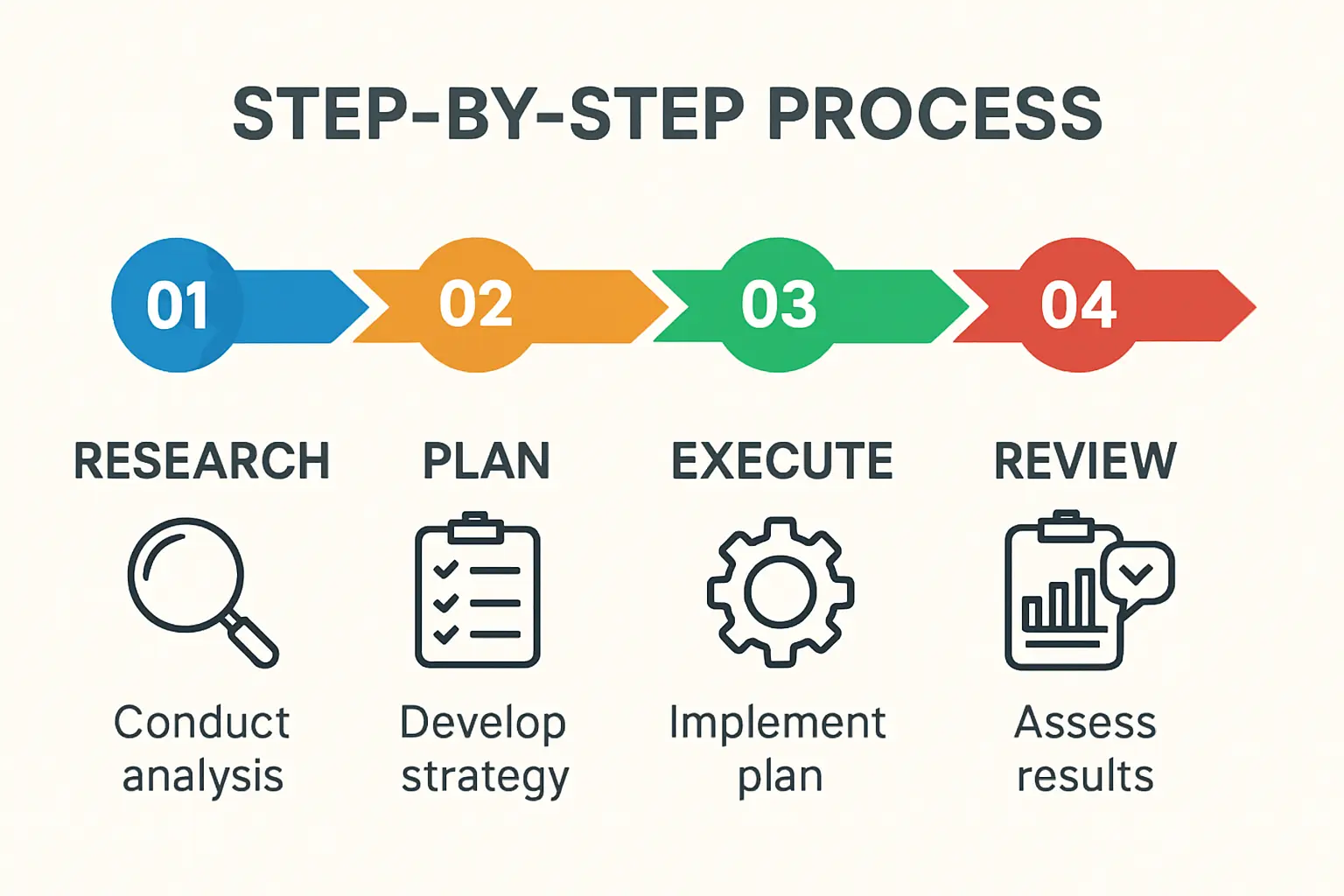
Your next step is a detailed analysis of the operational, logistical, and technical requirements needed to bring such a project to life. A comprehensive feasibility study and business plan are essential tools to move from consideration to execution.