For many entrepreneurs considering the solar manufacturing sector, a primary concern is the availability of skilled labor. In regions where a photovoltaic (PV) industry is not yet established, the talent pool for specialized roles like stringer machine operators or quality control inspectors is often non-existent. This talent gap can seem like a significant barrier to entry.
However, experience from dozens of new factory setups in emerging markets points to a different reality. The absence of a pre-existing labor pool is not an obstacle but an opportunity to build a highly loyal, proficient, and cost-effective workforce from the ground up. With a structured training plan, a motivated local team can be transformed into a world-class production unit—one of the factory’s most valuable assets. This article outlines a proven, phased approach for achieving that transformation.
The Core Challenge: Bridging the Solar-Specific Skill Gap
While general industrial skills, such as an understanding of factory safety protocols or basic mechanical aptitude, can often be found in the local labor market, solar module manufacturing demands a unique set of skills. Industry analysis of turnkey projects shows that less than 5% of initial local hires typically have any prior experience in photovoltaics.
The specific knowledge gap often lies in areas such as:
-
Delicate Material Handling: Working with fragile silicon solar cells, which are mere micrometres thick.
-
Process-Specific Machine Operation: Understanding the parameters of lamination, cell stringing, and electroluminescence (EL) testing.
-
Quality Control Standards: Identifying subtle defects like microcracks or soldering imperfections that are invisible to the untrained eye but critical for module longevity and for obtaining necessary product certifications.
Attempting to operate a sophisticated production line without systematically addressing this gap leads to predictable and costly problems: high material wastage, low production yield, frequent equipment downtime, and, ultimately, a failure to produce bankable solar modules.
Key Technical Roles to Develop in a Solar Module Factory
A successful training program focuses on developing proficiency in three core technical roles:
-
Machine Operators: These individuals are the backbone of the production line, responsible for operating key equipment like the automatic stringer, laminator, and framing station. Training focuses on procedural discipline, attention to detail, and a fundamental understanding of how their machine affects final product quality.
-
Quality Control (QC) Inspectors: QC inspectors act as the guardians of product quality. Their training centers on visual inspection criteria, the interpretation of EL images to detect microcracks, and the correct operation of IV (current-voltage) testers. A well-trained QC team is essential for ensuring every module meets international standards.
-
Maintenance Technicians: A skilled maintenance team is indispensable for ensuring high production uptime. These technicians, often with a background in electrical or mechanical engineering, require specialized training on the pneumatics, servo motors, and control systems specific to the factory’s chosen machinery.
A Phased Approach to Workforce Training and Development
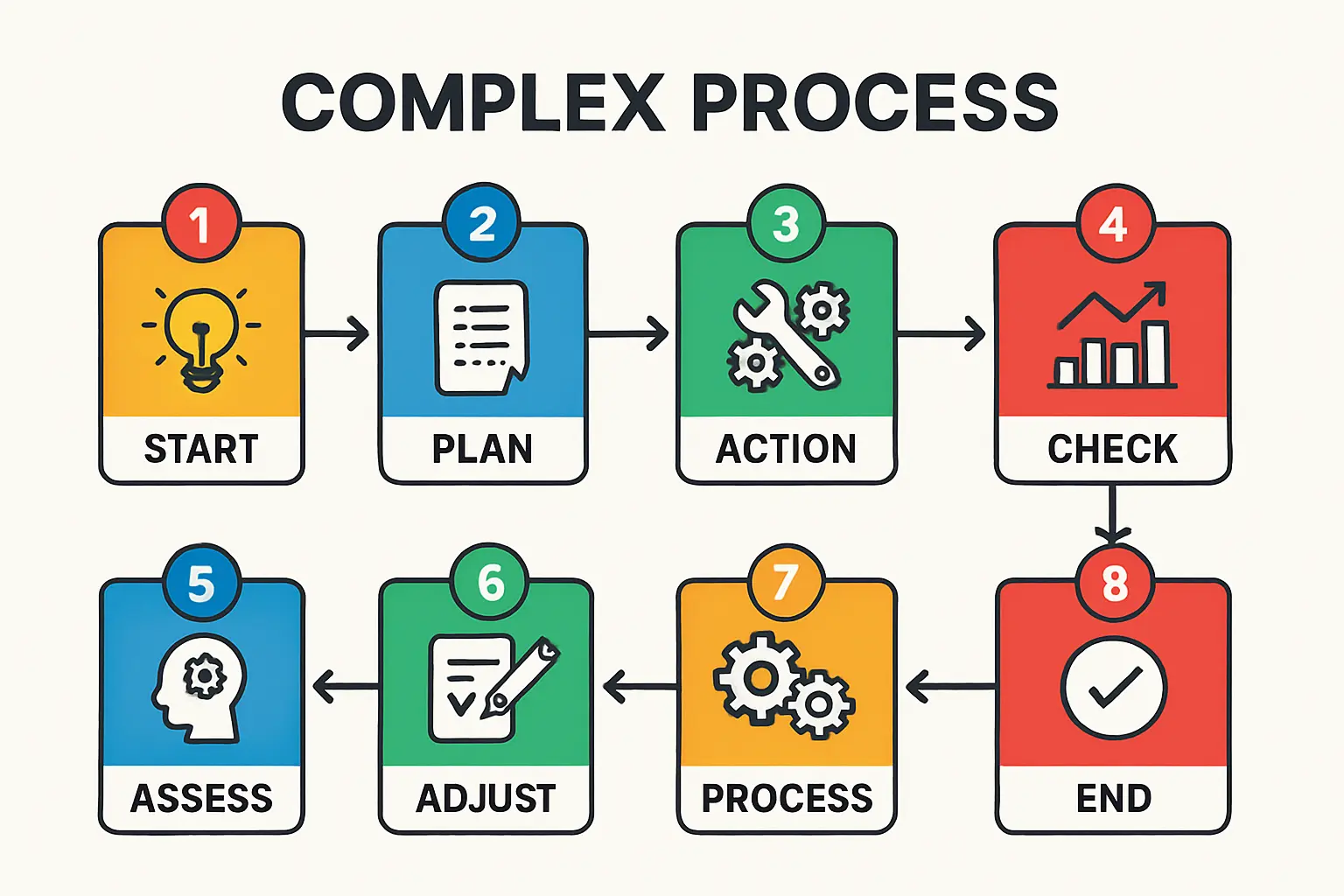
A robust training program is not a single event but a continuous process. A proven method involves three distinct phases that align with the factory’s setup timeline, ensuring knowledge is delivered just when it can be put into practice.
Phase 1: Foundation Building (Pre-Installation – Weeks 1-4)
This initial phase takes place before the main production equipment arrives. The goal is to build a solid foundation of theoretical knowledge and identify individuals with the highest aptitude for more specialized roles.
Curriculum: Classroom-based learning covers an introduction to photovoltaic principles, factory safety standards, electrostatic discharge (ESD) precautions, and the functions of each stage in the production process.
Methodology: Led by an experienced training manager and often supported by e-learning modules from resources like pvknowhow.com, this phase focuses on theory and establishing a professional, quality-focused culture.
Outcome: All technical staff gain a common vocabulary and understanding of the entire manufacturing process. Management can identify promising candidates for lead operator and QC inspector roles.

Phase 2: On-the-Job Training with Expert Supervision (Installation & Commissioning – Weeks 5-12)
This is the most critical phase, where theoretical knowledge translates into practical skill. It begins as the production machinery is being installed and commissioned.
Curriculum: Hands-on, machine-specific training delivered directly on the factory floor. This includes loading materials, operating the human-machine interface (HMI), performing basic changeovers, and identifying common error codes.
Methodology: Local trainees work alongside the equipment supplier’s commissioning engineers. Based on experience from J.v.G. turnkey projects, this ‘shadowing’ model is highly effective. The engineers explain not just the ‘how’ but the ‘why’ behind each operational step, imparting deep practical knowledge.
Outcome: The local team learns to operate and perform basic troubleshooting on the equipment under the direct guidance of the people who designed and built it. This period builds confidence and real-world competence. A recent project partner in North Africa, for instance, used this phase to train a team with zero prior solar experience to the point where they could independently run trial production batches.
Phase 3: Independent Operation and Process Optimisation (Post-Commissioning – Ongoing)
Once the factory is officially commissioned and commercial production begins, training transitions from knowledge acquisition to performance enhancement.
Curriculum: Advanced topics include minimising material waste, optimising machine cycle times, and advanced interpretation of quality control data.
Methodology: The local team now operates the line independently, with performance monitored against key metrics. Regular review meetings allow the team to discuss challenges and identify opportunities for process improvement. The initial training experts may transition to a remote support role.
Outcome: The local workforce becomes a self-sufficient, high-performing team capable of meeting and exceeding production and quality targets. This creates a sustainable operational model that is independent of long-term foreign expertise.
Measuring Success: Key Performance Indicators for Your Training Program
To ensure the training program delivers a return on investment, it’s essential to measure its effectiveness against clear, business-relevant metrics.
-
Production Yield: The percentage of A-grade modules produced out of the total. A rising yield is a direct indicator of improving operator skill and process control. An initial target of 95% or higher is common.
-
Machine Uptime: This measures the effectiveness of the maintenance team’s training. World-class facilities often achieve uptime rates exceeding 98%.
-
Defect Rate: A detailed analysis of defect types (e.g., soldering defects, bubbles in the laminate) can pinpoint specific areas where retraining is needed.
-
Employee Retention: Facilities with structured, formal training programs experience significantly lower staff turnover. A well-trained and empowered team is more engaged and loyal.
Frequently Asked Questions (FAQ)
What is the ideal educational background for a technician trainee?
While a technical diploma in an electrical or mechanical field is advantageous, it is not always a requirement. The most crucial attributes are a strong work ethic, excellent attention to detail, and a willingness to learn and follow precise procedures. Many successful operators come from diverse backgrounds.
How many employees are needed to start a small solar factory?
The exact number depends on the level of automation. However, a typical 20–50 MW semi-automated line can often be operated efficiently with fewer than 30 technical and operational staff per shift.
Is it necessary to hire foreign experts long-term?
The goal of a well-designed training program is knowledge transfer. Foreign experts are indispensable during the installation, commissioning, and initial ramp-up phases (typically 3–6 months). A successful program ensures the local team becomes fully self-sufficient within the first year of operation.
What is the typical cost of a comprehensive training program?
For investors engaging a turnkey solutions provider like J.v.G. Technology GmbH, a comprehensive training program is typically integrated into the overall project package. It is best viewed not as a separate cost but as an essential investment that protects the much larger investment in machinery and the facility itself.
Conclusion: Your Workforce as a Long-Term Asset
Developing a skilled local workforce in a new market is a manageable process that transforms a perceived liability into a sustainable competitive advantage. By implementing a structured, three-phase training program, investors can build a loyal and highly capable team that ensures product quality, operational efficiency, and long-term profitability.
This strategic investment in people not only de-risks the manufacturing operation but also creates significant value for the local community, positioning the factory as a desirable local employer for years to come.