Entrepreneurs considering a solar module factory tend to focus on production technology and market demand. They calculate potential output, secure funding, and draft a business plan.
Yet a critical factor in the success of such a venture—especially in a remote location like the Federated States of Micronesia (FSM)—is often underestimated: the physical process of getting raw materials to the factory door.
For island nations, logistics are not merely an operational detail; they are a central strategic challenge. Failing to grasp the complexities of shipping routes, transshipment hubs, and local import procedures can lead to critical delays and unforeseen costs that erode profitability before the first solar module is even assembled. This analysis examines the logistical landscape for sourcing solar materials to Micronesia’s main islands.
The Strategic Importance of Supply Chain Planning for Island Nations
The Federated States of Micronesia, a Compact of Free Association (CFA) nation with the United States, offers a unique operating environment. With no local manufacturing of the core components for solar module production, all inputs must be imported, making the supply chain the venture’s lifeline.
A steady flow of key solar module raw materials (link-to-solar-module-raw-materials-page)—such as solar glass, encapsulant films (EVA), photovoltaic cells, backsheets, and aluminum frames—must be reliably sourced and transported. Each material has specific handling requirements; for example, crates of solar glass are fragile and heavy, while rolls of EVA can be sensitive to temperature and humidity. A robust logistical plan must account for these nuances from the point of origin to the factory floor.
Primary Sourcing and Shipping Routes to Micronesia
Factory operators in the FSM have two primary corridors for sourcing materials, each with its own cost structure and transit times.
Sourcing from Asia (China, Taiwan, South Korea)
The majority of the world’s solar components are manufactured in Asia, making it the most common point of origin.
- Lead Times: Typical sea freight transit from major Asian ports to Micronesia ranges from 25 to 40 days.
- Costs: A standard 40-foot container can cost between $3,000 and $5,000 USD, though these figures are subject to market volatility.
- Route: Direct sailings are uncommon. Shipments are typically routed through major regional ports before being transferred to smaller vessels servicing the islands.
Sourcing from the United States (West Coast)
As a CFA nation, sourcing from the U.S. is a viable, albeit typically more expensive, alternative.
- Lead Times: Transit from the U.S. West Coast is slightly shorter, generally taking 20 to 35 days.
- Costs: The cost per 40-foot container is higher, usually falling between $5,000 and $7,000 USD.
- Route: Similar to Asian routes, shipments often require transfer at a major Pacific hub.
The Role of Transshipment Hubs
Regardless of origin, cargo destined for Micronesia’s main ports—Pohnpei, Chuuk, Yap, and Kosrae—almost always passes through a transshipment hub. The most common hubs are Guam and Honolulu. At these ports, containers are offloaded from large ocean liners and reloaded onto smaller vessels operated by regional carriers like Matson or Kyowa Shipping. This process adds time, cost, and an additional point of handling, increasing the risk of damage if materials are not packaged properly.
Financial Considerations: Calculating the True Landed Cost
The freight cost quoted by a shipping line is only one component of the total expense. An accurate business plan must account for the full landed cost.
Import Duties and Taxes
The FSM generally levies a 4% import tax on the CIF value of most goods. CIF stands for Cost, Insurance, and Freight—the total value of the goods plus the cost of shipping and insuring them to the destination port. This tax is a significant, recurring operational expense that must be factored into the final product’s pricing. And while the CFA status may offer preferential tariff treatment for certain U.S.-sourced goods, this should be verified specifically for commercial manufacturing inputs, as regulations can differ from those for consumer products.
Inter-Island Transport: The Final, Critical Mile
A common oversight in initial business plans is underestimating the cost and complexity of moving materials between Micronesia’s islands. If a factory is located on an island other than the main port of entry, materials will require a final leg of transport.
- Scheduling: Inter-island shipping services are often irregular and infrequent.
- Cost: This final step can add a substantial $1,000 to $2,500 per container.
- Vessels: Transport relies on smaller vessels or government-chartered ships, which may have limited capacity and handling capabilities.
A business plan that fails to budget for these inter-island costs and delays is fundamentally incomplete.

Navigating Local Infrastructure and Environmental Challenges
The final stage of the journey brings its own set of challenges, demanding careful planning.
Port and Customs Limitations
Micronesia’s ports have functional but limited infrastructure. Crane capacity may be insufficient for unusually heavy cargo, and shallow drafts can restrict the size of visiting vessels. Furthermore, limited storage space can become a bottleneck. Navigating customs clearance can also introduce delays if paperwork is not perfectly in order. A knowledgeable local shipping agent is indispensable for managing these processes efficiently.
Environmental Factors
The Pacific typhoon season can disrupt shipping schedules for weeks at a time. A resilient supply chain must incorporate buffer stock to ensure production can continue even if a shipment is delayed due to severe weather.
This entire logistical framework is crucial not just for the flow of raw materials but also for the initial delivery of the right solar manufacturing equipment (link-to-solar-manufacturing-equipment-page).
A Structured Approach to Logistics Planning
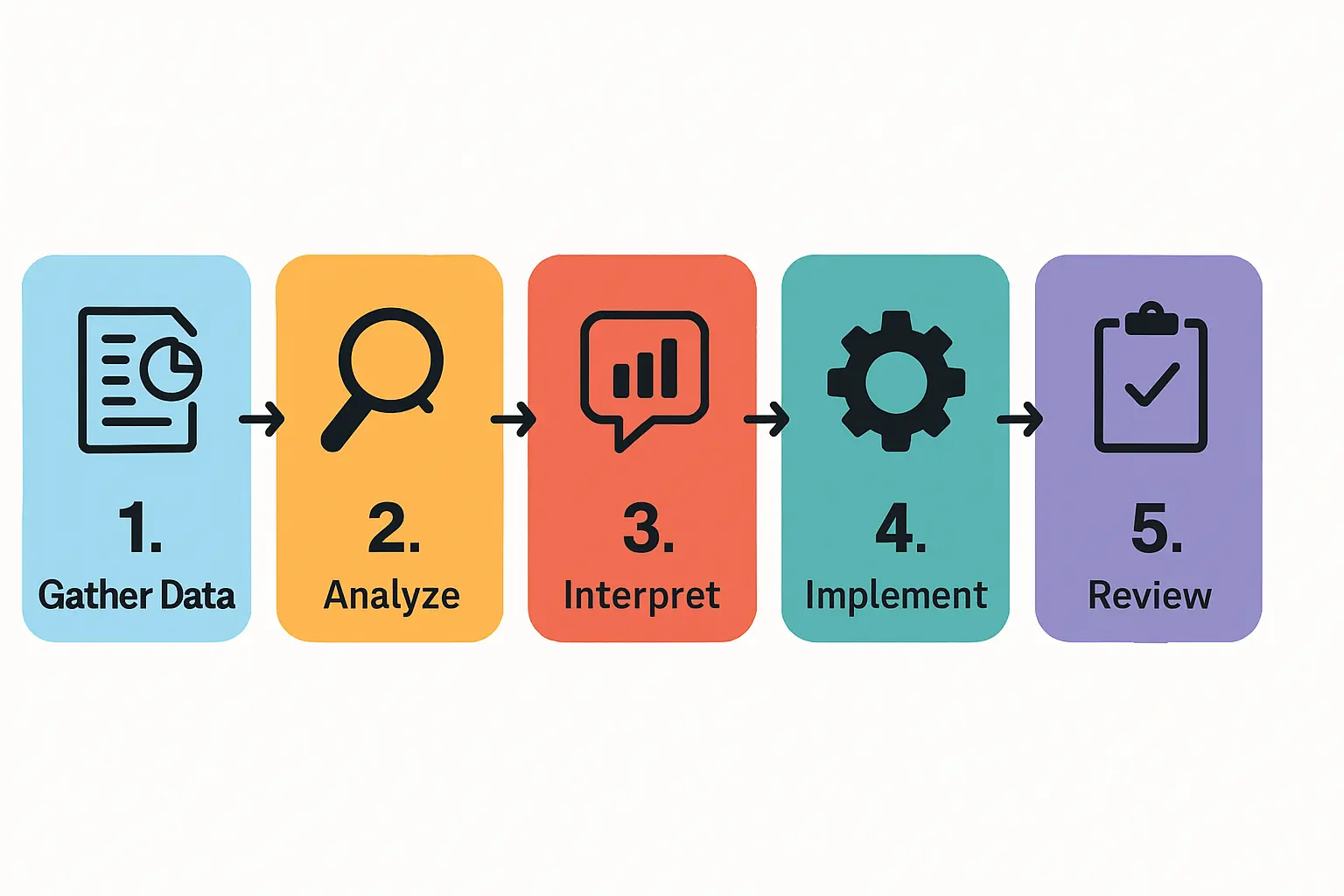
Successfully navigating these challenges requires a proactive and structured approach. Based on experience from J.v.G. turnkey projects, successful logistics planning involves several key steps:
- Thorough Supplier Vetting: Partner with material suppliers who have demonstrable experience shipping to remote Pacific island nations.
- Strategic Freight Forwarder Selection: Engage a freight forwarder with established routes and strong local relationships in Micronesia and key transshipment hubs like Guam.
- Comprehensive Contingency Planning: Build buffers into both budgets and timelines. Anticipate potential delays from customs, weather, or transshipment and hold sufficient inventory to mitigate their impact.
- Integrated Project Management: Ensure that logistical planning is not an afterthought. It must be fully integrated with factory building requirements (link-to-factory-building-requirements-page) and production schedules from day one. A turnkey solar production line (link-to-turnkey-solar-production-line-page) plan, for instance, typically includes logistical coordination as a core service.
Frequently Asked Questions (FAQ)
Why can’t solar materials be sourced locally in Micronesia?
Micronesia currently lacks the specialized industrial manufacturing needed to produce solar-grade glass, photovoltaic cells, and polymer films like EVA. Therefore, all primary materials must be imported.
Is it cheaper to source from Asia or the U.S.?
Generally, the base cost of materials and freight charges are lower from Asia. However, sourcing from the U.S. may offer slightly shorter transit times. Entrepreneurs should conduct a detailed cost-benefit analysis that also investigates any potential tariff advantages under the Compact of Free Association for U.S.-sourced goods.
What is ‘CIF value’ and why does it matter?
CIF stands for Cost, Insurance, and Freight. It represents the total value of your imported goods when they arrive at the port. This figure is important because it is the basis upon which Micronesia’s 4% import tax is calculated. A higher CIF value results in a higher tax liability.
How much buffer time should be added to shipping estimates?
Given the variables of transshipment, potential weather disruptions, and customs clearance, it is prudent to add a buffer of at least three to four weeks to standard shipping lead times to avoid production stoppages.
Conclusion: From Logistical Hurdles to Strategic Advantage
The logistical complexities of operating in a remote island nation like Micronesia are significant, but they are not insurmountable. By understanding the shipping routes, calculating true landed costs, and planning for local challenges, an entrepreneur can turn a potential vulnerability into a well-managed part of the operation.
Success in this environment depends less on avoiding logistical hurdles—which is impossible—and more on anticipating and planning for them with precision. A mastery of the supply chain is as critical as the technology inside the factory.
For those developing a comprehensive business plan, the next logical step is to understand how these material inputs are transformed into a finished product. Examining the processes and machinery involved provides the next piece of the manufacturing puzzle.