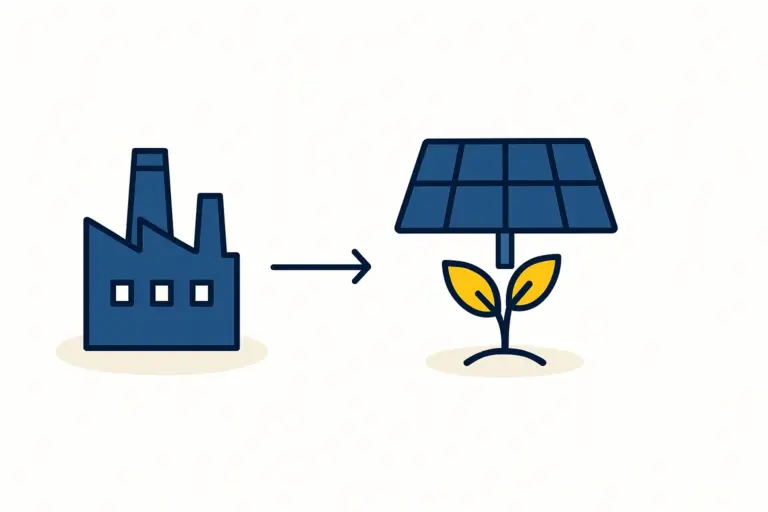
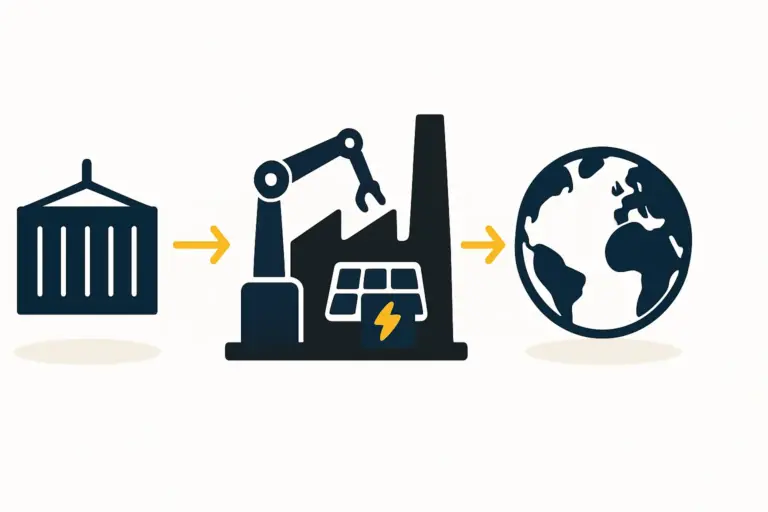
Many entrepreneurs assume a successful manufacturing operation requires direct sea access. The reasoning is simple: raw materials arrive by ship, and finished goods depart the same way.
While a coastal location offers clear advantages, it is not a prerequisite for success. With strategic planning, a landlocked country can become a highly competitive manufacturing hub.
This article examines the logistical framework for a solar module factory in a landlocked nation, using Moldova as a case study. It explores how to manage the flow of materials from global suppliers and deliver finished products to key markets—turning a perceived geographical disadvantage into a strategic asset.
The Geographical Puzzle: Why Location Dictates Logistics
Moldova’s position between Romania and Ukraine presents a unique logistical challenge. Without its own seaports, any solar manufacturing venture depends entirely on the infrastructure of its neighbors for access to global maritime trade routes.
Historically, raw materials from Asia would arrive at ports in either Constanța, Romania, or Odesa and Chornomorsk in Ukraine. From there, goods would travel overland by road or rail into Moldova. The current geopolitical instability has made the Ukrainian route high-risk, making Romania’s Port of Constanța the primary and most reliable gateway for Moldovan industry.
This reliance on a neighboring country’s port demands a robust and meticulously planned supply chain. Every step, from a container ship’s arrival in the Black Sea to the final delivery at a factory near Chișinău, must be managed with precision.

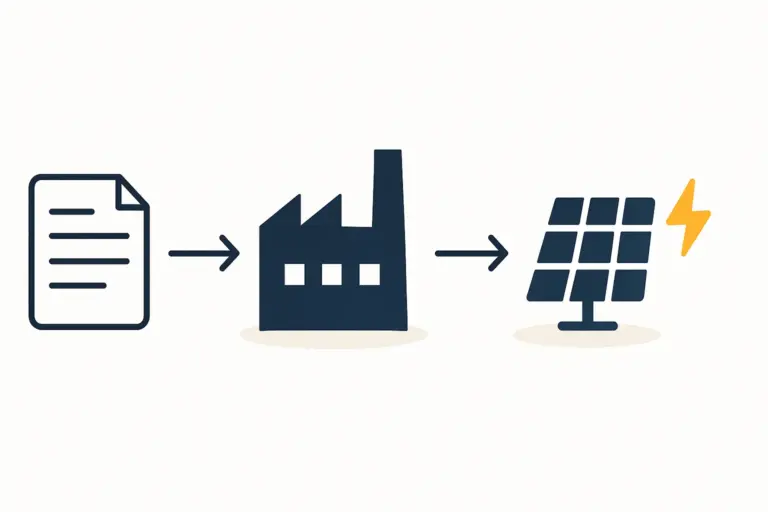
A comprehensive solar module manufacturing business plan must, therefore, treat logistics not as an operational detail but as a central strategic pillar.
Inbound Logistics: Securing the Flow of Raw Materials
A solar module factory requires a consistent supply of specific components. The primary raw materials required for solar panel production—high-transparency glass, aluminum frames, EVA/POE films, and solar cells—are often sourced from leading suppliers in Asia. The journey of these materials to a Moldovan factory is a complex, multi-stage process.
The Port of Constanța: The Gateway to Moldova
The logistical chain begins when container ships carrying these materials arrive at the Port of Constanța. Once offloaded, the containers must be cleared through customs and prepared for the next leg of their journey. This critical juncture is where the choice of inland transport is made.
Leveraging European Market Proximity
A solar factory in Moldova can deliver finished panels to customers in Germany, Poland, Italy, or the Balkans far more quickly than its competitors in Asia. A shipment that might take over a month by sea from China can arrive by truck from Moldova in a matter of days.
This speed-to-market is a powerful competitive differentiator. It allows the factory to respond rapidly to orders, reduce customer inventory requirements, and potentially command a premium for expedited delivery. The DCFTA agreement further enhances this advantage by simplifying trade and reducing tariff barriers with EU member states.
Packaging and Handling Considerations
Because the final products will be transported over long distances by road, robust packaging is essential. Finished solar modules must be securely crated and loaded to prevent vibration damage, micro-cracks, or breakage during transit. This final step is crucial for ensuring product quality and customer satisfaction.
Overcoming Challenges with a Strategic Approach
Operating a successful landlocked factory requires the foresight and planning to turn logistical challenges into manageable processes.
-
Strategic Partnerships: Collaborating with experienced logistics providers who have a strong presence in both Romania and Moldova is vital. These partners can manage port operations, customs brokerage, and inland transportation, providing a seamless door-to-door service.
-
Inventory Management: To mitigate the risk of supply chain disruptions, such as port congestion or border delays, a factory should maintain a buffer stock of essential raw materials. This ensures production can continue uninterrupted even if a shipment is delayed.
-
Integrated Planning: Logistics must be integrated into the business model from the beginning. When designing a turnkey solar manufacturing line, for example, material flow, storage capacity, and shipping bay access are just as important as the production machinery itself. Based on experience from J.v.G. turnkey projects, accounting for these logistical factors early in the planning phase prevents costly retrofits and operational inefficiencies later on.
Frequently Asked Questions (FAQ)
What are the main logistical cost components for a landlocked factory?
The primary costs include sea freight to the entry port, port handling and storage fees, customs duties and taxes, inland transportation (road or rail), and insurance. These costs must be carefully calculated and monitored.
How long does it take to ship materials from Asia to a Moldovan factory?
The total transit time typically ranges from 40 to 60 days. This includes ocean freight from Asia to the Port of Constanța (approx. 30-40 days), followed by port handling, customs, and inland transport to Moldova (approx. 7-20 days, depending on the mode and potential delays).
Is Moldova a viable location for a solar factory despite being landlocked?
Yes. With strategic logistics management, its proximity to the large and growing European solar market provides a significant competitive advantage in delivery speed and responsiveness that can outweigh the complexities of its inbound supply chain.
What customs agreements benefit a Moldovan solar factory?
The Deep and Comprehensive Free Trade Area (DCFTA) between Moldova and the EU is the most important. This agreement reduces or eliminates most tariffs and creates a more predictable and streamlined customs environment for trade with EU member countries.
Conclusion and Next Steps
A landlocked location like Moldova presents undeniable logistical complexities for a solar manufacturer. However, these challenges are not insurmountable. Through meticulous planning, strong logistical partnerships, and a strategic focus on its proximity to the European market, a Moldovan factory can compete effectively on the global stage.
Success is determined not by geography alone, but by the quality of the strategic and operational planning that underpins the entire enterprise. Understanding the intricacies of the supply chain is a foundational first step for any entrepreneur looking to enter this industry.