Many entrepreneurs assume a new manufacturing venture hinges on finding a pre-existing pool of highly specialized labor. However, experience in emerging industrial markets like Moldova tells a different story: the most successful ventures are the ones that create their own experts. The strategic advantage lies not in searching for talent, but in systematically building it.
This article lays out a practical blueprint for sourcing, training, and retaining a skilled local workforce for a solar module production line in Moldova. It outlines how to leverage the country’s educational infrastructure and industrious population to build a capable team from the ground up, turning a perceived challenge into a significant operational strength.
Understanding the Moldovan Labor Landscape: Challenges and Opportunities
A successful team starts with a clear understanding of the local environment. Moldova offers a unique mix of opportunities and considerations for an industrial investor.
Moldova’s high literacy rate of over 99% provides a solid foundation for technical training. The population is often multilingual—with Romanian and Russian widely spoken and a growing proficiency in English among the younger generation—simplifying communication for international management teams.
The country’s strong tradition of vocational and technical education presents a key opportunity. A network of professional schools and technical colleges produces graduates with foundational skills in mechanics and electronics, making them ideal candidates for a structured training program in solar manufacturing.
The primary challenge is outward labor migration, a common factor in the region. This challenge, however, also creates an opportunity. A modern solar factory offering stable employment, competitive wages, and a professional work environment can quickly become an employer of choice. By providing career paths and skills for a future-proof industry, a company can attract and retain the most motivated and capable individuals in the local market.
Sourcing Talent: Where to Find Your Future Workforce
Proactive recruitment is essential. Instead of simply posting job advertisements, a targeted approach will yield higher-quality candidates better suited for the specific demands of solar module production.
Strategic Partnerships with Technical Institutions
The most effective long-term strategy is to build relationships with Moldova’s vocational schools (școli profesionale) and technical colleges (colegii). These institutions are eager to place their graduates in reputable industries.
An investor can collaborate with them to:
- Develop a Talent Pipeline: Establish internship or apprenticeship programs that give students practical experience and allow the company to identify top performers before they graduate.
- Influence Curricula: Offer input to align technical training with the specific skills required on the production line, such as basic electronics, quality control principles, and process automation.
- Host Factory Tours: Invite students and faculty to the facility to showcase the modern, clean, and high-tech nature of solar manufacturing, inspiring them to pursue careers in the sector.
Recruiting from Adjacent Industries
Look for individuals with transferable skills from other manufacturing sectors. Workers from electronics assembly, light industrial production, or even food processing often possess the core competencies required:
- Strong hand-eye coordination
- Attention to detail and process discipline
- Experience working in a structured, shift-based environment
With the right training, these individuals can quickly adapt to the specific processes of a solar production line.
The Core of the Blueprint: A Structured Training Program
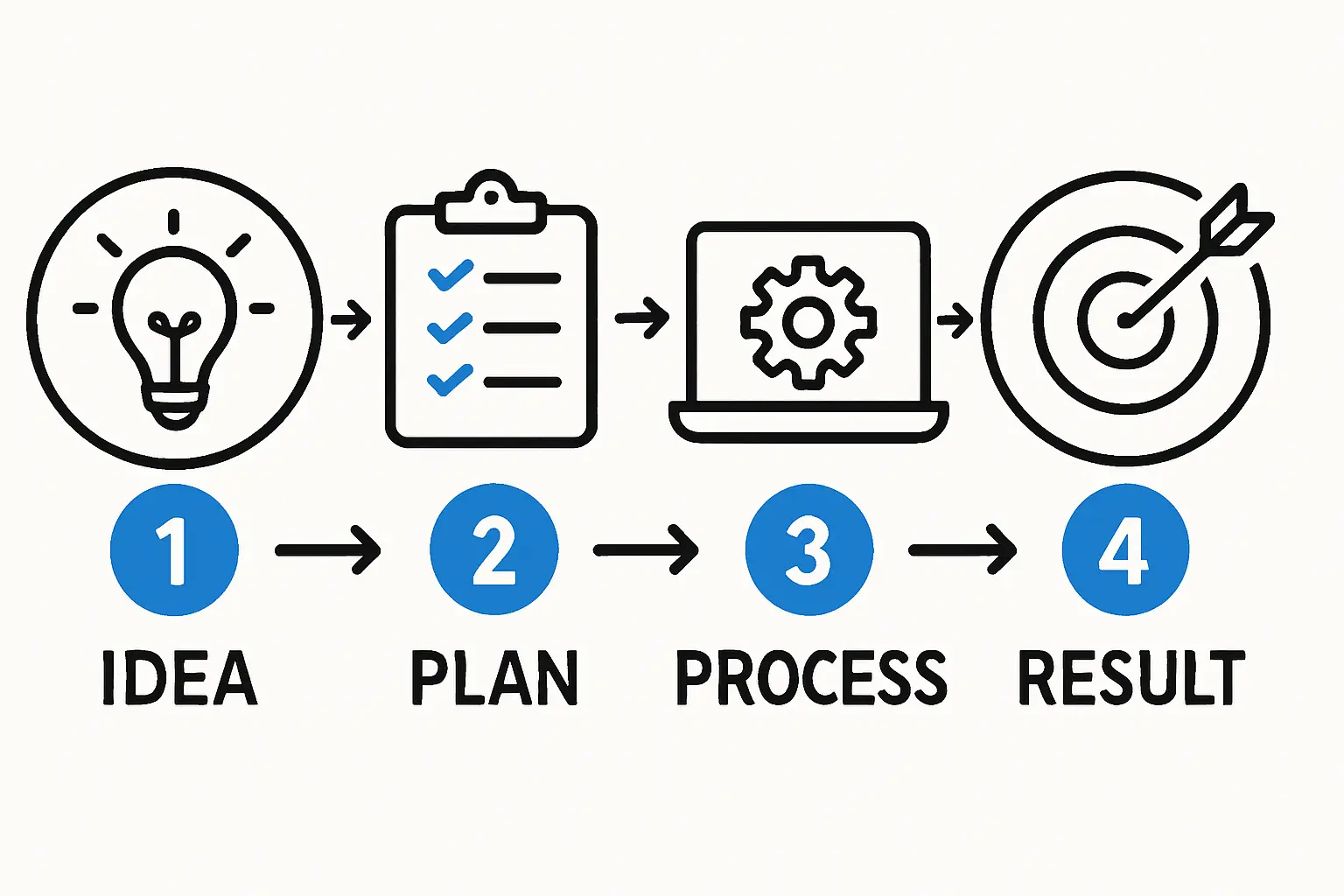
Once candidates are selected, a phased training program is critical for transforming general aptitude into specialized expertise. This structured approach minimizes errors, accelerates the ramp-up to full production, and ensures consistent quality.
Phase 1: Foundational Classroom Training (1-2 Weeks)
This initial phase levels the playing field, ensuring all new hires share a common understanding of the fundamentals, regardless of their prior experience. Key topics include:
- Introduction to Solar Energy: The basic principles of how solar cells and modules work.
- Workplace Safety: Comprehensive training on protocols, emergency procedures, and the correct handling of materials. This is non-negotiable.
- Quality Control Principles: Instilling a ‘quality-first’ mindset from day one, covering concepts like ISO standards and the importance of process adherence.
- Overview of the Solar Panel Manufacturing Process: A step-by-step walk-through of the entire production line, from cell stringing to final testing.
Phase 2: Machine-Specific Operator Training (2-4 Weeks)
Each station on a solar production line requires a distinct set of skills. This phase involves hands-on training for specific roles, such as stringer operator, lay-up technician, laminator operator, or quality inspection specialist. Experience from J.v.G. turnkey projects shows this training is most effective when led by experienced technicians from the equipment supplier or a consultancy partner. This approach establishes best practices from the start.
Phase 3: On-the-Job Shadowing and Supervision (4-8 Weeks)
In this final phase, trainees move to the production line, closely supervised by a trainer or an experienced team lead. They begin by shadowing, then gradually take on more responsibility. This period focuses on:
- Building Consistency and Speed: Achieving the required production pace without compromising quality.
- Problem-Solving: Learning to identify and flag minor deviations in the process.
- Team Integration: Understanding how their role impacts the next station in the line.
Key Roles to Recruit and Train
A typical semi-automated solar factory requires a range of roles, each with a specific focus.
- Production Operators: The largest group of employees, responsible for operating the core machinery. The ideal candidate is detail-oriented and disciplined.
- Quality Control (QC) Technicians: These individuals perform critical checks, including visual inspection and operating electroluminescence (EL) testers. They are essential for ensuring the final product meets international certification standards.
- Maintenance Technicians: Responsible for machine uptime, this role requires a higher level of electromechanical skill. Candidates are often sourced from other industrial maintenance teams and develop a deep understanding of solar panel manufacturing equipment over time.
- Line Supervisors: Often promoted from the most capable production operators, supervisors manage the workflow of a shift, ensure targets are met, and provide ongoing coaching to their teams.
Retention Strategies: Building a Stable and Motivated Team
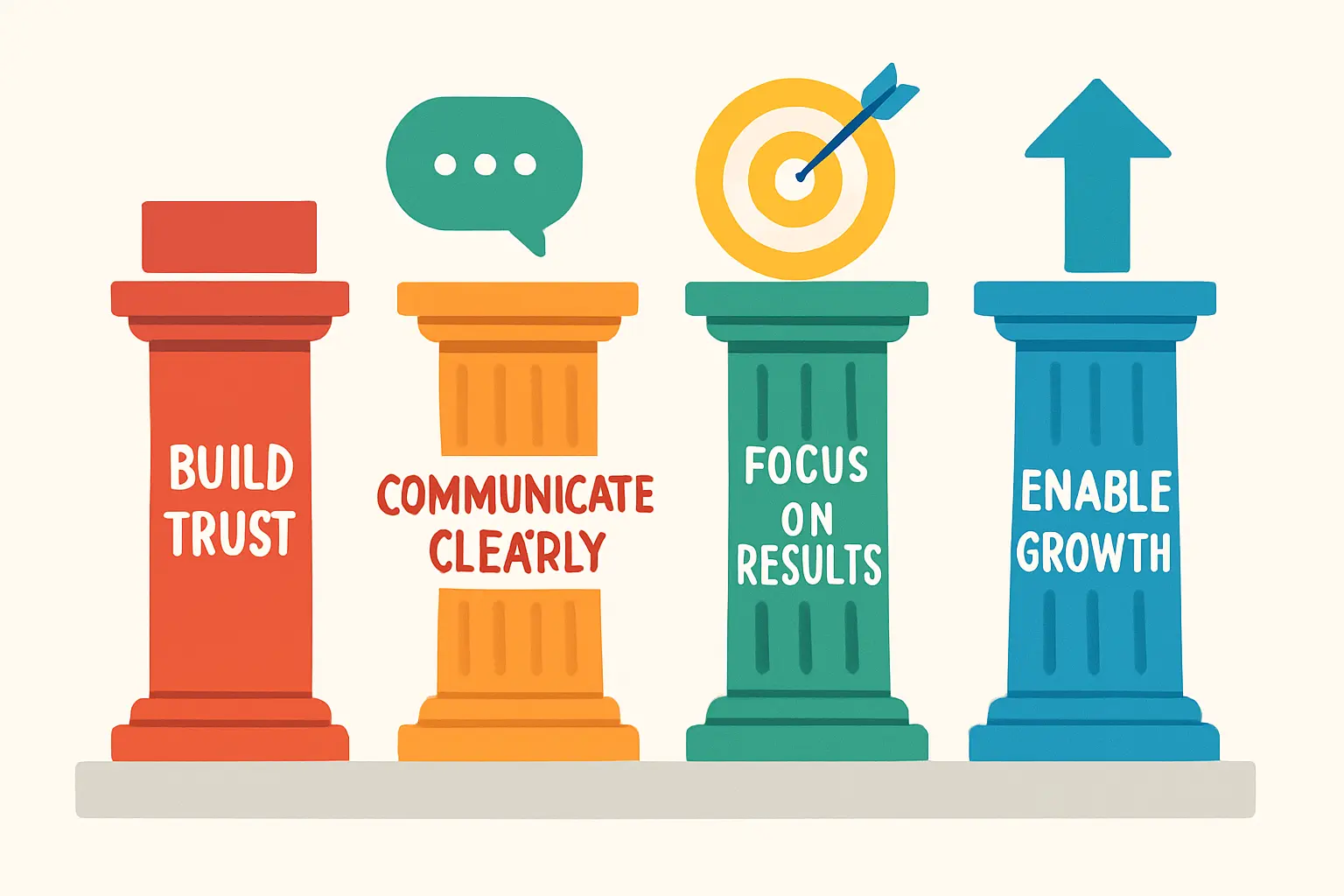
Recruiting and training are only half the battle. Long-term success depends on retaining your skilled workforce.
- Competitive Compensation: Offer a wage and benefits package that positions the company in the upper tier of the local manufacturing market. This directly counters the incentive for skilled workers to seek opportunities abroad.
- Clear Career Paths: Demonstrate that a job as an operator is the first step on a career ladder that can lead to roles in quality control, maintenance, or management.
- A Culture of Respect and Safety: Maintain a clean, safe, and professional work environment where employee contributions are valued.
- Continuous Improvement: Involve the team in identifying opportunities to make the production process safer, faster, or more efficient. This fosters a sense of ownership and engagement.
Frequently Asked Questions (FAQ)
How many employees are needed for a small-scale solar factory?
A typical 20–50 MW semi-automated solar module line requires approximately 25 to 35 employees per shift. This includes production operators, quality control personnel, maintenance technicians, and supervisors.
Do we need to hire experienced solar technicians from abroad?
For most operator roles, it is more cost-effective and sustainable to train local Moldovan talent. For the initial setup and commissioning phase, it is common to have one or two external experts (e.g., a Production Manager or Lead Engineer) to oversee the installation and lead the first wave of training.
What is the typical training duration before a new employee is fully productive?
Following a structured program like the one outlined above, a new operator can become proficient at a specific station within 8 to 12 weeks. The entire production line typically reaches its target efficiency and output within 3 to 6 months as the team perfects its coordination.
What language should the training materials be in?
To ensure clarity and safety, all primary training materials, machine interfaces, and safety protocols must be in Romanian. Providing key management documents in Russian and/or English is also advisable to accommodate Moldova’s multilingual business environment.
Conclusion
Building a capable workforce in Moldova is not just manageable—it is a highly rewarding process. By focusing on a systematic approach to recruitment, developing a robust, multi-phased training program, and creating an environment that retains talent, an investor can build a world-class manufacturing team. This human capital becomes the foundation of the factory’s long-term success and profitability.
Understanding the human element is critical to project planning. The next logical step is to analyze the investment required for a solar panel factory, which provides a comprehensive framework for budgeting your entire venture.