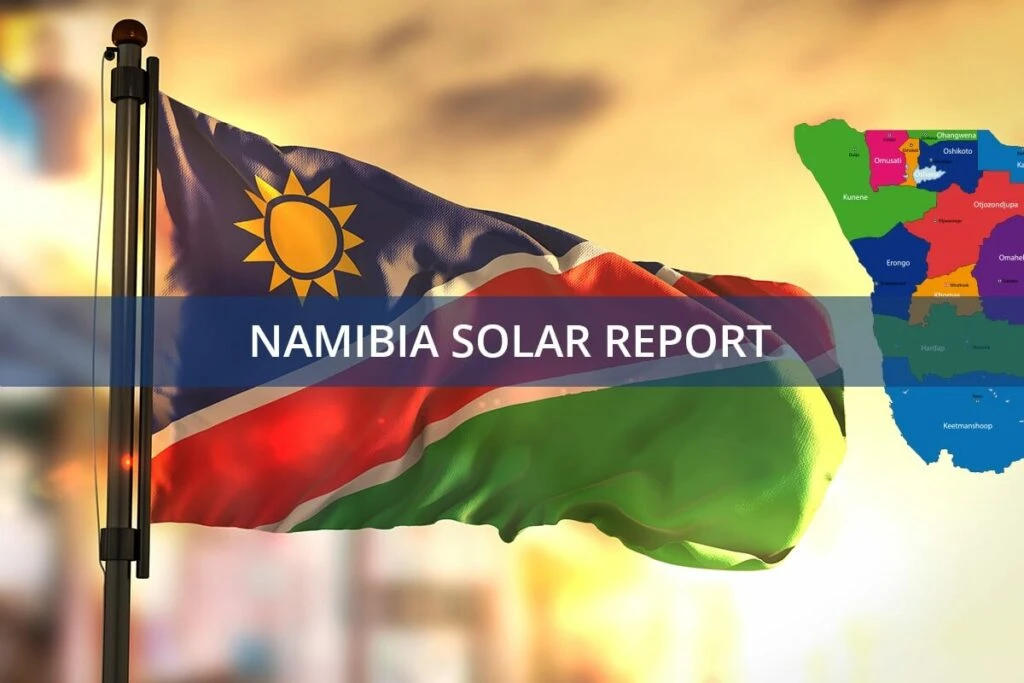
Namibia has one of the highest solar irradiation levels in the world, receiving up to 2,400 kWh/m² of solar energy annually. This immense natural resource presents a significant opportunity for energy generation. However, deploying standard solar modules—often designed for moderate European climates—in such a demanding environment is a critical challenge. The very conditions that make Namibia ideal for solar power can cause conventional modules to underperform and fail prematurely.
This situation creates a distinct market gap, and a strategic opening, for local manufacturers who can produce solar modules specifically engineered to thrive in arid, high-UV conditions.

The Challenge: Why Standard Solar Modules Underperform in Arid Regions
Most commercially available solar modules are optimized for temperate climates with moderate sunlight, humidity, and temperature ranges. When these same modules are installed in an arid environment like Namibia’s, they face a combination of stress factors that accelerate their degradation.
Research shows the operational lifespan of standard solar modules can shrink from a projected 25+ years to as little as 10–15 years in such harsh conditions. The primary causes of this accelerated aging include:
-
High UV Radiation: Intense, prolonged exposure to ultraviolet radiation degrades the encapsulant materials within the module (typically Ethylene Vinyl Acetate, or EVA), causing them to yellow. This reduces light transmission to the solar cells and lowers energy output.
-
Extreme Temperature Fluctuations: The significant difference between daytime heat and nighttime cold creates mechanical stress. This thermal cycling can lead to micro-cracks in solar cells and the gradual separation of layers within the module, a process known as delamination.
-
Abrasive Sand and Dust: Windblown sand erodes the front surface of a solar module, reducing its transparency. Fine dust can also accumulate, blocking sunlight and trapping moisture, which accelerates material decay.
-
Potential-Induced Degradation (PID): High temperatures and humidity, even if intermittent, can exacerbate PID, an effect that severely reduces a module’s power output over time.
These combined factors mean that relying on imported, non-optimized modules poses a long-term risk for solar project developers and investors in the region.
A Strategic Advantage for Local Manufacturing
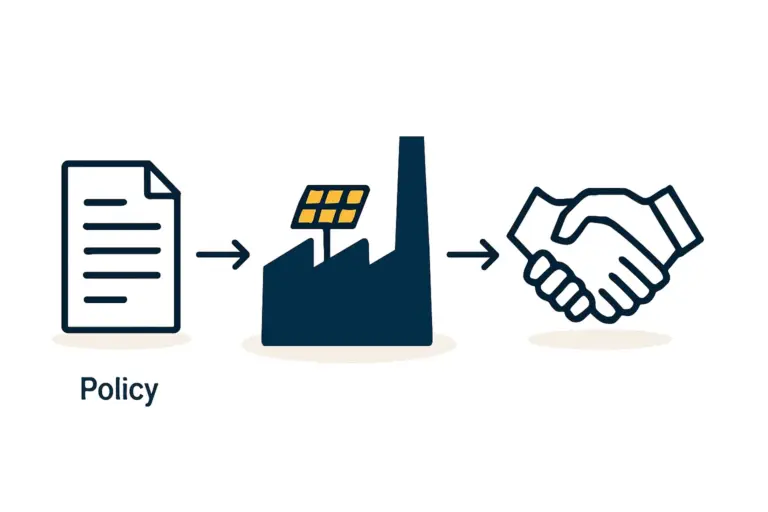
This performance gap left by standard modules creates a clear opportunity. A local entrepreneur with a strategic plan for solar module production can build a powerful competitive advantage by producing modules specifically designed for the Namibian climate.
Rather than competing solely on price with large-volume international manufacturers, a local factory can differentiate itself on quality, longevity, and performance reliability. This builds a reputation as the provider of choice for high-value utility-scale and commercial projects where long-term energy yield and durability are paramount.
Engineering for Durability: The DESERT+ Technology Specification
Addressing the unique challenges of arid climates requires a specialized bill of materials and design approach. J.v.G. Technology’s DESERT+ is a technical specification developed over decades of experience for modules designed to withstand these exact conditions, focusing on enhancing three critical areas of the module.
1. UV-Resistant Encapsulants: POE vs. EVA
The encapsulant is the polymer material that surrounds the solar cells, bonding the glass, cells, and backsheet together. While standard modules often use EVA, the DESERT+ specification calls for POE (Polyolefin Elastomer). POE offers superior resistance to UV radiation, preventing the yellowing and loss of transparency that plagues EVA over time. It also has lower water vapor transmission rates, which significantly reduces the risk of delamination and PID. While the overall manufacturing process is similar, this material choice is fundamental to long-term stability.
2. Abrasion-Resistant Surfaces
To counter the effects of windblown sand, the module’s front glass is treated with an anti-reflective, abrasion-resistant coating. This thin, hard layer protects the glass surface from microscopic scratches, ensuring that maximum sunlight reaches the solar cells throughout the module’s lifetime.
3. Advanced Backsheet and Module Construction
The backsheet protects the rear of the module from the elements. A DESERT+ module uses a reinforced, multi-layer backsheet with high thermal conductivity, a design that allows the module to dissipate heat more effectively, keeping the cells cooler and operating more efficiently. For maximum durability, a glass-glass construction can replace the polymer backsheet entirely with a second pane of glass, offering superior protection against moisture and mechanical stress.
The Business Case: Analyzing the Long-Term Financial Benefits
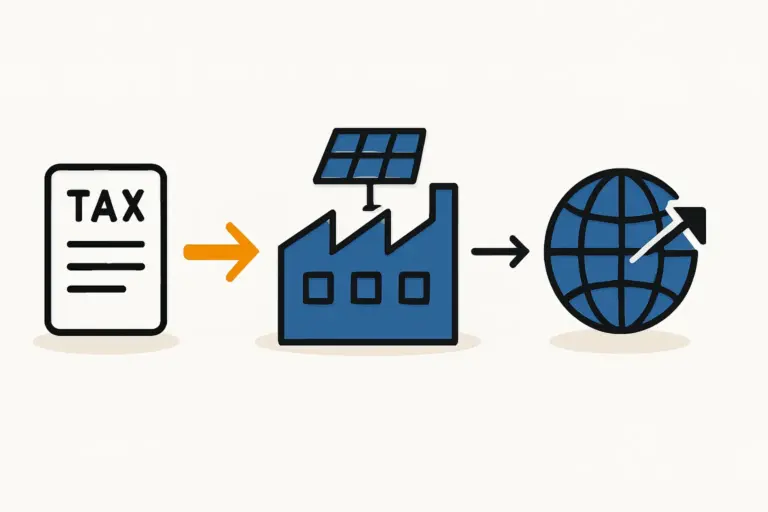
Modules built to the DESERT+ specification may have a 5–8% higher initial production cost due to premium materials. However, this modest upfront investment yields substantial long-term financial returns.
The key metric for any power plant is the Levelized Cost of Energy (LCOE)—the total lifetime cost of the plant divided by its total lifetime energy production. Because DESERT+ modules degrade slower and produce more energy over their lifespan, they result in a significantly lower LCOE.
This combination of extended lifespan and higher energy yield creates a compelling value proposition for project developers and financiers, making locally produced, climate-optimized modules a more financially sound investment over the long term.

Establishing a turnkey solar manufacturing line configured to produce modules with these specifications allows a new market entrant to offer a technologically superior product tailored to the most significant projects in the region.
Frequently Asked Questions (FAQ)
Is it significantly more complex to manufacture DESERT+ modules?
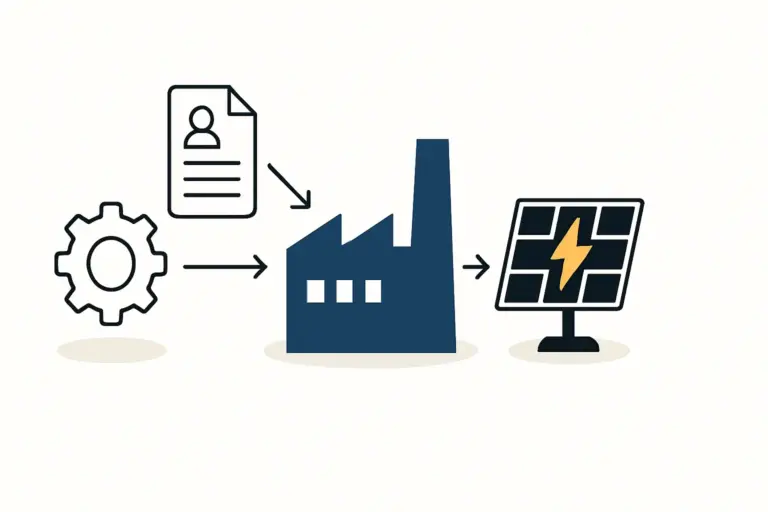
The core manufacturing process remains largely the same. The primary difference lies in the careful selection of materials (the bill of materials) and the calibration of machinery, such as the laminator, to work with materials like POE. These are process adjustments rather than a complete technological overhaul.
What is the typical factory size needed to produce these modules?
A profitable entry into the market typically starts with a 20 MW to 50 MW annual production capacity. This size is sufficient to supply several large-scale local projects per year and can be staffed by a team of approximately 25–30 employees once fully operational.
Can modules built to these specifications be certified to international standards?
Yes. These modules can and should be certified according to IEC and other international standards. In fact, their enhanced durability and resistance to known failure modes like PID are strong positive factors during the certification process and for securing project financing.
How does this affect the factory’s supply chain?
It requires establishing relationships with suppliers for specialized materials like POE encapsulants and high-quality, UV-stable backsheets. Based on experience from J.v.G. turnkey projects, creating a resilient supply chain for these key components is a critical part of the initial factory planning phase.
Next Steps: From Concept to Production
The challenge of module degradation in arid climates is not a barrier but a business opportunity. By focusing on manufacturing a superior product engineered for local conditions, a Namibian solar module factory can establish itself as a market leader, insulated from the price-driven competition of standard, imported modules.
This approach requires careful planning, a solid understanding of the technology, and a clear business strategy. Building a durable, high-performance solar module is the first step toward building a durable, high-performance business.