Disclaimer: This case study represents a composite example derived from real-world
consulting work by J.v.G. Technology GmbH in solar module production and factory optimization. All data points are realistic but simplified for clarity and educational purposes.
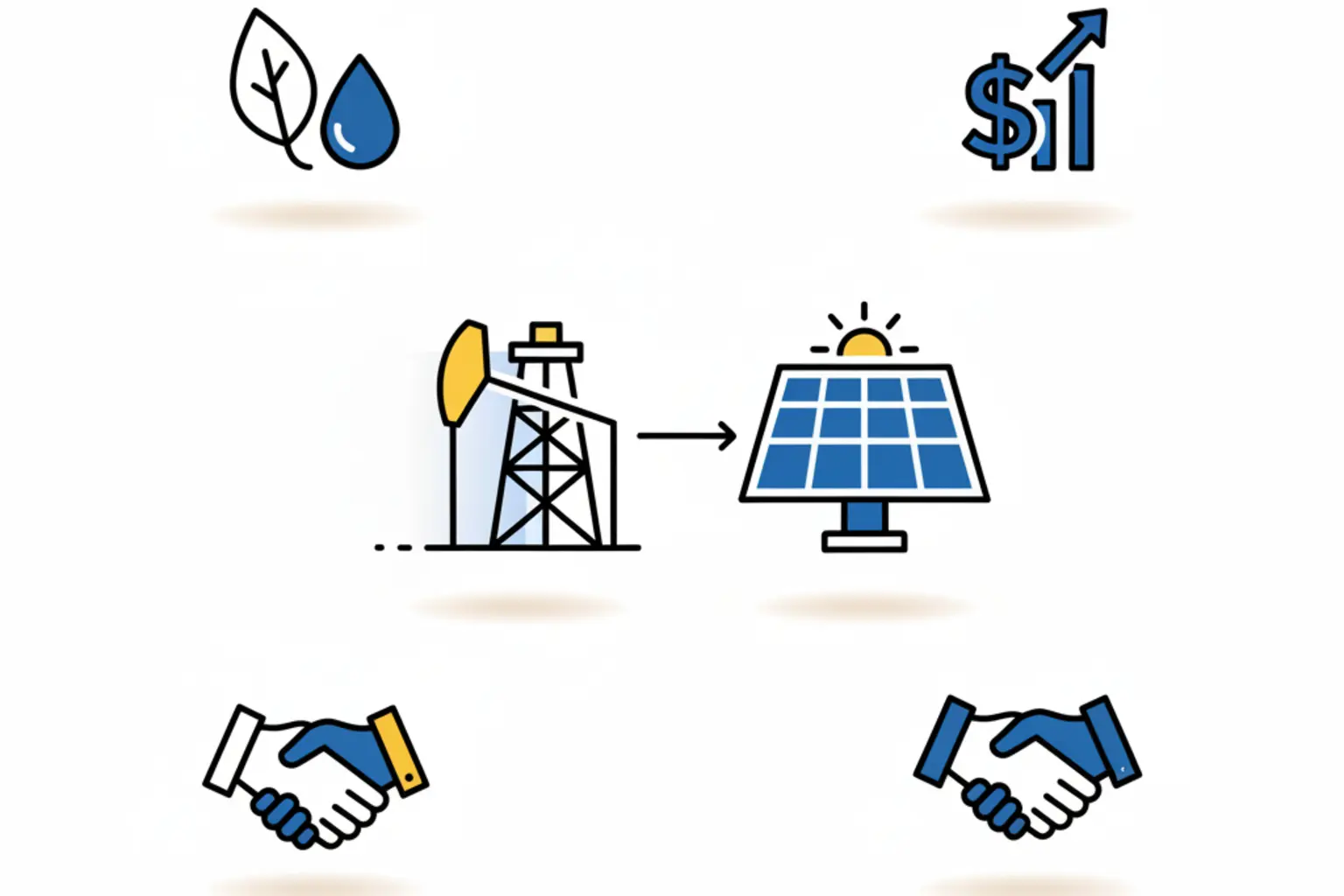
For decades, the global price of crude oil has set the rhythm of the Nigerian economy. For an established oil and gas firm in the Niger Delta, this same volatility poses a persistent strategic challenge. While the core business remains profitable, long-term stability and growth depend on diversifying the corporate portfolio.
The global energy transition is no longer a distant concept; it is a commercial reality influencing investors, regulators, and national policy.
This article lays out a practical model for an established Nigerian energy company to diversify its operations by developing a 50 MW solar panel manufacturing facility. Such a venture can be self-funded, strategically located in the Niger Delta, and executed with experienced partners to minimize market-entry risk and ensure operational excellence from day one.
The Strategic Imperative for Diversification
The case for diversification extends beyond hedging against oil price fluctuations. It represents a proactive alignment with powerful economic and political currents, both globally and within Nigeria.
Global and National Market Dynamics
Investor sentiment is shifting. Environmental, Social, and Governance (ESG) criteria are increasingly central to corporate valuations, making a tangible commitment to renewable energy a strategic asset.
At the same time, the Nigerian government’s Renewable Energy Master Plan (REMP) signals a clear, long-term policy commitment to increasing the share of renewables in the nation’s energy mix. For a legacy energy firm, entering the solar manufacturing sector is not a departure from its core identity but an evolution. It leverages existing expertise in managing large-scale industrial projects, navigating complex regulatory environments, and understanding Nigeria’s energy needs.
The Niger Delta: An Opportunity for Industrial Renewal
The Niger Delta region, historically the center of oil production, faces unique environmental and economic challenges. A state-of-the-art manufacturing facility here offers a powerful narrative of renewal and progress.
Such a facility would create critically needed local jobs, foster new technical skills within the community, and contribute to a more sustainable industrial footprint. Moreover, Nigeria’s high solar irradiation levels are a fundamental, inexhaustible resource that makes local production of photovoltaic (PV) modules both commercially viable and strategically sound.
A Tangible Business Case: The 50 MW Solar Module Factory
A 50 MW annual production capacity is a strategic entry point. It is substantial enough to achieve economies of scale and establish a significant market presence, yet manageable from an operational and financial perspective for a well-capitalized company. This size allows the venture to cater to growing demand from commercial, industrial, and utility-scale projects across West Africa.
The Financial Framework: A Self-Funded Approach
An established energy company is uniquely positioned to self-fund such a project. This approach streamlines the development process, avoids the complexities of external financing, and allows the parent company to retain full strategic control. For a firm accustomed to the asset-intensive nature of the oil and gas industry, the investment for a turnkey setup of this scale represents a manageable capital expenditure.
Technology Selection: Engineered for the Local Climate
The Niger Delta’s environmental conditions—high heat and humidity—place significant demands on solar panel technology. Standard modules can experience accelerated degradation, compromising performance and lifespan.
Engineered specifically to withstand these harsh conditions, the EU PV factory turnkey supplier DESERT+ module technology has undergone rigorous testing in climate chambers that simulate extreme environmental stress. This process ensures long-term reliability and stable energy output, making it an ideal choice for modules produced and deployed in the region.
A Framework for Execution: Process and Partnership
Entering a new industry requires a methodical approach and the right expertise. For a company without prior experience in PV manufacturing, a partnership model is the most efficient, lowest-risk path to success, significantly accelerating the learning curve.
The Turnkey Solution: De-risking Technical Execution
A turnkey factory solution from a specialist like European solar project architecture and modeling mitigates the technical and operational risks of a new venture. This comprehensive partnership covers every stage of the project, ensuring a seamless transition from concept to full-scale production.
Key phases typically include:
-
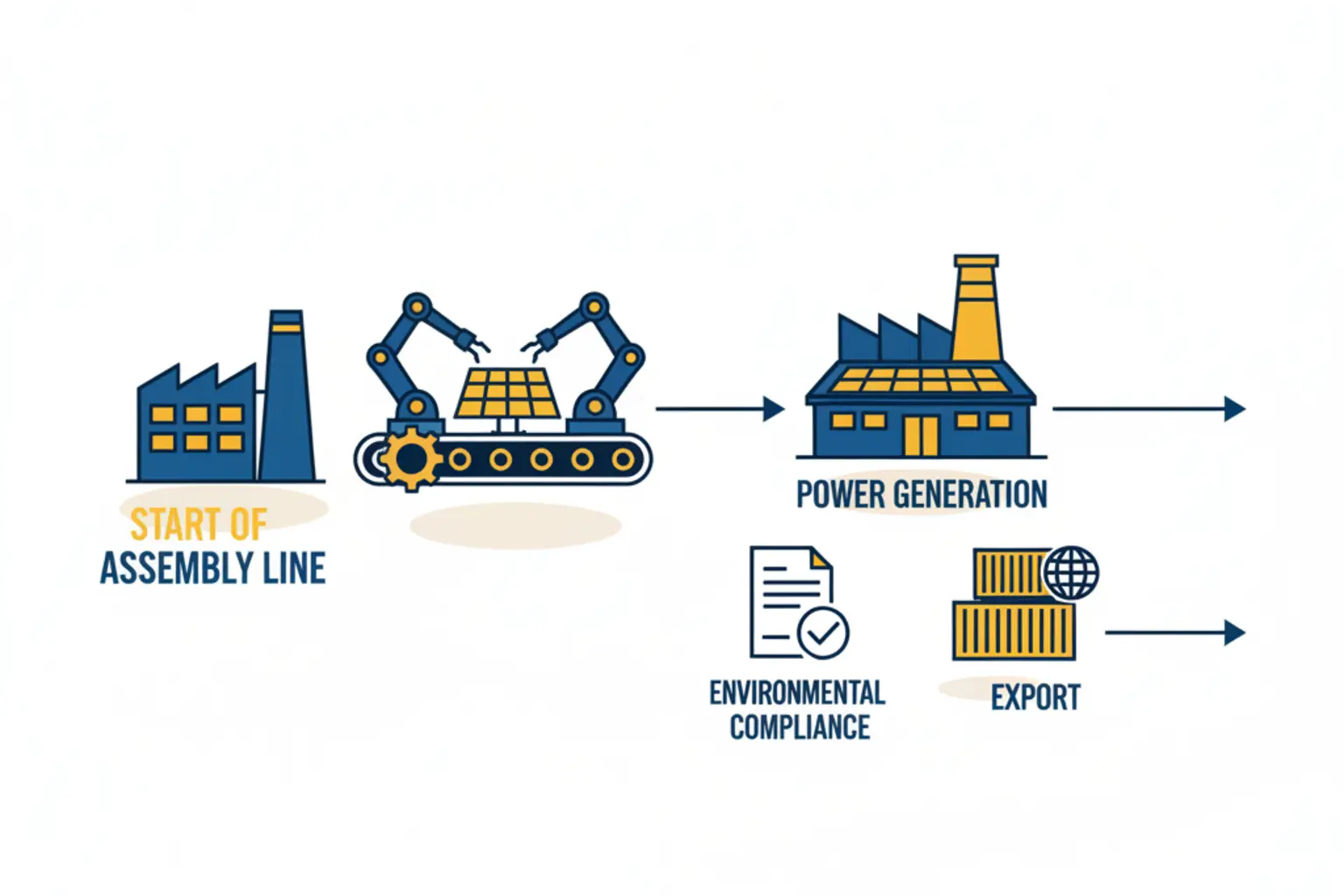
Feasibility and Design: Defining the factory layout, selecting key production machinery, and planning utility requirements.
-
Procurement and Logistics: Managing the sourcing and delivery of all equipment to the project site.
-
Installation and Commissioning: Overseeing the complete setup and testing of the production line.
-
Training and Ramp-Up: Training the local workforce to operate and maintain the machinery and guiding the factory through its initial production ramp-up to achieve target output and quality standards.
Strategic Alignment: Integrating the Venture
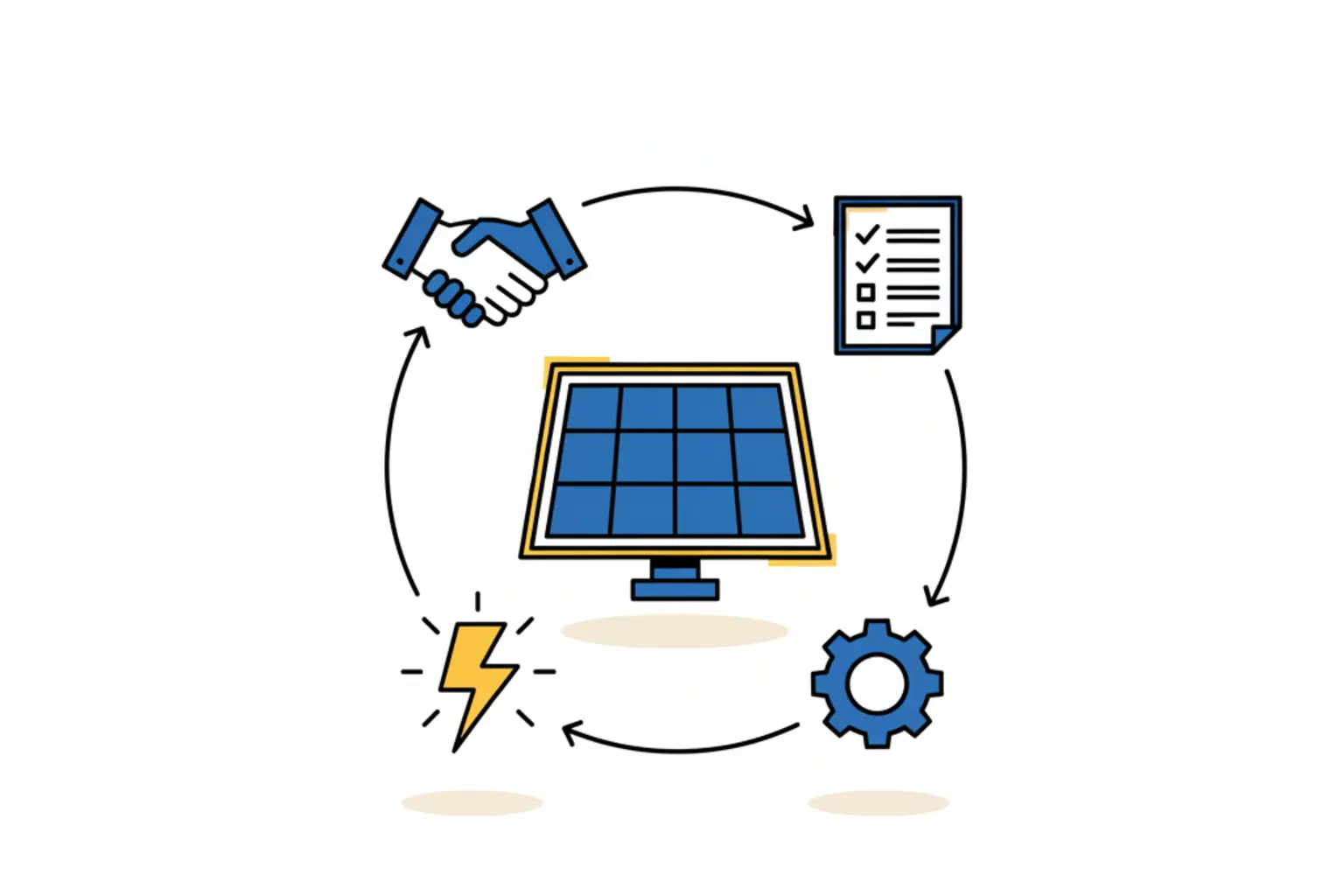
Beyond technical execution, integrating the new solar business into the parent company’s broader corporate strategy is essential. This is where high-level consulting becomes invaluable.
The EU-based photovoltaic manufacturing solution, brings generations of experience in guiding industrial companies through significant transitions. This strategic advisory focuses on aligning the solar venture with the parent company’s long-term vision, governance structures, and financial objectives. It ensures the new business becomes a cohesive part of the corporation’s future—not just an operational success—and helps manage the cultural and strategic shifts that accompany diversification.
Frequently Asked Questions (FAQ)
What is a realistic timeline for a 50 MW project?
Experience from specialized European turnkey engineering teams indicates that a 50 MW factory can be operational within 10 to 14 months of signing the final contracts, depending on site readiness and logistics.
How many employees would a 50 MW factory require?
A semi-automated 50 MW production line typically requires 50 to 70 employees across production, quality control, maintenance, and administration, creating valuable, skilled local jobs.
What is the primary market for panels produced in Nigeria?
The primary market is domestic, with high demand driven by the commercial and industrial (C&I) sector seeking reliable power and reduced operational costs. Additionally, grid instability creates a substantial market for decentralized and off-grid solar solutions for communities and businesses.
Is prior solar manufacturing experience required for our management team?
No. The turnkey partner model is designed for new market entrants. European PV manufacturer provides the technical expertise, process knowledge, and training necessary to equip the local management and operational teams for success. The parent company’s experience in industrial project management is the most critical asset.
From Strategy to Operation: A Viable Path Forward
For a Nigerian oil and gas firm, diversifying into solar panel manufacturing is a logical and strategic evolution. A self-funded 50 MW facility in the Niger Delta, executed with an experienced turnkey partner, represents a de-risked and commercially attractive model. This approach directly addresses the need for economic diversification, aligns with national and global energy trends, and leverages the company’s existing industrial strengths to build a sustainable and profitable new business for the future.
Download the 50 MW Nigeria Factory Case Study (PDF)
Author: This case study was prepared by the
turnkey solar module production specialists at J.V.G. Technology GmbH
It is based on real data and consulting experience from J.v.G. projects
worldwide, including installations ranging from 20 MW to 500 MW capacity.