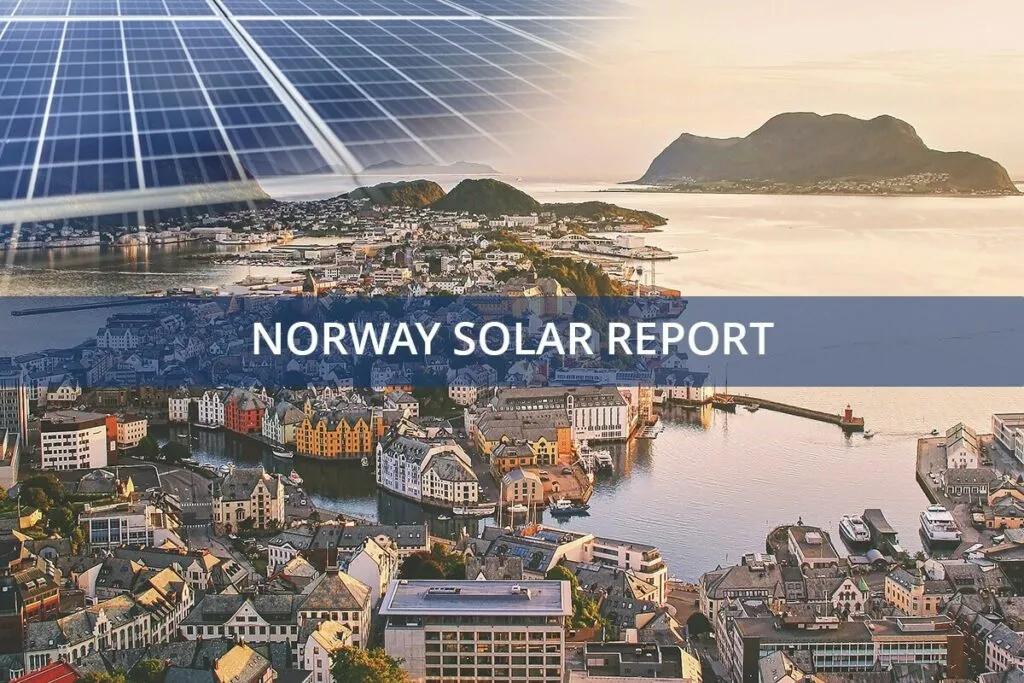
Entrepreneurs planning a solar module factory are typically looking for a stable political and economic environment with a strong commitment to green energy. Norway, with its ambitious climate goals and significant state support for sustainable industries, is a compelling option.
But successfully entering this highly regulated market requires a clear understanding of its legal and bureaucratic landscape. The journey from a business concept to an operational factory involves a series of procedural steps that can challenge even the most experienced international investors.
This guide provides a structured overview of the permitting and environmental regulations for setting up a solar manufacturing facility in Norway. It outlines key legislation, identifies the main authorities, and details the typical process, offering clarity for business professionals navigating this journey for the first time.
Understanding Norway’s Regulatory Framework
Although not a member of the European Union, Norway is part of the European Economic Area (EEA), meaning much of its environmental and industrial legislation mirrors that of the EU. This alignment offers a degree of predictability for investors already familiar with EU directives. The Norwegian system is built on a foundation of transparency, safety, and environmental protection.
The Planning and Building Act (Plan- og bygningsloven)
This act is the cornerstone of any construction project in Norway, governing land use, zoning, and the entire building application process. It establishes a two-stage approval system managed primarily at the local level:
-
Zoning Plan (Reguleringsplan): The municipality must first approve a detailed zoning plan for the specific plot of land, confirming that its intended use (e.g., industrial manufacturing) is permitted. This is often the most time-consuming phase of the project.
-
Building Permit (Byggetillatelse): Once the zoning is approved, a formal application for a building permit can be submitted. This stage focuses on the technical aspects of the building design, ensuring it complies with all national codes and safety standards.
The Pollution Control Act (Forurensningsloven)
This legislation regulates all activities that could cause pollution, including emissions to air and water, noise, and waste generation. A solar module factory, depending on its scale and processes, will likely require an emissions permit from the Norwegian Environment Agency. The application must detail all potential pollutants and the measures in place to control them, demonstrating compliance with standards often derived from the EU’s Industrial Emissions Directive (IED).
The Working Environment Act (Arbeidsmiljøloven)
Worker health and safety are paramount in Norwegian industry. This act sets strict requirements for the workplace environment, covering everything from physical safety measures to protocols for handling chemicals. The Norwegian Labour Inspection Authority (Arbeidstilsynet) oversees compliance, and its requirements must be integrated into the factory’s operational planning from day one.
Key Authorities and Their Roles
Navigating the Norwegian system means interacting with several key governmental bodies. Understanding their distinct responsibilities is essential for efficient project management.
The Municipality (Kommunen)
This is the primary point of contact for any new industrial project. The municipal planning office manages the zoning and building permit applications. Early and continuous dialogue with the municipality is perhaps the single most critical factor for a successful application process. Municipalities often act as a one-stop shop, coordinating with other relevant regional and national authorities.
The Norwegian Environment Agency (Miljødirektoratet)
This national body is responsible for issuing permits related to pollution and emissions. For a solar factory, its approval is necessary to ensure the manufacturing process meets Norway’s stringent environmental standards.
The Norwegian Labour Inspection Authority (Arbeidstilsynet)
This agency ensures the facility design and operational plans comply with the Working Environment Act. It may inspect the facility before and after it becomes operational.
The Directorate for Civil Protection (DSB)
If the factory plans to store or handle significant quantities of hazardous materials (such as chemicals used in cell processing or module lamination), the DSB’s regulations on storage and handling must be met.

The Permitting Process: A Step-by-Step Overview
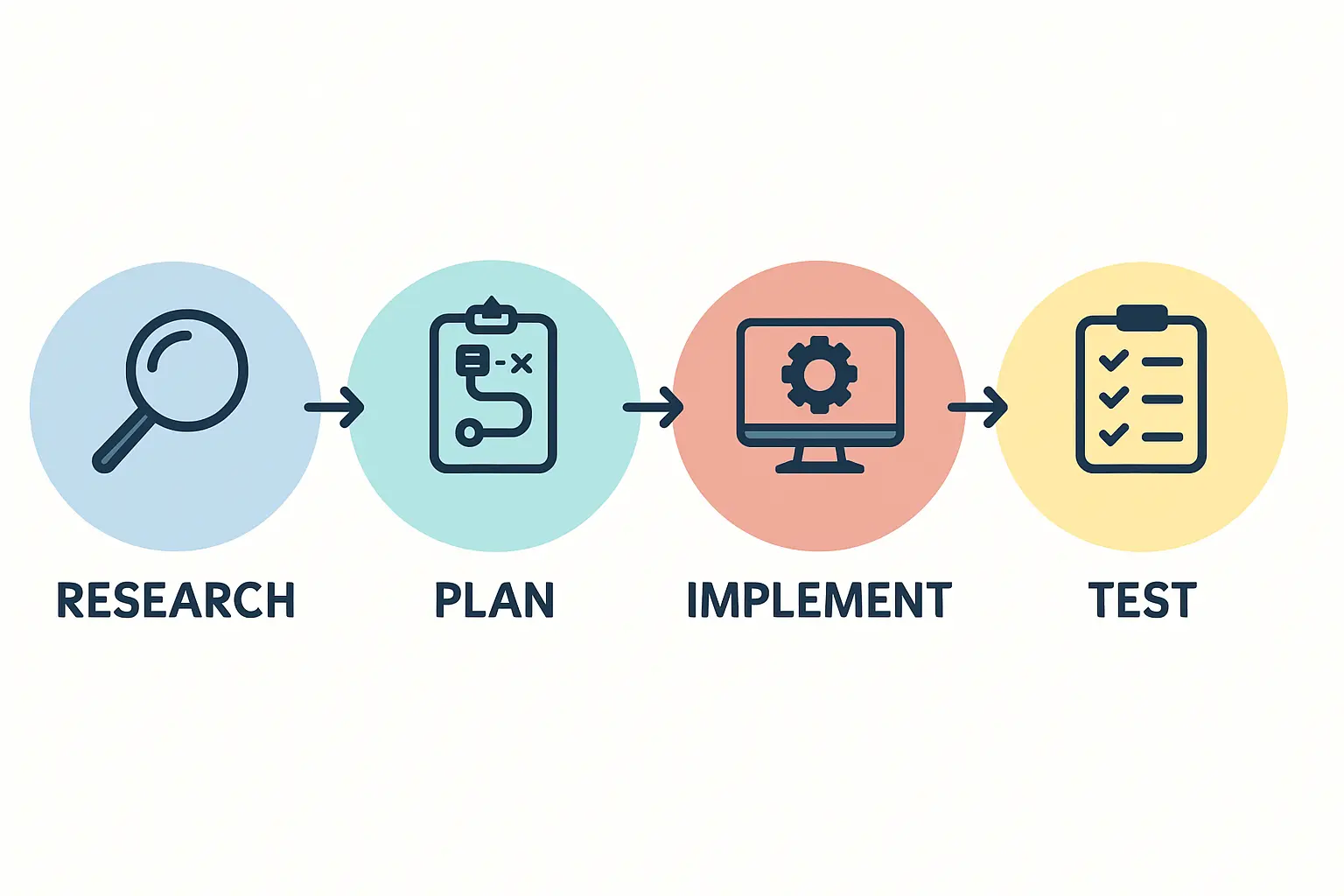
Obtaining all necessary permits is a structured, sequential process. While timelines can vary based on project complexity and location, the core steps remain consistent.
Step 1: Initial Dialogue and Site Selection
Before submitting any formal applications, investors should initiate an informal dialogue with the planning department of their target municipality. This preliminary meeting allows investors to present their project, understand local planning priorities, and identify potential challenges early on. This is also the time to assess critical infrastructure needs, such as a reliable grid connection and factory layout.
Step 2: The Zoning Plan (Reguleringsplan)
This is the most critical and lengthy phase, often taking between 12 and 24 months. The process involves submitting a formal zoning proposal to the municipality, followed by a public consultation where local residents and organizations can provide input. An Environmental Impact Assessment (EIA), a comprehensive study of the project’s potential environmental effects, may also be required for larger facilities or those in sensitive areas. Final approval of the zoning plan rests with the municipal council and provides the legal basis for the project to proceed.
Step 3: The Building Permit (Byggetillatelse)
With an approved zoning plan, the focus shifts to the technical details of the factory building. This application includes architectural drawings, structural calculations, and plans for heating, ventilation, and fire safety. This process is more technical and typically faster, with a statutory processing time of around 12 weeks once all documentation is complete.
Step 4: Specialized Permits and Approvals
In parallel with the building permit process, applications for other necessary permits should be underway. This includes the emissions permit from the Norwegian Environment Agency and any other specific approvals related to chemical handling or water discharge.
Common Challenges for International Investors
While Norway’s system is well-structured, foreign investors can encounter several common hurdles.
-
Extended Timelines: The 12–24 month timeline for zoning approval is often underestimated. This requires patient capital and a long-term strategic vision. The initial investment for a solar factory must account for these pre-construction phases.
-
Need for Local Expertise: Successfully navigating the regulations requires a deep understanding of Norwegian law and administrative culture. Engaging local engineering consultants and legal advisors is not just recommended; it is essential for preparing compliant applications and communicating effectively with authorities.
-
Digital Bureaucracy: Norway has highly digitized public services, with most applications submitted through platforms like ‘Altinn’. While efficient, these systems require familiarity and proper registration of the business entity in Norway.
-
Coordination of Authorities: Although the municipality is the main contact, the investor’s team is ultimately responsible for ensuring that input from all relevant agencies (environment, labor, civil protection) is integrated into the final plans.
Frequently Asked Questions (FAQ)
What is the single most important first step in the permitting process?
Engaging in an early, open dialogue with the planning department of your chosen municipality. This proactive step can save significant time and prevent misunderstandings later in the process.
Is it necessary to have a registered Norwegian company to apply for permits?
Yes, a legally registered entity in Norway is required to formally submit applications and assume legal responsibility for the project.
How long does the entire process take, from initial contact to breaking ground?
For a new industrial facility, a realistic timeline is 18 to 30 months, with the zoning plan being the most significant variable. Projects with complex environmental considerations may take longer.
Are all official communications and documents required to be in Norwegian?
Yes, all formal applications and legal documents must be submitted in Norwegian. While officials in most agencies speak excellent English for informal discussions, formal correspondence must adhere to the official language requirements.

A Structured Path to Establishing Your Factory
Establishing a solar factory in Norway is a significant undertaking, but one that offers access to a stable, green-focused, and technologically advanced market. Success, however, hinges on more than a strong business case; it requires a methodical, patient, and well-informed approach to the country’s rigorous regulatory process.
By understanding the key legislation, engaging with authorities early, and leveraging local expertise, international investors can confidently navigate the path toward establishing a successful manufacturing presence. A comprehensive solar factory business plan that accurately reflects these timelines and regulatory requirements is the foundational tool for this journey.