Establishing a solar module factory in an environment as pristine as Palau presents both a unique opportunity and a profound responsibility. While the solar panel itself is a symbol of clean energy, the manufacturing process generates by-products. For any entrepreneur considering this venture, a critical question arises: How do we manage factory waste responsibly in an ecosystem where every resource is precious?
This is no minor detail; the answer is central to the operation’s long-term success and its social license to operate. In a nation celebrated for its world-class marine sanctuaries and commitment to conservation, environmental stewardship is not just a regulatory hurdle but a core business principle. This guide outlines the primary waste streams from a solar module factory and provides a framework for managing them in line with local standards and international best practices.
Understanding Palau’s Environmental Context
Operating in a Small Island Developing State (SIDS) like Palau is fundamentally different from doing so in a large industrial economy. Landfill space is extremely limited and precious. The local ecosystem, particularly the coral reefs and marine life, is highly sensitive to pollution. Palau’s environmental regulations are therefore designed for maximum protection.
A successful solar module manufacturing business must build these realities into its core operational plan. Proactive waste management is not an optional add-on but a prerequisite for obtaining permits, maintaining good community relations, and building a sustainable enterprise.
Key Waste Streams in Solar Module Production
A modern, well-managed solar module factory is a clean environment, but like any manufacturing process, it produces waste. The first step toward effective management is understanding the materials involved. Waste can be broadly categorized as non-hazardous and potentially hazardous.
Non-Hazardous Production Waste
This category makes up the vast majority of waste by volume from a typical assembly line.
-
Broken Solar Cells: Because silicon solar cells are thin and brittle, a small percentage inevitably breaks during automated stringing and handling. Silicon itself is non-toxic and is the second most abundant element in the Earth’s crust.
-
EVA and Backsheet Trim: During lamination, sheets of Ethylene Vinyl Acetate (EVA) and polymer backsheet are trimmed to fit the module size. These plastic-based off-cuts are a significant source of waste.
-
Glass Cullet: Tempered glass is robust, but occasional breakage occurs, creating small glass fragments, or cullet.
-
Packaging Materials: Raw materials arrive in cardboard boxes, on wooden pallets, and wrapped in plastic. These materials must be managed after unpacking.
Potentially Hazardous Materials
While modern manufacturing lines are designed to minimize their use, some substances require special handling.
-
Soldering Flux and Residues: Soldering the interconnecting ribbons to solar cells uses flux, which can leave residues that require cleanup.
-
Cleaning Solvents: Alcohols, such as isopropyl alcohol, are used for cleaning glass and components before lamination.
-
Machine Lubricants: Oils and greases used for maintaining factory equipment require proper disposal when changed.
Experience from J.v.G. turnkey projects shows that a facility with robust process controls and modern equipment significantly reduces the volume of these materials, simplifying their management.
A Framework for Waste Management in an Island Nation
The logistical constraints of an island nation require a disciplined approach to waste. The classic “Reduce, Reuse, Recycle” hierarchy provides a practical framework.
1. Reduce: The First and Most Important Step
Minimizing waste at the source is the most cost-effective and environmentally sound strategy.
-
Process Optimization: Investing in high-quality, well-calibrated automated machinery reduces solar cell breakage. Even a one-percent reduction in breakage can save thousands of cells from becoming waste over a year.
-
Supplier Agreements: Work with suppliers to minimize packaging or use returnable containers for raw materials.
-
Employee Training: A well-trained team that understands proper material handling is crucial for minimizing accidental breakage and scrap. This makes effective quality control procedures central to reducing waste.
2. Reuse: Finding Local Value
Before classifying any item as waste, consider its potential for a second life.
-
Pallets and Crates: Wooden pallets can often be repaired and reused internally or provided to other local businesses for shipping or construction projects.
-
Broken Solar Cells: While unsuitable for a Grade-A module, broken cell pieces can be valuable to local artists, hobbyists, or technical schools for educational projects on solar technology.
3. Recycle: Planning for Export
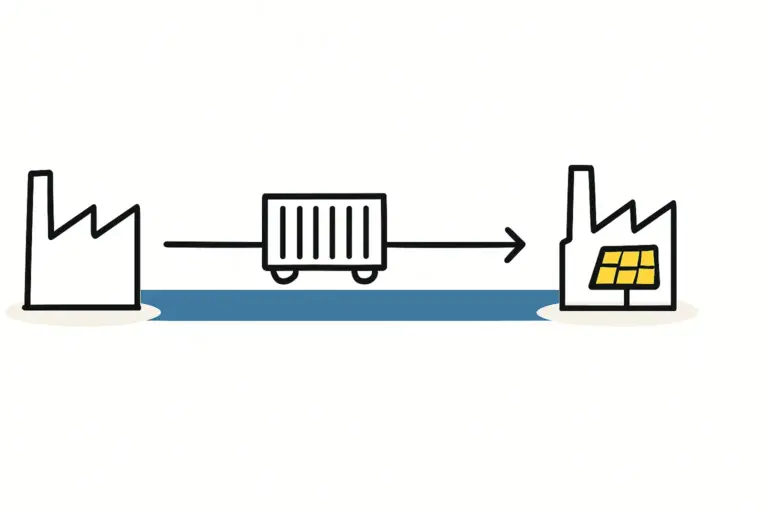
For materials that cannot be reduced or reused, recycling is the next best option. In Palau, this almost certainly means consolidating, processing, and exporting materials to countries with industrial recycling facilities.
-
Segregation at the Source: This is the most critical element of a successful recycling program. Clearly labeled bins for broken cells, glass cullet, EVA/backsheet plastic, and cardboard must be placed throughout the facility. Mixing waste streams makes recycling difficult and expensive, if not impossible.
-
Processing On-Site: Investing in simple on-site equipment, like balers for cardboard and plastics, can dramatically reduce waste volume. This lowers storage needs and significantly cuts shipping costs.
-
Building Partnerships: The business plan must include identifying and partnering with international recycling companies specializing in industrial materials. Associated logistics and costs must be factored into the factory’s initial requirements and operational budget.
The Business Case for Proactive Environmental Compliance
Entrepreneurs often worry that stringent environmental management will be a significant cost center. Viewing it as a strategic investment, however, tells a different story. A robust environmental plan is a key component of a successful turnkey factory setup.
-
Enhanced Brand Reputation: In an environmentally conscious nation like Palau, a company known for its clean operations builds immense goodwill and a strong social license to operate.
-
Attracting Investment: International investors and financial institutions increasingly use ESG (Environmental, Social, and Governance) criteria to evaluate projects. A documented and effective waste management program makes the business far more attractive.
-
Operational Stability: Proactive compliance avoids the risk of fines, penalties, or shutdowns stemming from environmental violations, ensuring smooth and predictable operations.
Frequently Asked Questions (FAQ)
Q: Are the waste materials from a solar factory toxic?
A: The primary waste streams—silicon, glass, aluminum, and plastics like EVA—are generally considered non-hazardous. However, all industrial waste must be managed responsibly according to local regulations. Small quantities of solvents or lubricants require special handling, but these are minimal in a modern facility.
Q: How much waste does a typical small-scale factory produce?
A: For a 50 MW per year factory, the scrap rate for key materials is typically low with good processes, often between 1-3%. While the percentage is small, the absolute volume over a year is substantial, making a formal management plan essential.
Q: Is it economically viable to ship waste from Palau for recycling?
A: While there are direct costs for shipping, they must be weighed against the high costs and limited capacity of local landfills. Furthermore, the long-term value of maintaining a pristine brand reputation and avoiding regulatory fines often makes recycling the more economically sound choice. These costs should be modeled in the initial business plan.
Q: What is the first step to creating a waste management plan?
A: The first step is a waste audit during the factory planning phase. This involves identifying every potential waste stream, estimating its annual volume, and determining the best management pathway (reduce, reuse, or recycle) for each.
Conclusion: Responsibility as a Foundation for Success
For an entrepreneur in Palau’s solar industry, environmental management isn’t a secondary task—it’s a foundational pillar of the business. By designing a factory with waste reduction in mind, implementing rigorous segregation and recycling programs, and viewing environmental compliance as a strategic asset, a solar module manufacturing facility can be a true model of sustainable development. It can provide local jobs and contribute to global clean energy goals, all while honoring and protecting the pristine paradise it calls home. A structured approach makes navigating these requirements a clear, manageable process, ensuring the facility becomes a true asset to the island.