Imagine a successful soybean farmer in Paraguay’s Gran Chaco region. While his operation is profitable, its growth is held back by one key challenge: energy. The national grid doesn’t extend to his remote location, forcing him to rely completely on diesel generators to power critical irrigation pumps.
The costs are high, the fuel supply is unreliable, and the maintenance is constant. This farmer’s dilemma is far from unique—it represents a significant and underserved market for a strategic entrepreneur.
This article makes the case for establishing a solar module production line in Paraguay, tailored to the needs of its vital agribusiness sector. It shows how identifying a niche market can allow local manufacturing to provide a superior solution to mass-produced imports.
The Paraguayan Paradox: Abundant Energy, Limited Access
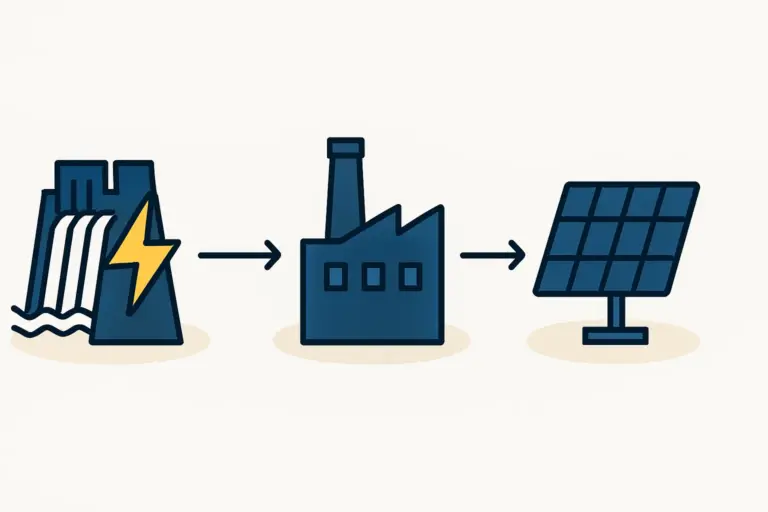
Paraguay is home to the Itaipu Dam, one of the world’s largest hydroelectric plants, which provides the country with abundant, clean, low-cost electricity. Yet a significant gap exists between generation and distribution.
In the nation’s agricultural heartlands, which contribute over 25% to the GDP, access to the grid remains a major obstacle. Many commercial farms, cattle ranches, and food processing facilities must operate partially or completely off-grid. This reliance on expensive and logistically complex diesel power creates a pressing need for a more reliable, cost-effective energy source.
Identifying the Niche: Solar Power for Agricultural Independence
Solar photovoltaic (PV) technology is a natural solution. Paraguay benefits from high solar irradiation, averaging over 1,900 kWh/m² annually, making it an ideal location for solar energy. For the agribusiness sector, the benefits are particularly compelling:
-
Energy Autonomy: Solar installations provide a decentralized power source, freeing farms from dependence on the grid or fuel deliveries.
-
Operational Stability: Consistent energy for irrigation pumps ensures stable crop yields, even during periods of drought—a growing concern with climate change.
-
Reduced Operating Costs: While requiring an initial investment, solar power eliminates recurring fuel costs, offering a predictable financial model and a hedge against volatile oil prices.
A local solar module manufacturer would be uniquely positioned to serve this market. By producing modules domestically, a company can engineer products for the local environment and its specific applications, a crucial advantage over generic imported panels.
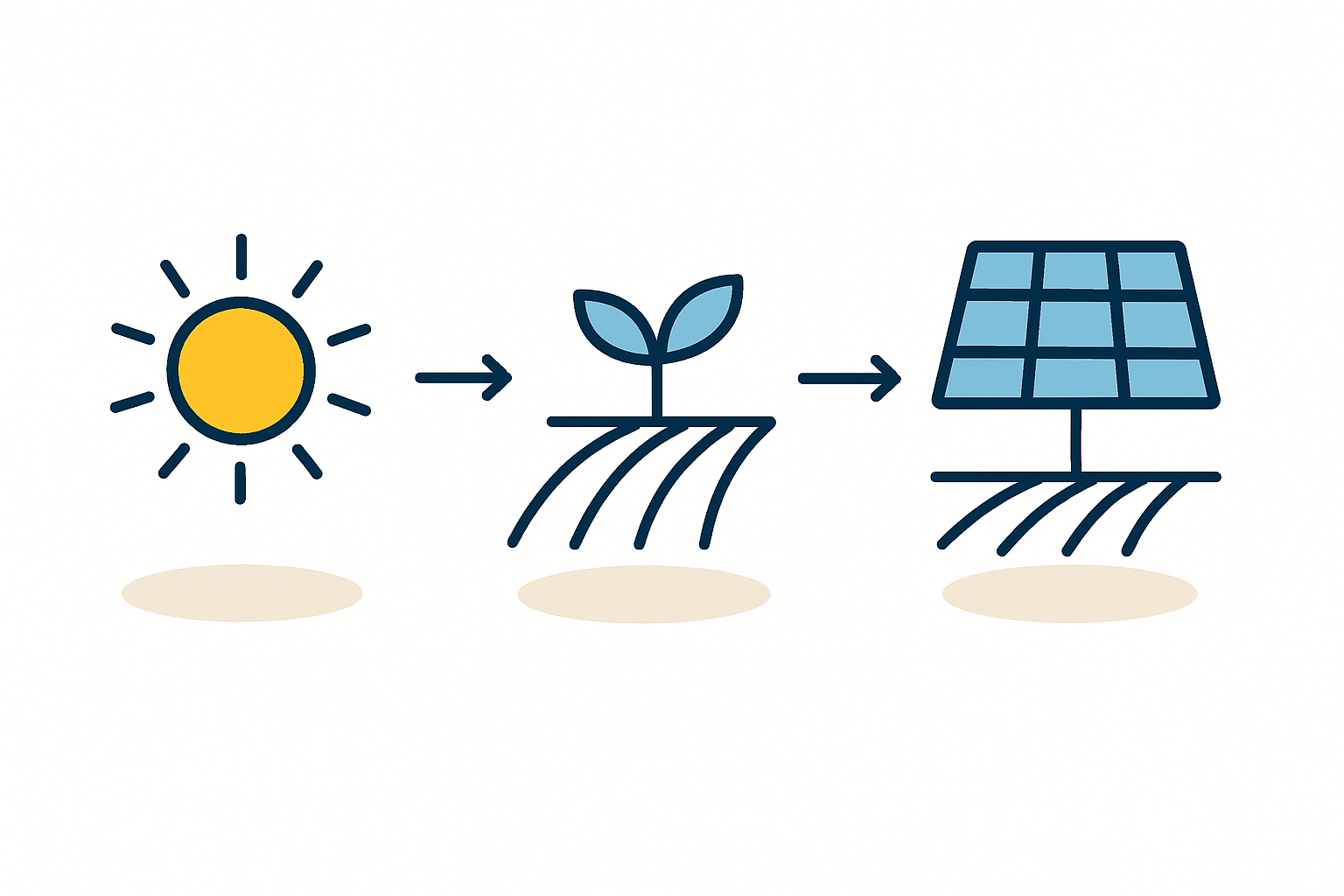
Ready to make big Profits?
The solar Industry is Booming
WE HELP NEWCOMERS to the solar industry start their own solar module production line. Customers can make BIG PROFITS by selling modules and finding investors, without wasting money and time on things they don't need!
Defining the Product: Modules Engineered for the Field
A solar module used on a farm in a rural, subtropical environment has different requirements than a standard residential rooftop panel. An entrepreneur who understands this can create a product with a clear competitive edge.
Key Module Specifications:
-
Enhanced Durability: Agricultural environments are harsh. Modules must be built to withstand high levels of dust, humidity, and potential physical impacts. This might involve using reinforced frames, more robust junction boxes, and durable backsheets.
-
Application-Specific Form Factors: While a large-scale irrigation system may use standard-sized modules, smaller applications like individual water pumps, electric fencing, or outbuilding lights could benefit from smaller, specialized sizes.
-
Cost-Effectiveness: The primary driver for adoption will be financial. By focusing on essential durability features—and forgoing unnecessary high-performance cells designed for space-constrained urban roofs—a manufacturer can optimize the price-to-performance ratio for this market.
The Business Case for Local Manufacturing
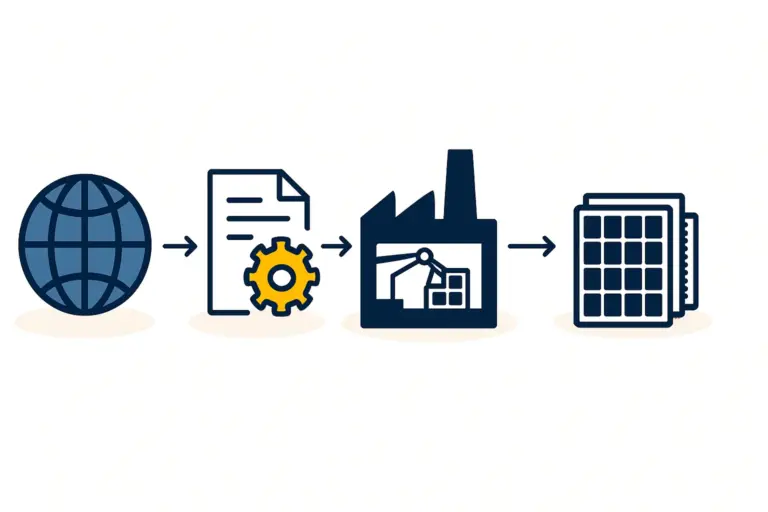
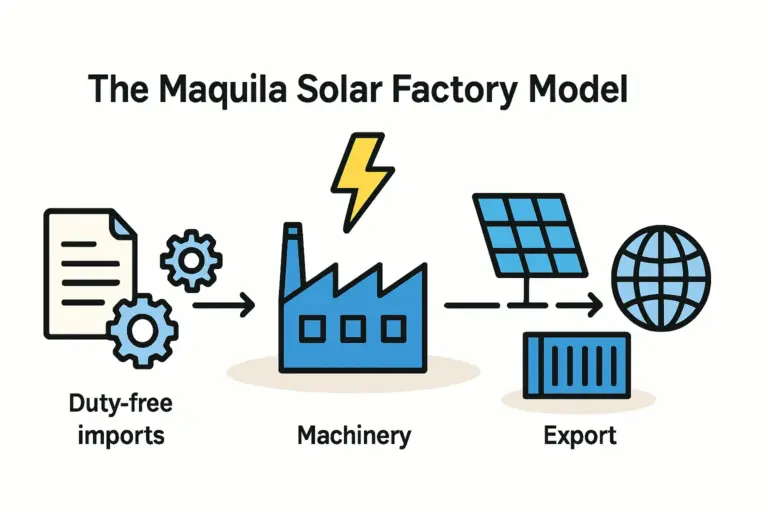
Establishing a domestic production facility offers several strategic advantages over simply importing and distributing foreign-made modules. It allows for the product customization detailed above, shortens the supply chain, and reduces transportation costs and import complexities.
A local factory also stimulates the regional economy by creating jobs and may benefit from government incentives for local industry and renewable energy.
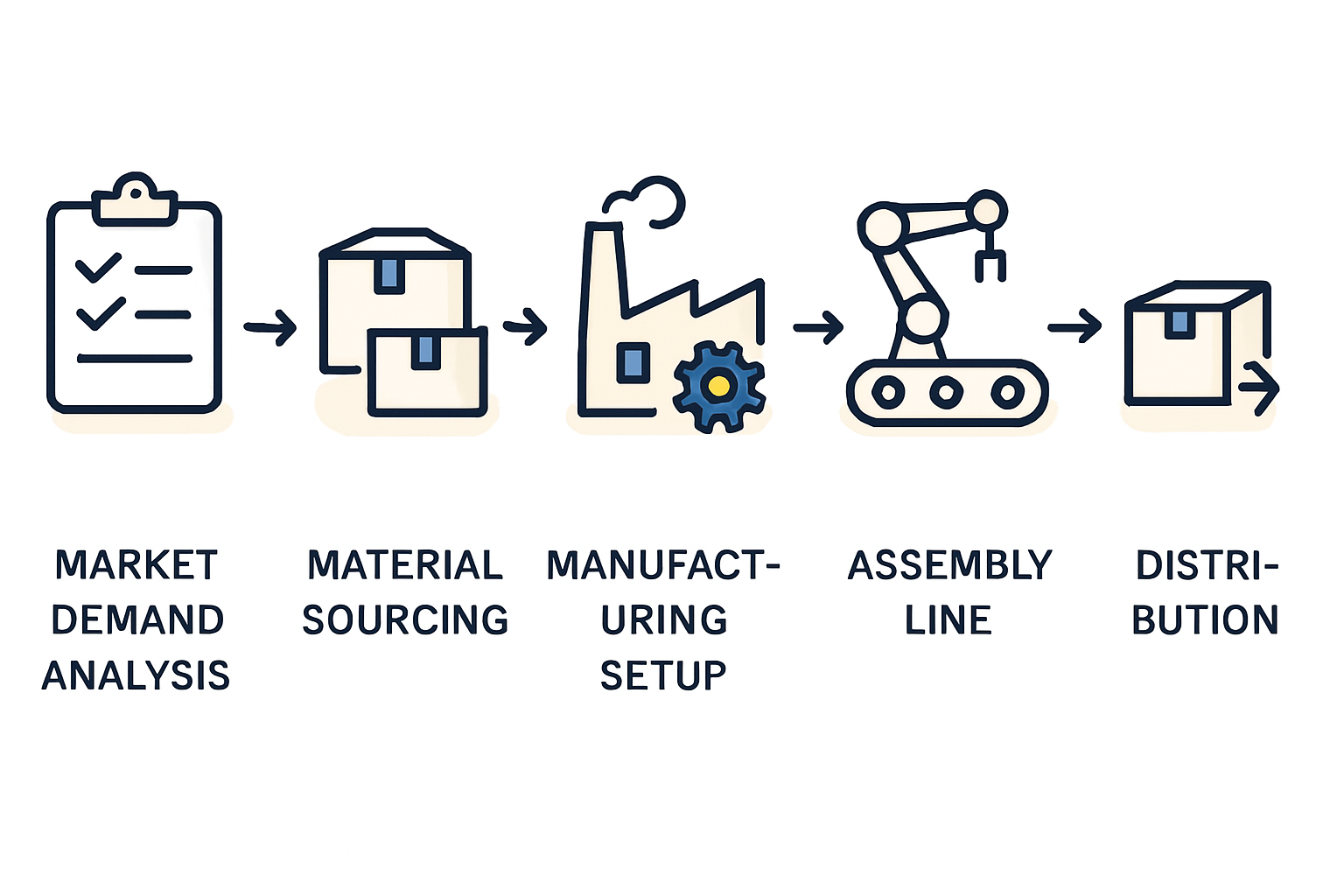
An entrepreneur does not need to be a solar engineer to enter this market. The first step is to understand the fundamentals of the solar module manufacturing process. This knowledge provides the basis for planning the factory layout, machinery, and operational workflow.
Key Considerations for Establishing a Production Facility
Moving from concept to operation requires careful planning. Experience from J.v.G. turnkey projects highlights several areas that demand close attention.
Investment and Scale
The necessary investment for a solar factory is not prohibitive. For a niche market like this, a small- to medium-sized production line of 20–50 MW annual capacity is a more prudent starting point than a large-scale gigafactory. This approach allows for agility and a focus on quality and specialization.
Logistics and Supply Chain
A key challenge will be managing the logistics of both inbound raw materials (cells, glass, aluminum frames) and the outbound distribution of finished modules to remote agricultural areas. Establishing strong relationships with logistics partners is critical.
Technical Expertise and Operations
While the business owner may come from a non-technical background, the factory itself requires skilled operators. A turnkey solar production line provider is essential here, offering services that include procuring and installing machinery as well as comprehensive staff training to ensure a smooth launch and adherence to international quality standards.
Frequently Asked Questions (FAQ)
Why not just import standard solar modules?
Standard modules are not designed for the specific rigors of an agricultural setting. A locally produced, purpose-built module offers greater durability and reliability. Local manufacturing also simplifies logistics and may qualify for government support for domestic industries.
What is a realistic factory size for this market?
A production line with an annual capacity of 20 to 50 MW is a strategic entry point. It allows for a focus on a specific product type and can be scaled up as market demand grows. This agile approach reduces initial capital expenditure and market risk.
Is a deep technical background in solar energy required to start this business?
A strong business background is more critical than a technical one. The technical aspects of factory setup, machine operation, and process optimization can be managed by partnering with experienced consultants and turnkey solution providers. The entrepreneur’s role is to identify the market opportunity and build the business case.
What are the primary risks to consider?
The main risks include potential disruptions in the global supply chain for raw materials, competition from low-cost importers, and changes in government policy on renewable energy or local manufacturing. A thorough feasibility study and business plan are essential to mitigate these risks.
Conclusion: A Strategic Entry into a Growing Market
The Paraguayan agribusiness sector presents a clear and compelling opportunity for a focused solar module manufacturer. By developing a product engineered for the demands of the local environment, a new entrant can build a strong competitive advantage over importers of generic panels.
This model of identifying an underserved industrial niche is not limited to Paraguay. It can serve as a blueprint for entrepreneurs in emerging markets where key economic sectors rely on unreliable or expensive energy. The key is to understand the local need and create a tailored solution, turning a regional challenge into a significant business opportunity.