Saint Lucia has set ambitious renewable energy targets: 35% of its electricity from renewables by 2025, rising to 50% by 2030. For an entrepreneur, this national goal signals a significant market opportunity.
While acquiring the right machinery is a critical step, the far more nuanced challenge lies in building the skilled local team required to operate and maintain a modern solar module factory. The success of such a venture depends less on the equipment itself and more on the competence of the people running it.
This article outlines a strategic framework for recruiting, training, and retaining a technical workforce in Saint Lucia. It addresses the island’s unique labor market dynamics and provides a clear path for transforming local potential into a high-performing production team.
Understanding the Local Labor Landscape
An investor looking at Saint Lucia will notice two statistics that seem contradictory. On one hand, the country faces a youth unemployment rate of around 30%, indicating a large pool of available labor. On the other hand, reports from institutions like the Caribbean Development Bank highlight a scarcity of specialized skills for high-tech manufacturing.
This is a common scenario in emerging industrial markets. While foundational electrical and mechanical knowledge often exists, the specific competencies needed for solar PV assembly, lamination, and quality assurance are typically undeveloped. The challenge isn’t a lack of people, but a gap between available skills and industry requirements. This gap represents the primary hurdle—and the greatest opportunity—for a new solar manufacturing enterprise. An effective human resources strategy must focus on bridging this gap through targeted training and development.
A Three-Pillar Strategy for Building Your Production Team
Building a workforce from the ground up requires a systematic approach, which can be broken down into three core pillars: strategic recruitment, bespoke training, and long-term institutional partnerships.
Pillar 1: Strategic Recruitment and Talent Identification
The goal is to hire for aptitude and train for skill. Since experienced solar module technicians are unlikely to be available locally, the recruitment process must focus on identifying individuals with the right underlying traits.
Key criteria should include:
- Attention to Detail: Precision is paramount in module assembly, where small errors can lead to significant performance loss.
- Process Discipline: The ability to follow standardized operating procedures consistently is essential for quality control.
- Technical Aptitude: A basic understanding of mechanical or electrical concepts provides a strong foundation for training.
Instead of relying solely on general job postings, a proactive recruitment strategy means engaging directly with local technical institutions. The Sir Arthur Lewis Community College (SALCC) and the National Skills Development Centre (NSDC) are primary sources for candidates who have already shown an interest in technical fields. Building relationships with these institutions can create a direct pipeline of promising individuals.
Pillar 2: Developing a Bespoke Training Program
A generic training program won’t suffice for a specialized manufacturing process. The training must be tailored specifically to the equipment on your solar panel production line and the quality standards you aim to achieve.
Ready to make big Profits?
The solar Industry is Booming
WE HELP NEWCOMERS to the solar industry start their own solar module production line. Customers can make BIG PROFITS by selling modules and finding investors, without wasting money and time on things they don't need!
A comprehensive program should cover three main areas:
- Module Assembly Processes: This includes hands-on training for every stage, from solar cell stringing and bussing to layup, lamination, framing, and junction box installation.
- Machine Operation and Basic Maintenance: Operators must not only know how to run the equipment but also how to perform routine checks, troubleshoot minor issues, and recognize the early warning signs of a potential breakdown. This reduces downtime and reliance on senior technicians for minor problems.
- Quality Control and Assurance: Arguably the most critical component, training must instill a deep understanding of what constitutes a defect at each stage of production. It covers visual inspection criteria, the use of testing equipment like sun simulators and EL testers, and the principles behind a robust solar panel quality control system.
A highly effective method for knowledge transfer is the ‘train-the-trainer’ model. This involves bringing in an experienced engineer—perhaps from the equipment supplier or a consultancy—to intensively train a small, core team of local supervisors. This core team then becomes the in-house resource for training all new operators, ensuring that expert knowledge is embedded within the organization.
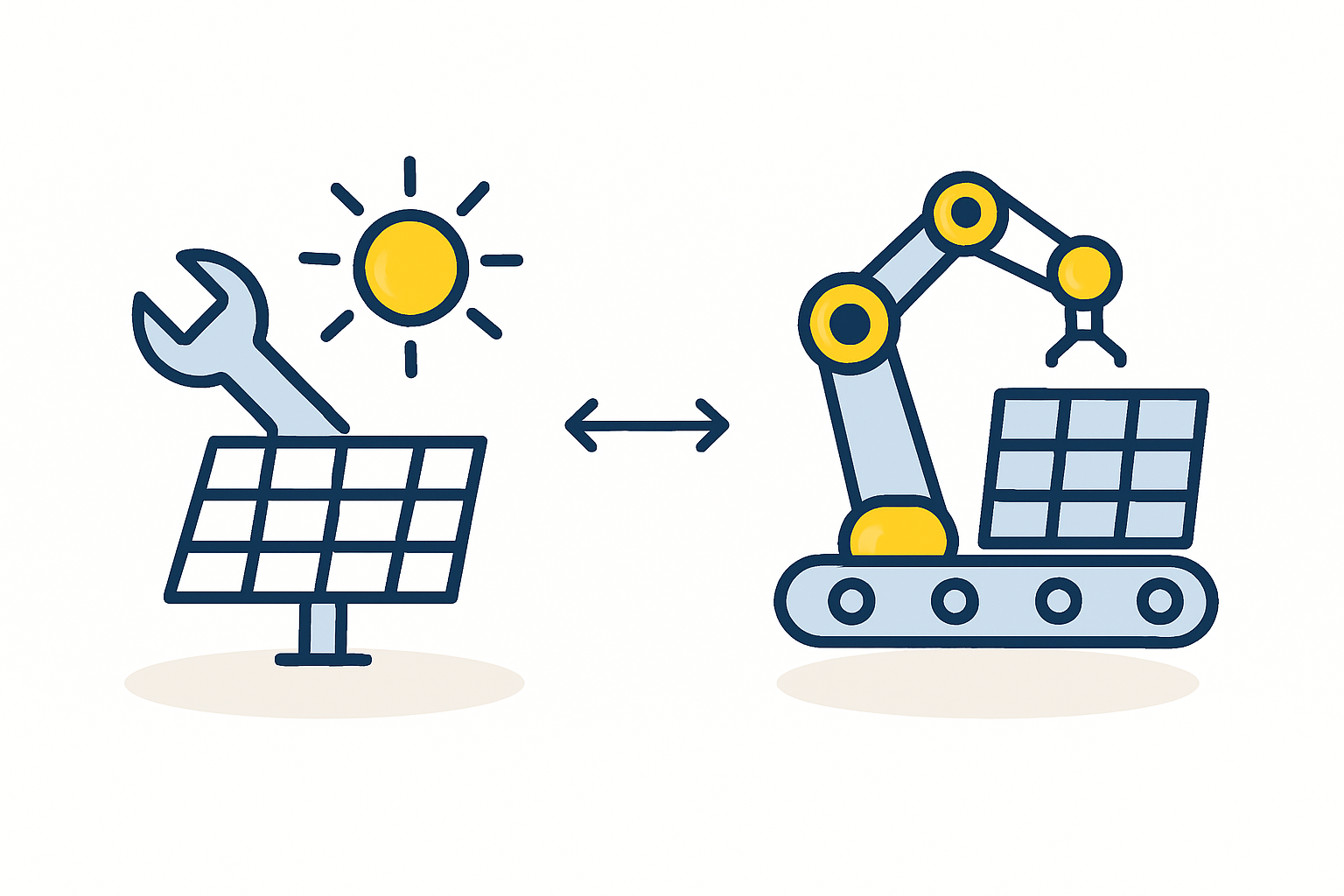
Pillar 3: Fostering Long-Term Growth Through Public-Private Partnerships
A sustainable workforce strategy extends beyond the factory walls. As the World Bank recommends, forming public-private partnerships is crucial for aligning local education with industry needs.
For a solar manufacturer in Saint Lucia, this could involve:
- Curriculum Collaboration: Working with SALCC and NSDC to help shape their technical curricula, ensuring that what they teach is relevant to the real-world demands of a solar factory.
- Internship and Apprenticeship Programs: Offering structured opportunities for students to gain practical experience, creating a vetted pipeline of future full-time employees.
- Knowledge Sharing: Providing guest lecturers to technical colleges or even donating older, replaced equipment for training purposes.
These actions are not charity; they are a strategic investment. By helping build the local ecosystem of technical education, a company ensures a steady, long-term supply of qualified labor, reducing future recruitment costs and solidifying its position as a leading employer.
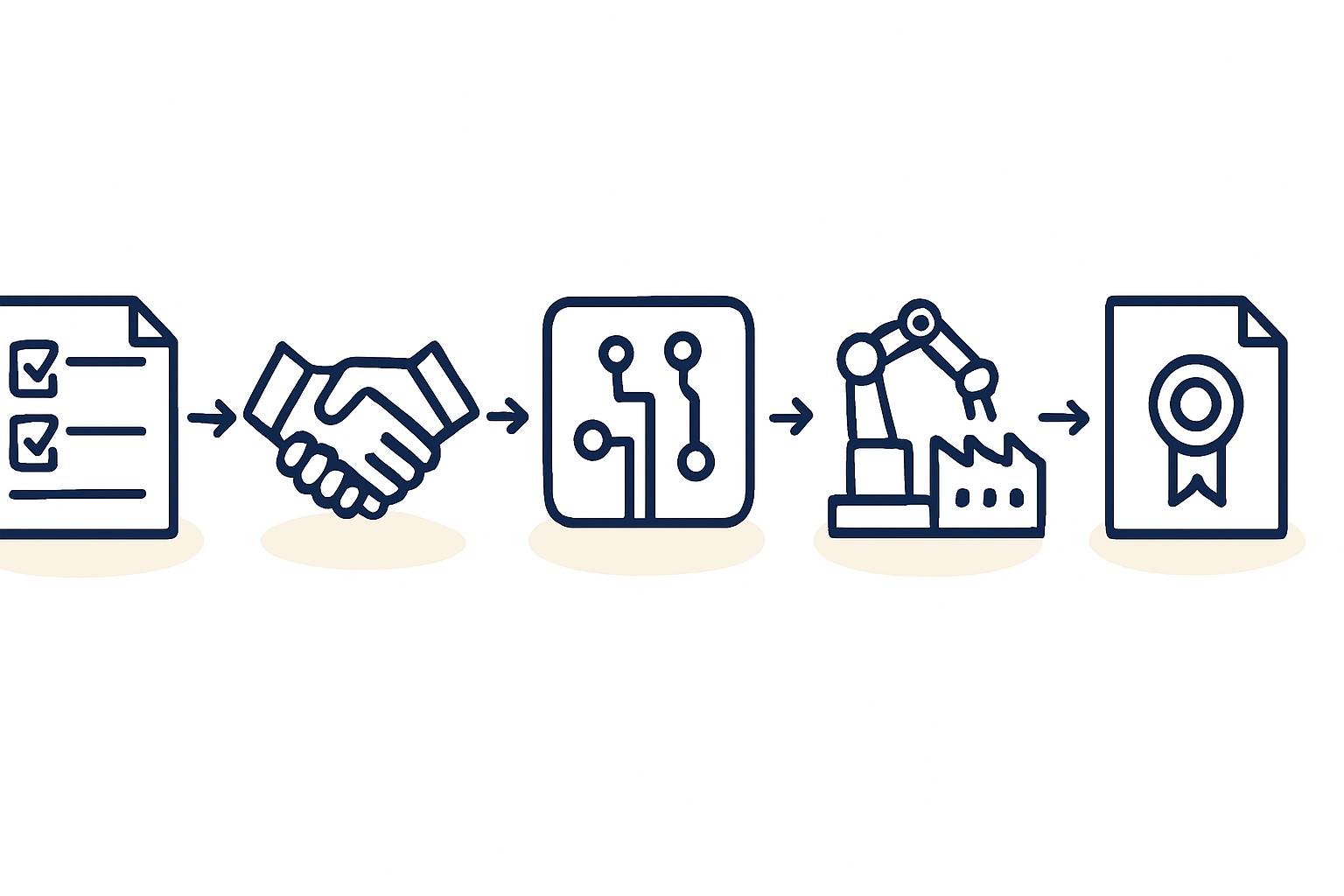
The Business Case: From Investment to Operational Excellence
Investing in workforce development is as fundamental to a successful solar factory as investing in capital equipment. A well-trained and motivated team directly impacts the bottom line through measurable improvements in key performance indicators.
- Improved Yield and Reduced Waste: Skilled operators make fewer errors, leading to higher production yields and less material scrappage.
- Increased Equipment Uptime: Proactive basic maintenance by trained operators minimizes costly production stoppages.
- Consistent Product Quality: A strong quality culture, built through rigorous training, protects brand reputation and ensures products meet international certification standards.
- Lower Employee Turnover: Investing in employee skills fosters loyalty and reduces the significant costs associated with recruiting and training replacements.
Ultimately, the quality of the team determines the quality of the product. In a competitive global market, the operational excellence achieved through a superior workforce is a decisive advantage.

Frequently Asked Questions (FAQ)
How long does it typically take to train a new production line operator?
Initial hands-on training for a specific role, such as a laminator or stringer operator, generally takes four to six weeks. However, achieving full proficiency and the ability to troubleshoot minor issues can take six months to a year of on-the-job experience and continuous learning.
Is it necessary to hire experienced solar technicians from abroad?
For key leadership roles, like a Production Manager or Head of Quality, it is often necessary to hire one or two experienced expatriates at the outset. Their primary role should be to establish processes and, crucially, to train their local successors. The long-term goal should always be to transition to a fully local management and technical team.
What are the most critical soft skills to look for when recruiting locally?
Beyond technical aptitude, look for reliability, a strong work ethic, and the ability to work effectively in a team. In a manufacturing environment built on standard operating procedures, a candidate’s willingness to learn and follow instructions precisely is more valuable than pre-existing experience.
How can a new factory ensure its training program meets international standards?
The training program should be built around the operational manuals of the production machinery and benchmarked against international quality management standards like ISO 9001. Performance criteria for trainees should be directly linked to the quality control metrics of the production line.
Conclusion: Building More Than Solar Panels
Establishing a solar module factory in Saint Lucia is an opportunity to build more than just a physical asset; it’s a chance to build human capital, create skilled employment, and contribute directly to the nation’s sustainable development goals. The challenge of a shallow pool of specialized labor is real, but it is one that can be overcome with a deliberate and structured strategy. By combining proactive recruitment, customized training, and strategic local partnerships, an entrepreneur can develop a world-class workforce that becomes the engine of the factory’s long-term success.