An entrepreneur in Apia looks at the nation’s monthly fuel import bill and sees more than just a number; he sees a strategic vulnerability. For Small Island Developing States (SIDS) like Samoa, over 97% of electricity is generated from imported fossil fuels, a dependency that leaves them exposed to volatile global prices and significant economic strain.
While the ambition to shift to 100% renewable energy is strong, a critical question often halts progress for private investors: how can the high upfront capital costs of a project, such as a local solar module assembly plant, be financed?
The answer, for many successful ventures in the region, lies not in conventional commercial loans alone but in strategic alignment with international development partners. This article explores the landscape of development finance available to Samoa and outlines how entrepreneurs can position their solar manufacturing projects to secure crucial support.
The Strategic Imperative for Local Solar Production in SIDS
Before examining the funding mechanisms, it’s helpful to understand why local solar manufacturing is a compelling proposition for development partners. For an island nation, energy is inextricably linked to economic resilience. A local assembly facility is not just an industrial project; it is a piece of critical infrastructure that delivers value on multiple fronts:
- Energy Security: Reduces dependence on imported fuels, insulating the economy from supply chain disruptions and price shocks.
- Economic Development: Creates skilled jobs, fosters a new industrial sector, and retains capital within the country that would otherwise be spent on fuel imports.
- Climate Resilience: Directly contributes to Samoa’s ambitious goal of achieving 100% renewable electricity generation, a key part of its Nationally Determined Contributions (NDCs) under the Paris Agreement.
- Grid Stability: When paired with modern grid management and storage solutions, a consistent supply of locally produced panels can support a more robust and reliable electricity network.
These outcomes align perfectly with the mandates of development finance institutions (DFIs), whose goal is to fund projects that deliver sustainable, long-term economic and social benefits.
Navigating the Funding Challenge: The Role of Development Partners
The primary barrier to entry for any capital-intensive project is financing. Commercial banks may be hesitant due to perceived risks associated with new technologies or markets. This is precisely the gap development partners step in to fill. They can offer a range of financial instruments, including:
- Concessional Loans: Loans with lower interest rates or longer repayment periods than commercial alternatives.
- Grants: Non-repayable funds, often targeted at specific project components like technical feasibility studies or capacity building.
- Technical Assistance: Expert support for project planning, engineering, and implementation, which is often as valuable as the capital itself.
- Guarantees: Instruments that reduce the risk for private co-investors, making the project more attractive to commercial lenders.
Understanding which partners are active in Samoa and the Pacific region is the first step toward building a viable financing strategy.
Key Development Partners and Financing Mechanisms for Samoa
Several multilateral and bilateral partners have a strong track record of supporting Samoa’s transition to renewable energy. Entrepreneurs planning a solar venture should become familiar with their work and investment priorities.
The Asian Development Bank (ADB): A Cornerstone for Energy Transformation
The ADB is one of the most significant players in Samoa’s energy sector. Its Samoa Renewable Energy Development and Power Sector Rehabilitation Project is a clear indicator of its long-term strategy. While the project focuses on rehabilitating existing hydropower plants and integrating battery energy storage systems (BESS), its impact lays the foundation for future solar development. By enhancing grid stability, the ADB is creating an environment where more intermittent renewable sources, like solar, can be reliably integrated. A proposal for a local solar module assembly line becomes far more attractive when the national grid is prepared to absorb its output.
The World Bank: Investing in Climate Resilience
The World Bank’s engagement in Samoa, exemplified by the Samoa Climate Resilient Transport Project, demonstrates a deep commitment to building the nation’s resilience against climate change. While this project is focused on transport infrastructure, it signals the Bank’s willingness to fund large-scale capital projects that address climate vulnerability. A solar manufacturing venture, framed as a core component of Samoa’s climate adaptation and energy independence strategy, aligns well with this established investment focus.
Blended Finance and Co-Financing: The Power of Partnership
Few large projects are funded by a single entity. A more common approach is ‘blended finance,’ where development funds are used to de-risk a project and attract private capital. The Green Climate Fund (GCF) frequently co-finances projects with partners like the ADB. This model allows an entrepreneur to leverage DFI support to secure additional funding from commercial investors. The key is to use development finance as a catalyst, not as the sole source of capital.
Bilateral Support: The Role of Key Nations
Beyond the multilateral banks, several countries provide direct support to Samoa. The governments of Japan (via JICA), Australia (DFAT), New Zealand (MFAT), and the European Union are all active partners. Their support often comes in the form of grants and highly targeted technical assistance. Engaging with their local embassies or development offices can provide valuable insights into current funding priorities and programs.
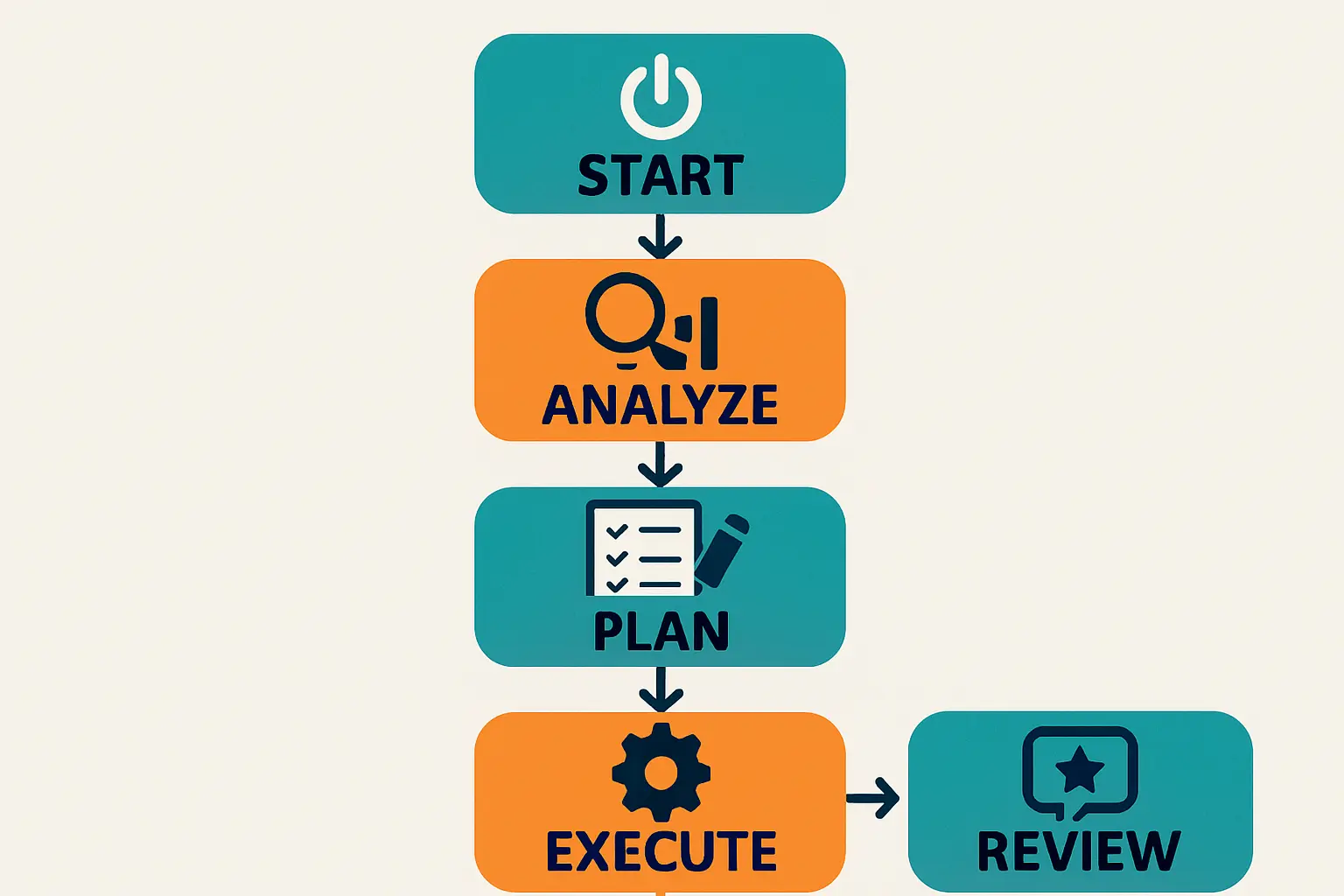
How to Position Your Project for Development Funding
Securing support from these organizations requires more than a good idea; it requires a meticulously prepared and strategically aligned proposal. A firm grasp of the fundamentals, such as knowing how to start a solar panel manufacturing business, provides the necessary foundation.
Align with National Priorities
Your proposal must be explicitly linked to Samoa’s national development strategy and its renewable energy targets. Reference official government documents and demonstrate how your project directly helps the country achieve its stated goals.
Demonstrate Economic Viability and Impact
DFIs are investors, not charities. They need to see a clear path to financial sustainability. A detailed financial model is non-negotiable. An effective solar panel manufacturing business plan will go beyond technical specifications to quantify the project’s economic impact, including job creation, foreign exchange savings on fuel, and potential for export.
Build Strong Local Partnerships
Demonstrate that you have engaged with key local stakeholders, such as the Electric Power Corporation (EPC) and the Ministry of Finance. A letter of support or a memorandum of understanding with a government agency can significantly strengthen your application.
Seek Technical Expertise
Development partners need confidence that a project is technically sound. Partnering with experienced engineering consultants who understand the complexities of factory planning is crucial. Presenting a clear breakdown of the solar panel manufacturing project cost with credible equipment lists and production forecasts shows that the project is well-researched and ready for execution. This is an area where J.v.G. Technology GmbH, through platforms like pvknowhow.com, has provided turnkey line setup and consultancy for decades.
Frequently Asked Questions (FAQ)
Q: Is this type of funding available only for large-scale government projects?
A: Not exclusively. While many large infrastructure projects are government-led, DFIs are increasingly focused on stimulating private sector investment. Many programs have specific windows or funds dedicated to private enterprises that align with national development goals.
Q: Do I need a complete factory plan before approaching these partners?
A: You need a highly detailed feasibility study and a professional business plan. While the final architectural drawings may not be complete, the technical concept, financial projections, market analysis, and operational plan must be thoroughly developed. This is the documentation that secures initial interest and prompts further due diligence.
Q: What is ‘technical assistance,’ and why is it important?
A: Technical assistance is expert guidance provided by the DFI or a third-party consultant. It can cover engineering design, financial modeling, environmental and social impact assessments, and project management. For an entrepreneur new to the solar industry, this assistance is often as valuable as the funding itself, as it helps mitigate risks and ensures the project adheres to international standards.
Q: How long does the funding process typically take?
A: The process can be lengthy, often taking 12 to 24 months from initial contact to financial close. It involves multiple stages of due diligence and requires patience, persistence, and meticulous preparation.
Conclusion: The Path Forward for Solar Entrepreneurs in Samoa
For business professionals in Samoa and other SIDS, the dream of establishing a local solar manufacturing facility is within reach. While the initial capital requirements are significant, a clear pathway exists through strategic engagement with international development partners. By aligning a technically sound and economically viable project with national priorities, entrepreneurs can unlock the concessional financing and expert support needed to turn ambition into reality.
The journey begins with deep research and rigorous planning. The next logical step is to study the specific investment frameworks of partners like the ADB and the World Bank and to begin drafting a comprehensive business plan that makes an undeniable case for investment in Samoa’s clean energy future.