When entrepreneurs explore new frontiers in renewable energy, conventional wisdom favors manufacturing in large, established industrial zones. Yet a compelling strategic alternative may lie on a small island nation in the Gulf of Guinea. Could Sao Tome and Principe, known more for its natural beauty than its industrial output, become a viable manufacturing and export hub for solar modules destined for mainland Africa?
This analysis weighs the strategic, logistical, and economic case for such a venture. We explore how the nation’s unique combination of geography, economic incentives, and political stability creates a distinct opportunity for businesses aiming to meet the growing energy demands of Central and West Africa.
The Strategic Advantage: Why Consider Sao Tome and Principe?
At first glance, establishing a factory on an island may seem counterintuitive. However, several distinct factors converge to create a persuasive business case.
Geographic Proximity to Key Markets
Sao Tome and Principe’s location just off the coast of Central Africa gives it close proximity to rapidly developing markets.
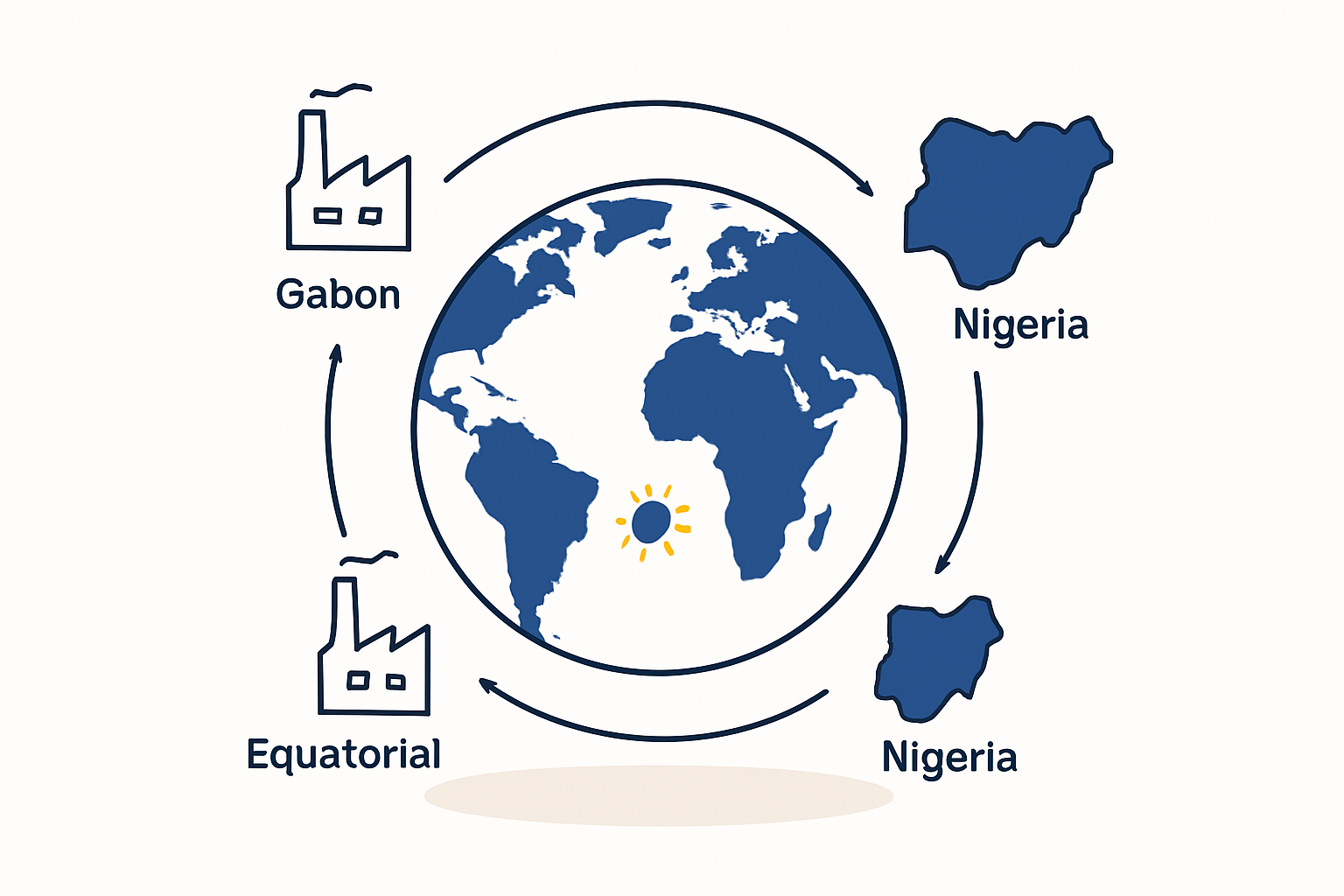
- Gabon: Libreville is only a short sea journey away.
- Equatorial Guinea: The mainland region of Rio Muni and the island of Bioko are immediate neighbors.
- Nigeria and Cameroon: The major ports of these economic powerhouses are also within a feasible shipping radius.
This proximity translates to shorter shipping times and potentially lower freight costs compared to importing modules from Asia, creating a more responsive supply chain for regional projects.
Economic Incentives via the Free Trade Zone
Sao Tome and Principe has established a Free Trade Zone (FTZ) designed to attract foreign investment. For a manufacturing business, the benefits are substantial and direct.
- Tax Exemptions: Businesses operating within the FTZ are typically exempt from corporate income tax, value-added tax (VAT), and customs duties on imported raw materials and equipment.
- Simplified Customs Procedures: The FTZ framework streamlines the import of components and the export of finished goods, reducing administrative delays and costs.
- Profit Repatriation: Favorable regulations often allow for easier repatriation of profits for foreign investors.
These incentives directly reduce operational costs, making the final price of the modules more competitive in their target markets.
Political and Economic Stability
In a region where political instability can be a significant risk, Sao Tome and Principe stands out for its stable democratic governance. This fosters a secure and predictable environment for a capital-intensive facility like a solar module factory, mitigating risk for investors and supporting long-term planning.
Analyzing the Target Markets: Demand on the Mainland
The viability of an export-oriented factory depends entirely on the demand in its target markets. The nations surrounding Sao Tome and Principe show clear signs of a growing need for solar energy solutions.
- Gabon: The Gabonese government is actively pursuing a strategy to increase the share of renewable energy in its national grid, particularly to power rural and underserved areas.
- Equatorial Guinea: While rich in hydrocarbons, the nation faces challenges with consistent electricity supply and is exploring renewables to diversify its energy mix and improve grid reliability.
- Nigeria: Africa’s largest economy has an enormous and well-documented energy deficit. Government initiatives and a massive commercial sector create immense demand for solar installations. Manufacturing in a nearby, US Dollar-denominated economy like Sao Tome and Principe could offer a hedge against currency fluctuations.
Logistical Pathways: From Island Factory to African Consumer
The core operational challenge is moving finished solar modules from a factory in Sao Tome to customers on the mainland efficiently and cost-effectively.
Ready to make big Profits?
The solar Industry is Booming
WE HELP NEWCOMERS to the solar industry start their own solar module production line. Customers can make BIG PROFITS by selling modules and finding investors, without wasting money and time on things they don't need!
Shipping and Freight Considerations
The Port of Sao Tome is the central hub for maritime logistics. While it doesn’t compete with major global ports, it is serviced by international shipping lines like Maersk, ensuring connections for containerized freight.
A key regional strategy could involve using smaller, more agile vessels for direct deliveries to ports like Port-Gentil (Gabon) or Malabo (Equatorial Guinea). This ‘short-sea shipping’ model offers greater flexibility and faster turnaround times than relying solely on large container ship schedules.
Navigating Customs and Tariffs
While the African Continental Free Trade Area (AfCFTA) aims to reduce tariffs between African nations, its implementation can be complex. Manufacturing within Sao Tome’s FTZ offers a clear exporting advantage, but a successful model must still account for the specific import duties and administrative processes in each target country. Establishing strong local partnerships for customs clearance will be critical.
Economic Viability: A Look at the Numbers
A favorable location and strong market demand must be supported by a sound financial model.
Impact of the Free Trade Zone on Production Costs
The primary economic advantage stems from the FTZ. By eliminating taxes on imported raw materials like solar cells, glass, and aluminum frames, and on corporate profits, a manufacturer can achieve a significantly lower cost base compared to operating in a standard economic zone.
Investment Planning and Execution
Investors considering this opportunity should begin with a structured approach. The process starts with understanding how to start a solar panel manufacturing plant, from site selection to equipment procurement. This initial research provides the foundation for a detailed solar panel manufacturing business plan, which is essential for securing financing.
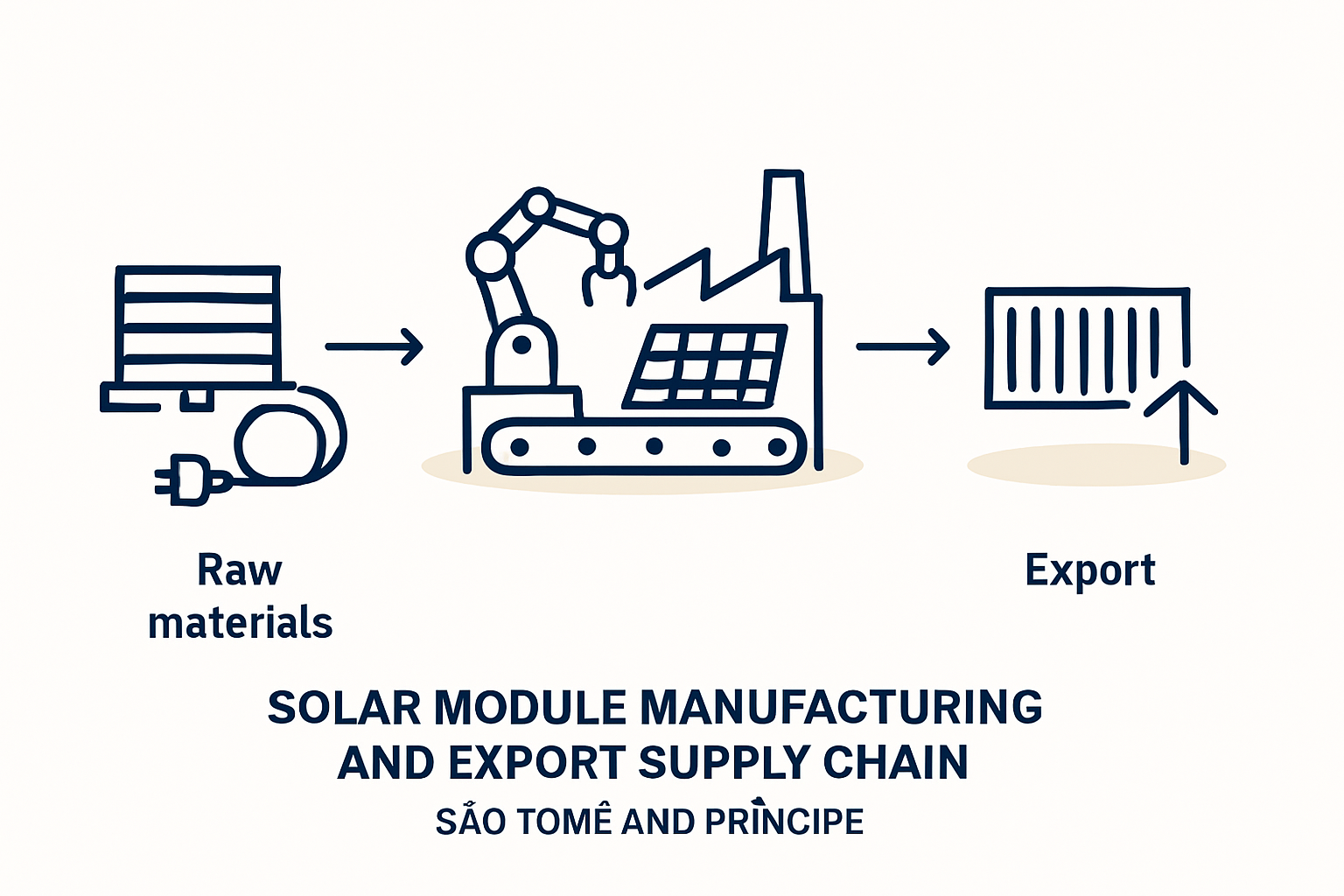
Such a plan must include a realistic assessment of the investment required for solar panel manufacturing, factoring in the unique logistical costs of an island location. Finally, managing the supply chain requires a deep understanding of the solar panel manufacturing process. According to J.v.G. Technology GmbH’s experience, a 20-50 MW semi-automated line can often be established with a team of around 30 trained employees.
Labor and Skills
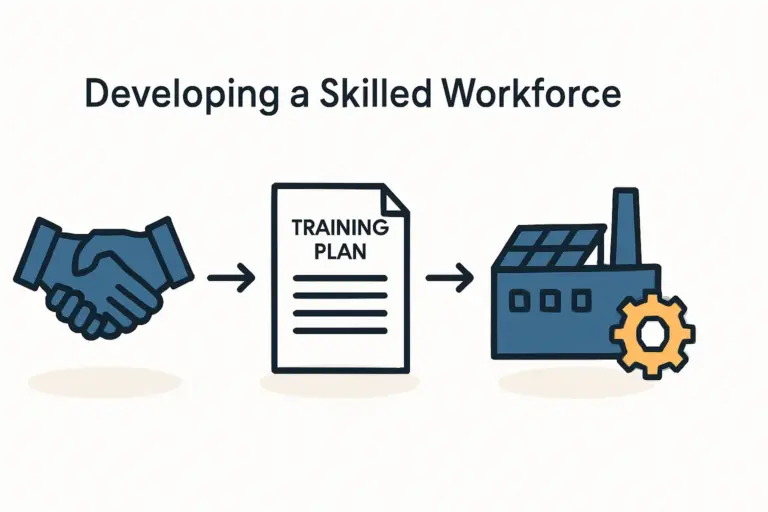
The local workforce in Sao Tome and Principe will require technical training to operate the manufacturing equipment. The business plan must incorporate a budget and timeline for skills development, potentially in partnership with vocational institutions or with the assistance of the equipment supplier.
Potential Challenges and Mitigation Strategies
No business opportunity is without its challenges. Prudent investors should consider the following:
- Supply Chain Complexity: All raw materials must be imported. This requires meticulous supply chain management to avoid production stoppages.
- Scale and Competition: A factory in Sao Tome will likely operate on a smaller scale than giga-factories in Asia. Its competitive edge will be a high-quality, regionally-available product with shorter lead times, not the absolute lowest price.
- Inter-Island Logistics: Ensuring reliable and cost-effective shipping from the factory to the port of Sao Tome is a crucial internal step that must be carefully planned.

Frequently Asked Questions (FAQ)
Is Sao Tome and Principe politically stable enough for a long-term investment?
Yes, the country is one of the most stable, multi-party democracies in Central Africa, providing a secure environment for foreign investment.
What size factory is viable for this export model?
A small- to medium-scale facility, such as 20-50 MW annual capacity, is a practical starting point. This size allows for agility and focuses on serving a specific regional niche.
Do the tax benefits of the FTZ truly outweigh the additional shipping costs?
This requires detailed financial modeling. However, for high-value goods like solar modules, the exemption from corporate tax and customs duties can create savings that far exceed the incremental shipping costs for nearby markets.
How does the AfCFTA impact this business model?
In theory, the AfCFTA should make modules manufactured in Sao Tome and Principe more competitive by reducing or eliminating import tariffs in other African member states. In practice, investors must verify the specific rules for each target country.
Conclusion and Next Steps
The idea of using Sao Tome and Principe as a solar manufacturing hub for Africa is an unconventional yet strategically sound proposition. It leverages the nation’s unique combination of geography, a stable political climate, and powerful tax incentives to create a compelling business case. This model is based on a regionally focused strategy that offers logistical advantages and financial efficiency.
For entrepreneurs and investors with the foresight to look beyond traditional manufacturing locations, this island nation presents a distinct opportunity. The logical next step for any interested party is to conduct a comprehensive feasibility study and develop a robust business plan tailored to this unique environment.