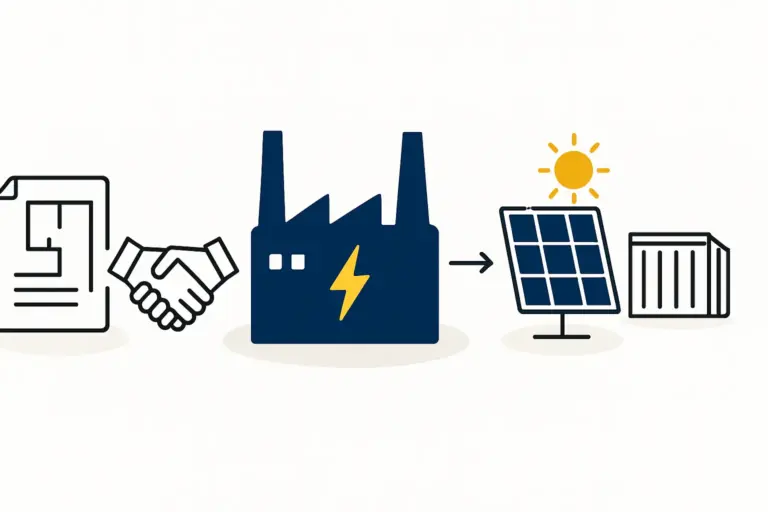
Entrepreneurs planning to establish a business in the Kingdom of Saudi Arabia will quickly encounter the term ‘Saudization.’ In the high-tech field of solar module manufacturing, this requirement can seem particularly challenging. The immediate question for many investors is how to effectively staff a factory reliant on specialized machinery and processes while meeting national employment quotas for Saudi citizens.
The key is to view Saudization not as a regulatory hurdle, but as a strategic framework for building a sustainable, highly skilled local workforce. With a structured approach to recruitment, training, and development, a new solar factory can meet its legal obligations and build a significant competitive advantage.
This guide outlines the practical steps for achieving this balance, aligning your business goals with the Kingdom’s national vision.
Understanding Saudization (Nitaqat): The Framework for Local Employment
Saudization is Saudi Arabia’s national policy for encouraging the employment of its citizens in the private sector. The primary mechanism for implementing this policy is the Nitaqat program, which classifies companies into color-coded tiers (Platinum, Green, Yellow, Red) based on their success in hiring and retaining Saudi nationals.

This policy is a cornerstone of Saudi Vision 2030, a transformative economic and social reform blueprint. A key pillar of this vision is the National Renewable Energy Program (NREP), which aims to generate 58.7 GW of renewable energy by 2030. The Public Investment Fund (PIF) is actively driving this transition, creating a substantial domestic market for solar components.
For investors, this context is critical: building a solar factory is not just an industrial venture but a direct contribution to the Kingdom’s strategic goals. A successful Saudization strategy is therefore fundamental to long-term operational success and alignment with national priorities.
The Unique Workforce Challenge in Solar Manufacturing
While a modern solar module factory is a semi-automated facility where machines handle heavy lifting and precision tasks, a skilled human team remains essential for operation, oversight, and quality control.
The challenge for a new factory is the limited pool of local talent with direct experience in photovoltaic (PV) module production. However, the necessary competencies are abundant within the Saudi workforce. The solution is to shift focus from seeking direct experience to identifying transferable skills and high potential.
Typical roles in a 20–50 MW solar factory include:
- Machine Operators: Responsible for running specific equipment like stringers, laminators, and testers.
- Quality Control (QC) Technicians: Inspecting materials and finished modules to ensure they meet international standards.
- Maintenance Technicians: Ensuring machinery operates efficiently and performing repairs.
- Engineers: Overseeing production processes, troubleshooting issues, and optimizing output.
- Logistics and Warehouse Staff: Managing the flow of raw materials and finished goods.
Building a successful, localized team begins with recognizing that motivated individuals with strong technical aptitude can fill many of these roles.
A Strategic Approach to Building a Saudi-Led Solar Workforce
A proactive, multi-stage plan is the most effective way to meet and exceed Nitaqat requirements. This approach transforms workforce development from a cost center into a strategic investment.
Phase 1: Strategic Recruitment and Sourcing
Instead of searching for non-existent ‘experienced solar module operators,’ the focus should be on sourcing candidates with the right foundation. Excellent talent pools exist within the Kingdom:
-
Technical and Vocational Training Corporation (TVTC): Graduates from TVTC institutions often possess hands-on skills in electronics, mechanics, and industrial maintenance—ideal for factory roles.
-
Universities: Institutions like King Saud University (KSU) and King Abdullah University of Science and Technology (KAUST) produce world-class engineers who can be trained for process oversight and management positions.
-
General Workforce: For operator roles, look for candidates who demonstrate attention to detail, a strong work ethic, and an interest in technology, as the specific skills for solar manufacturing are teachable.
Phase 2: Comprehensive Training and Skill Development
This is the most critical phase. A well-designed training program bridges the gap between a candidate’s potential and their on-the-job performance. Based on experience from J.v.G. turnkey projects, an effective training program includes:
-
Supplier-Led Machine Training: When setting up a turnkey solar production line, the equipment manufacturers are the best resource for hands-on training. Their experts should train the initial core team on operation, safety, and basic maintenance.
-
Classroom and Theoretical Learning: Covering the fundamentals of photovoltaic science, quality control standards (like IEC 61215), and workplace safety protocols.
-
On-the-Job Mentorship: Pairing new hires with experienced technicians or external consultants to ensure knowledge is applied correctly in a live production environment.
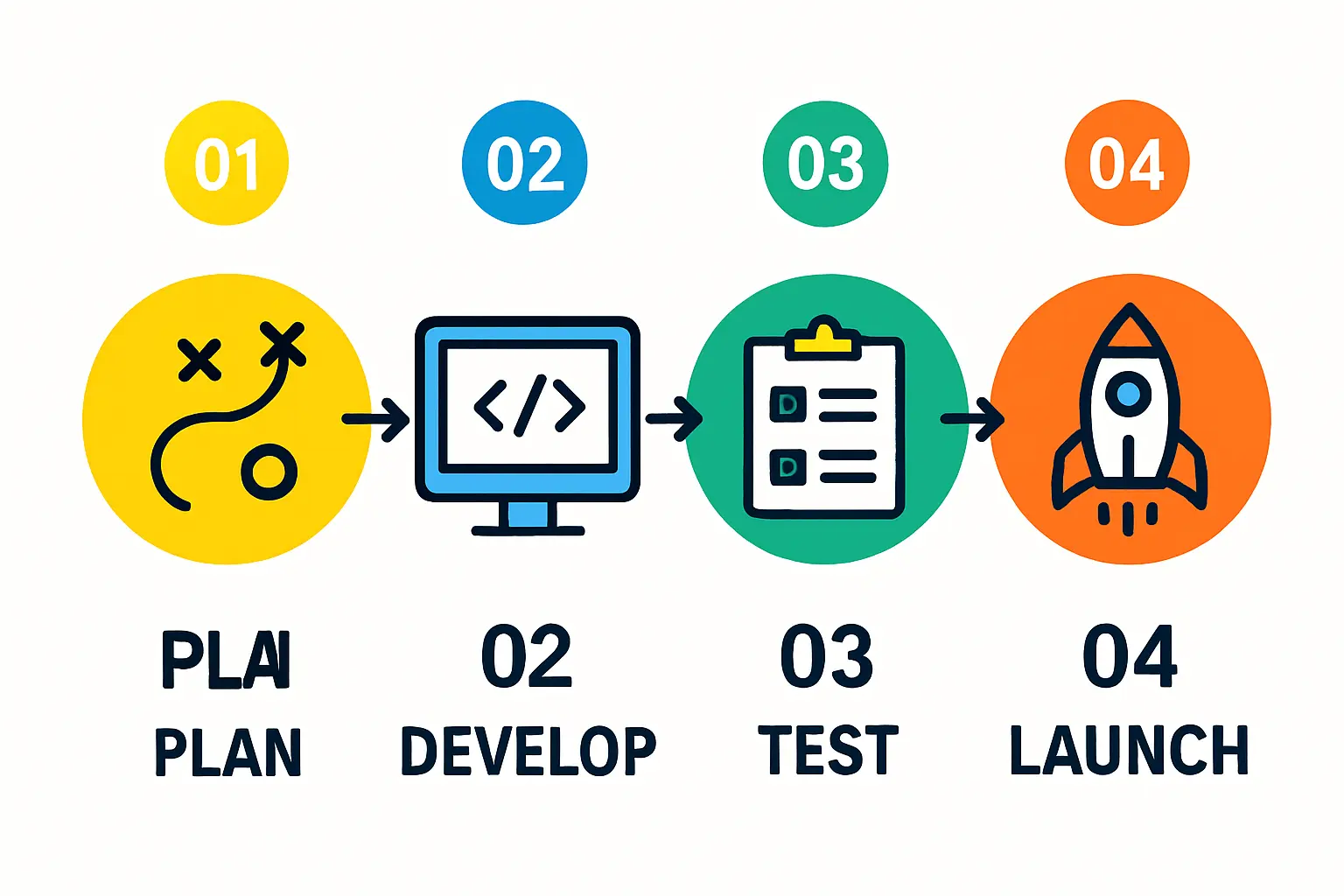
The Saudi government also offers significant support. The Human Resources Development Fund (HRDF), known as Hadaf, provides programs that can subsidize salaries and training costs for Saudi employees, reducing the initial financial burden on the company.
Phase 3: Fostering Retention and Career Growth
Recruiting and training are only the beginning. Retaining skilled employees is essential for long-term efficiency and quality. Key strategies include:
-
Clear Career Paths: Define a clear progression from an entry-level operator to a team lead, supervisor, or QC specialist. This provides motivation and demonstrates a long-term commitment to employees.
-
Continuous Skill Enhancement: Offer ongoing training opportunities as technology evolves or as the factory expands its production capabilities.
-
Competitive Compensation: Ensure salaries and benefits are competitive within the industrial sector to avoid losing talent to other industries.
By creating an environment where employees can build a lasting career, a factory secures its workforce while fostering a culture of excellence and loyalty.
Frequently Asked Questions (FAQ) for Investors
- What is a realistic Saudization percentage for a new solar factory?
This depends on the specific business activity code and the corresponding Nitaqat requirements. A common strategy is a phased approach, initially focusing on hiring Saudi nationals for administrative, logistics, and operator roles. Key senior technical positions can be reserved for experienced expatriates who lead the knowledge transfer process. The goal is to steadily increase the percentage as the local team gains expertise.
- Can foreign experts be hired for critical roles?
Yes, and it is often necessary for positions like Head of Production or Chief Technical Officer. However, a successful Nitaqat strategy requires a clear and documented plan for these experts to train and mentor their Saudi successors over a defined period.
- Are there direct government incentives for hiring Saudi nationals?
Absolutely. Beyond the HRDF (Hadaf) programs that support training and salaries, achieving higher Nitaqat tiers (e.g., Green or Platinum) provides significant benefits. These include streamlined visa processing for any required expatriate staff and preferential treatment in government tenders.
- How long does it take to fully train a new machine operator?
Basic operational skills for a single machine can typically be learned in two to four weeks. However, achieving true proficiency—understanding quality nuances, performing basic troubleshooting, and working efficiently—often takes three to six months of consistent, supervised on-the-job experience.

Conclusion: Saudization as a Competitive Advantage
Meeting Saudization requirements in a specialized industry like solar panel manufacturing is entirely achievable with forward planning and a commitment to workforce development. By looking beyond direct experience to focus on aptitude, investing in robust training programs, and creating clear pathways for career growth, an investor can build a capable and loyal local team.
This approach does more than satisfy a legal requirement. It creates a resilient, cost-effective operation that is deeply integrated into the local economy and fully aligned with the ambitious goals of Saudi Vision 2030. In the long run, a well-trained Saudi workforce is not a compliance measure—it is one of the most valuable assets a solar factory can possess.