Disclaimer: This case study represents a composite example derived from real-world
consulting work by J.v.G. Technology GmbH in solar module production and factory optimization. All data points are realistic but simplified for clarity and educational purposes.
Saudi Arabia’s Vision 2030 is more than a plan—it is one of the most ambitious national transformations in modern history. At its heart are giga-projects like NEOM, The Red Sea Project, and Qiddiya: developments on a scale that redefines both engineering and supply chain logic. The Kingdom’s goal of generating 58.7 GW from renewable sources by 2030, with NEOM alone projected to require over 20 GW of solar capacity, presents a monumental industrial opportunity.
However, supplying these projects is a challenge fundamentally different from competing in the conventional solar market. It requires a paradigm shift from opportunistic supply to dedicated, high-specification manufacturing. For the discerning investor, this challenge represents a strategic entry point into the region’s core industrial future. This article outlines an investment framework for establishing a dedicated turnkey factory engineered to meet the unique demands of these nation-building initiatives.
Understanding the Unique Demands of Giga-Projects
Supplying a project like NEOM is not a standard procurement exercise. Its financiers, developers, and offtakers operate under a mandate that prioritizes long-term performance, technological resilience, and supply chain certainty. Manufacturers must meet a unique combination of technical, logistical, and regulatory requirements.
Technical Specification: Beyond Standard Modules
The desert environment of Saudi Arabia is one of the most challenging in the world for photovoltaic technology. Standard solar modules, designed for more temperate climates, face accelerated degradation from a host of environmental stressors:
-
Extreme Temperatures: High ambient temperatures can significantly reduce module efficiency and lifespan.
-
Abrasive Sandstorms: Wind-blown sand can cause micro-scratches on module surfaces (abrasion), reducing light transmission and performance over time.
-
High UV Radiation: Intense and prolonged exposure to ultraviolet radiation can accelerate the aging of materials used in module construction, such as the backsheet and encapsulants.
These conditions necessitate modules engineered specifically for the desert. This means moving beyond standard specifications to incorporate features that ensure durability and sustained energy yield for 25 years or more.

Logistical and Regulatory Imperatives
Beyond the technical hardware, two business realities shape the supply strategy:
-
Local Content Requirements: Programs like the In-Kingdom Total Value Add (IKTVA) create powerful incentives for local manufacturing. A local factory not only contributes to the national economy but also gains preferential status in the procurement process, making any reliance on imports a competitive disadvantage.
-
Supply Chain Certainty: Giga-projects operate on extremely tight and complex construction schedules. The logistical challenge of importing tens of thousands of modules to remote sites, subject to global shipping delays and port congestion, introduces significant project risk. A dedicated local factory provides predictable, just-in-time delivery, de-risking the project timeline for the main contractor.
The Case for a Dedicated Turnkey Production Facility
To meet these specialized demands, a dedicated solar module manufacturing plant is the most logical and strategic solution. Such a facility is not intended to compete in the broad export market but is purpose-built to serve a primary, high-volume client—the giga-project itself.
The turnkey approach is particularly well-suited for entrepreneurs and investors entering the solar manufacturing space for the first time. It consolidates the immense complexity of plant design, equipment procurement, process integration, and staff training with a single, experienced engineering partner. Based on experience gained from European PV manufacturers’ turnkey projects, this method significantly shortens the timeline from an investment decision to the production of the first certified module.
This approach offers three core advantages:
-
Engineered for a Specific Output: The production line can be designed from the ground up to produce a specific type of high-performance module, such as one incorporating DESERT+ solar module technology. This ensures every component and process is optimized for desert durability and performance.
-
Integrated Quality Assurance: To meet the stringent bankability requirements of project financiers, quality control cannot be an afterthought. A modern turnkey line embeds automated quality checks—such as electroluminescence (EL) and visual inspection—at every critical stage, ensuring 100% traceability and compliance.
-
Reduced Time-to-Market: Instead of navigating a complex web of dozens of equipment suppliers and integrators, the investor works with a single partner responsible for delivering a fully operational factory.
An Investment and Implementation Framework
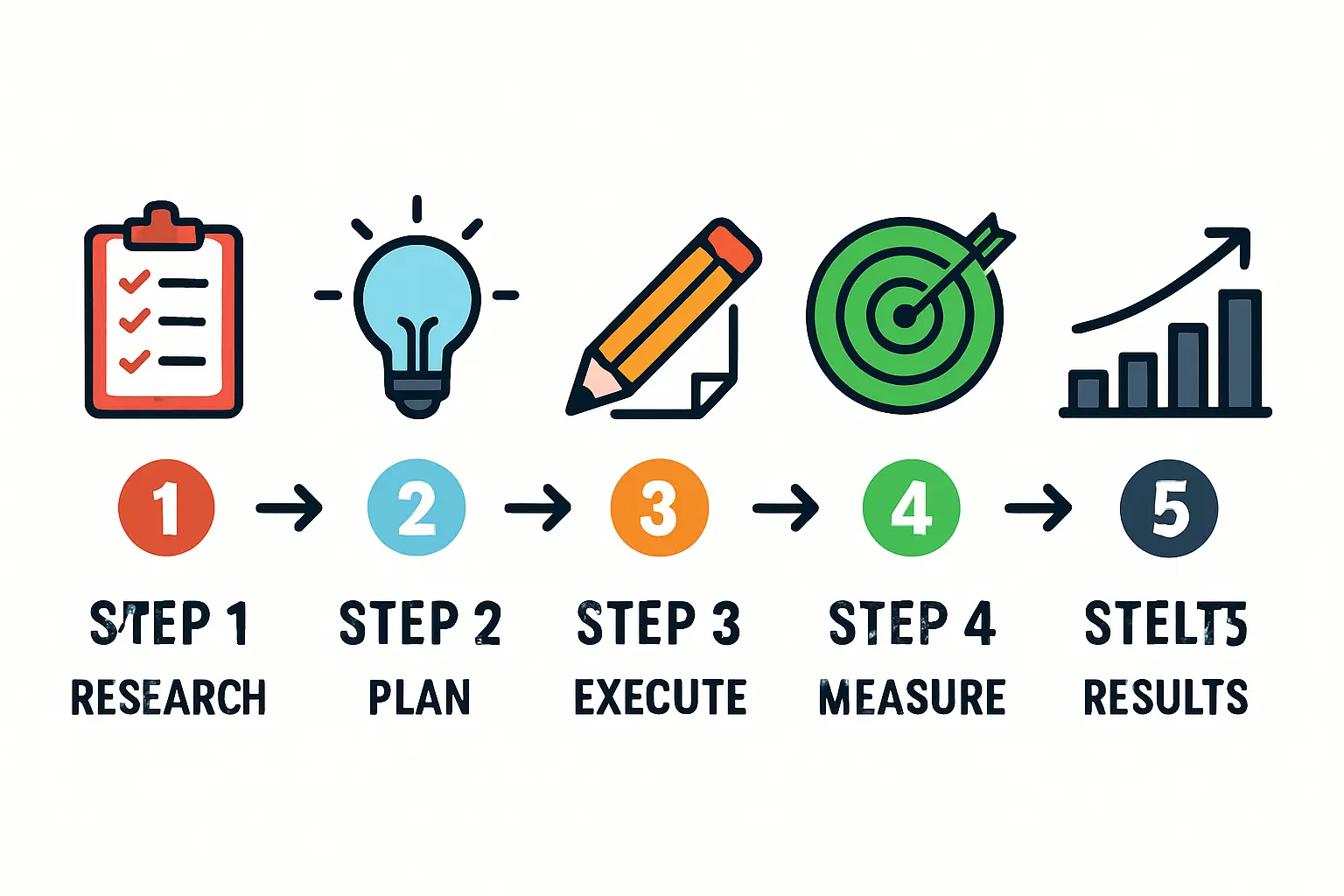
Establishing a dedicated factory requires a structured, phased approach. While the exact figures depend on capacity and technology, this framework outlines the critical stages.
Phase 1: Strategic Planning & Feasibility (Months 1-3)
This initial phase is about due diligence and building a robust business case. It transforms a general interest in solar into a detailed financial and operational plan.
-
Business Plan Development: Define the target production capacity (e.g., 250 MW per year), the specific module technology required by the giga-project, and the target production cost.
-
Calculating the Initial Investment: A comprehensive assessment of the initial investment is crucial. This includes costs for the building, production machinery, raw material supply chain setup, and operational working capital. A typical 250 MW line represents a significant but manageable industrial investment.
-
Technology Partner Selection: Choosing an engineering partner with a proven track record in delivering turnkey solutions is arguably the most critical decision. The right partner provides not just machinery but also process knowledge and training.
Phase 2: Turnkey Implementation (Months 4-10)
With the plan approved and financing in place, the project moves into execution.
-
Factory Design & Layout: The engineering partner designs the optimal layout for material flow, production efficiency, and quality control within the selected building.
-
Equipment Procurement & Logistics: All machinery—from the cell stringer to the final laminator and tester—is procured, shipped, and installed by the turnkey provider.
-
Installation & Commissioning: A team of specialized engineers oversees the installation and commissioning of the entire production line, ensuring all machinery operates as a single, integrated system.
Phase 3: Ramp-Up & Certification (Months 11-12)
The final phase transitions the installed line into a fully operational factory.
-
Team Training: The local workforce is trained on machine operation, quality control protocols, and maintenance procedures. This knowledge transfer is a core component of a successful turnkey project.
-
Pilot Production & Certification: The factory begins producing its first modules, which undergo rigorous internal and third-party testing to achieve certifications (e.g., IEC, TÜV) required by the project offtaker.
-
Full Production: Upon certification, the factory ramps up to its target capacity, ready to begin fulfilling the high-volume orders for the giga-project.
With a structured process and the right expertise, a new solar module factory can be operational in under a year, positioning the investor as a key supplier for one of the world’s most significant construction endeavors.

Frequently Asked Questions (FAQ)
What is a realistic initial investment for a 250 MW dedicated factory?
While market-dependent, the investment for machinery, installation, and initial training for a highly automated 250 MW line typically falls within a defined range. A precise figure requires a detailed business plan, which can be developed with a consulting partner.
How many employees are required to operate such a facility?
A modern, semi-automated 250 MW line can often be run with 80–120 employees across shifts, including production operators, quality control technicians, maintenance staff, and management.
What are the primary operational risks?
The main risks are securing a consistent supply of high-quality raw materials (cells, glass, encapsulants) and maintaining stringent quality control. A turnkey partnership often includes support in establishing these supply chains and quality protocols.
Can this factory serve other markets in the future?
While designed for a primary client, the production line is typically flexible. Once the initial supply contract is fulfilled, the factory can be adapted to produce modules for other utility-scale, commercial, or even residential markets in the region.
Securing a Strategic Role in Vision 2030
The opportunity presented by projects like NEOM is not simply to sell a commodity. It is an opportunity to build critical industrial infrastructure that aligns directly with the goals of Saudi Vision 2030. For entrepreneurs and established businesses, establishing a dedicated solar module factory is a strategic investment in the future of the Kingdom.
By leveraging a proven turnkey framework and partnering with experienced engineers, investors can mitigate the technical complexities and focus on the strategic goal of becoming a cornerstone supplier to the world’s most ambitious projects. The path from initial concept to a fully operational plant is clear, structured, and achievable within a highly favorable timeframe.
Download the Saudi Giga-Project Investment Case Study (PDF)
Author: This case study was prepared by the
turnkey solar module production specialists at J.V.G. Technology GmbH
It is based on real data and consulting experience from J.v.G. projects
worldwide, including installations ranging from 20 MW to 500 MW capacity.