For many international investors and entrepreneurs, the prospect of building a solar module factory in Senegal is often viewed through the lens of its domestic potential. With its stable governance and growing energy needs, Senegal makes a compelling case on its own. But this perspective often misses the bigger picture: Senegal is not just a market; it is a gateway to the entire West African Economic and Monetary Union (WAEMU), a single economic zone of over 120 million consumers.
Investing in local manufacturing in Senegal, then, is not merely a plan to supply one nation. It’s a strategic move to establish a competitive production hub with preferential access to eight countries. This article explores the business logic behind this regional vision, focusing on the customs and trade advantages of producing ‘Made in Senegal’ solar modules for export across West Africa.
Understanding the WAEMU: A Single Market Opportunity
The West African Economic and Monetary Union, known by its French acronym UEMOA, is an economic bloc comprising eight member states: Benin, Burkina Faso, Côte d’Ivoire, Guinea-Bissau, Mali, Niger, Senegal, and Togo. Established in 1994, its primary goal is to foster economic integration among its members.
For businesses, two features are critically important: a common currency (the West African CFA franc) and, most significantly, a customs union. This union means goods produced in one member state can be sold in any other without incurring import duties. The result is a large, unified domestic market. For an entrepreneur considering a production facility, this transforms the initial investment requirements from a single-country project into a regional export strategy.
The collective energy demand in this region is substantial and growing. Unreliable national grids and vast rural areas without electricity create a powerful, sustained demand for solar solutions—from small home systems to large-scale commercial installations.
The Core Advantage: Bypassing Tariffs with Local Production
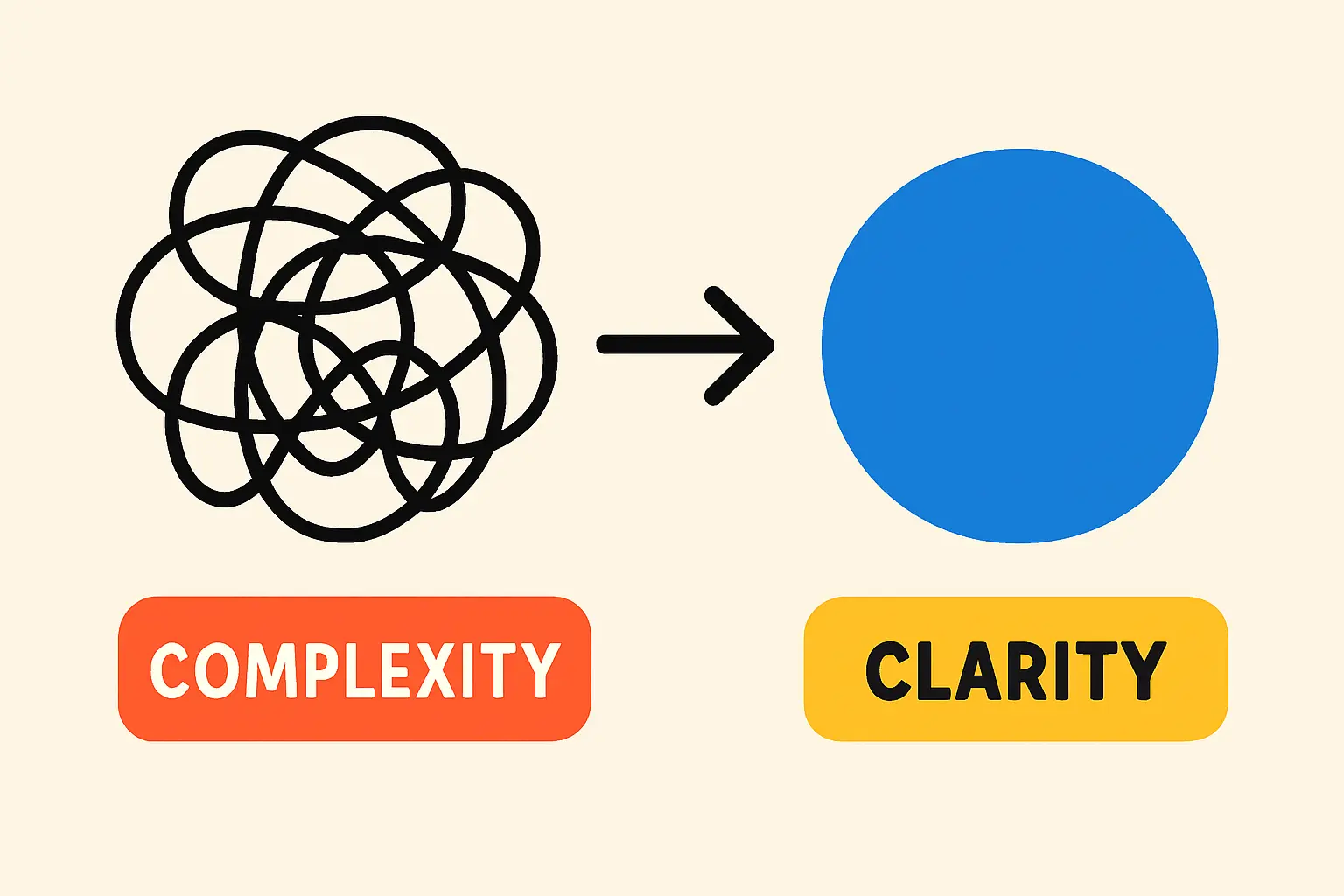
The key to the ‘Made in Senegal’ business case lies in the WAEMU’s customs policy. The bloc maintains a Common External Tariff (CET) on goods imported from outside the union. Any solar module imported from China, Europe, or North America is subject to these tariffs and associated import taxes, adding a significant layer of cost.
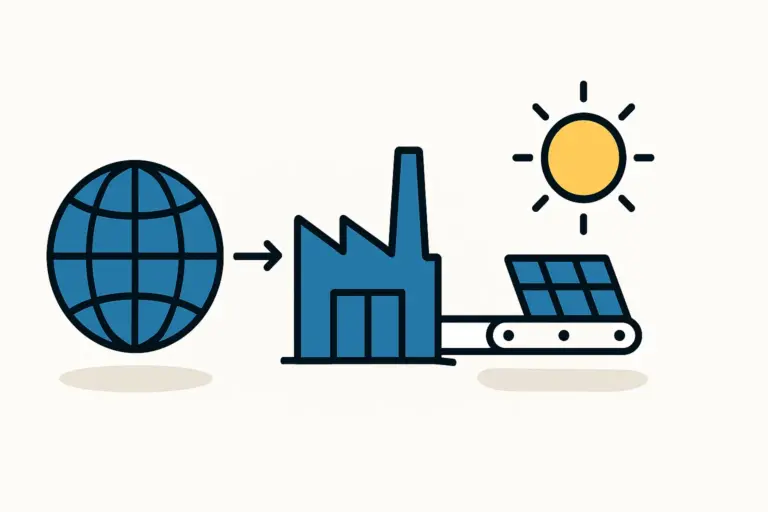
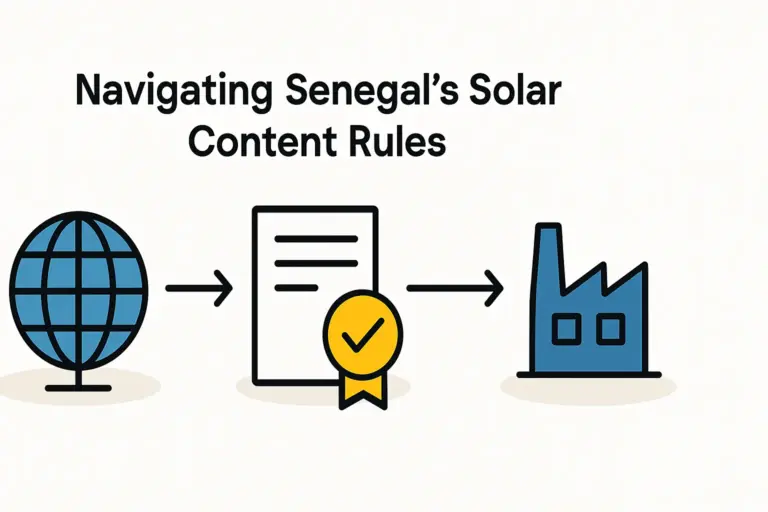
A factory in Senegal, however, operates inside this customs barrier. As long as its products meet the WAEMU’s ‘rules of origin’—which typically require a certain level of local value to be added during manufacturing—its solar modules are classified as community goods. These goods can then be exported to Mali, Côte d’Ivoire, or any other member state completely free of customs duties.
This creates a structural price advantage that importers cannot easily match. For a buyer in a neighboring country, the final cost is significantly lower, making locally produced modules the more economical choice.
This tariff advantage fundamentally reshapes the competitive landscape, positioning a Senegalese manufacturer not just as a local player but as a dominant regional supplier.
Why Senegal is a Strategic Hub for Regional Manufacturing
While any WAEMU member state offers the same tariff benefits, Senegal provides a unique combination of factors that make it an ideal logistical and operational base.
Political and Economic Stability
For any long-term capital investment, stability is paramount. Senegal has a long history of democratic governance and political stability, making it one of the most secure investment destinations in the region. The country’s strong business environment in Senegal is bolstered by proactive government policies aimed at attracting foreign investment, such as the Plan Sénégal Émergent (PSE).
Logistical Infrastructure
Senegal’s strategic location on the Atlantic coast, coupled with the modern Port of Dakar, makes it a natural logistical hub. This infrastructure is critical for two reasons:
-
Importing Raw Materials: A solar module factory needs to import materials like solar cells, glass, and aluminum frames. The efficiency of the Port of Dakar minimizes delays and costs for these essential inputs.
-
Exporting Finished Goods: Well-established road networks connect Dakar to landlocked neighbors like Mali and Burkina Faso, facilitating efficient and cost-effective distribution of finished solar modules across the region.

Government Support and a Skilled Workforce
The Senegalese government actively promotes the renewable energy sector. Investors can often benefit from incentives, streamlined administrative processes, and a supportive regulatory framework. The country also has a growing pool of educated and skilled labor, essential for operating a sophisticated manufacturing facility.
From Concept to Reality: The Practical Steps
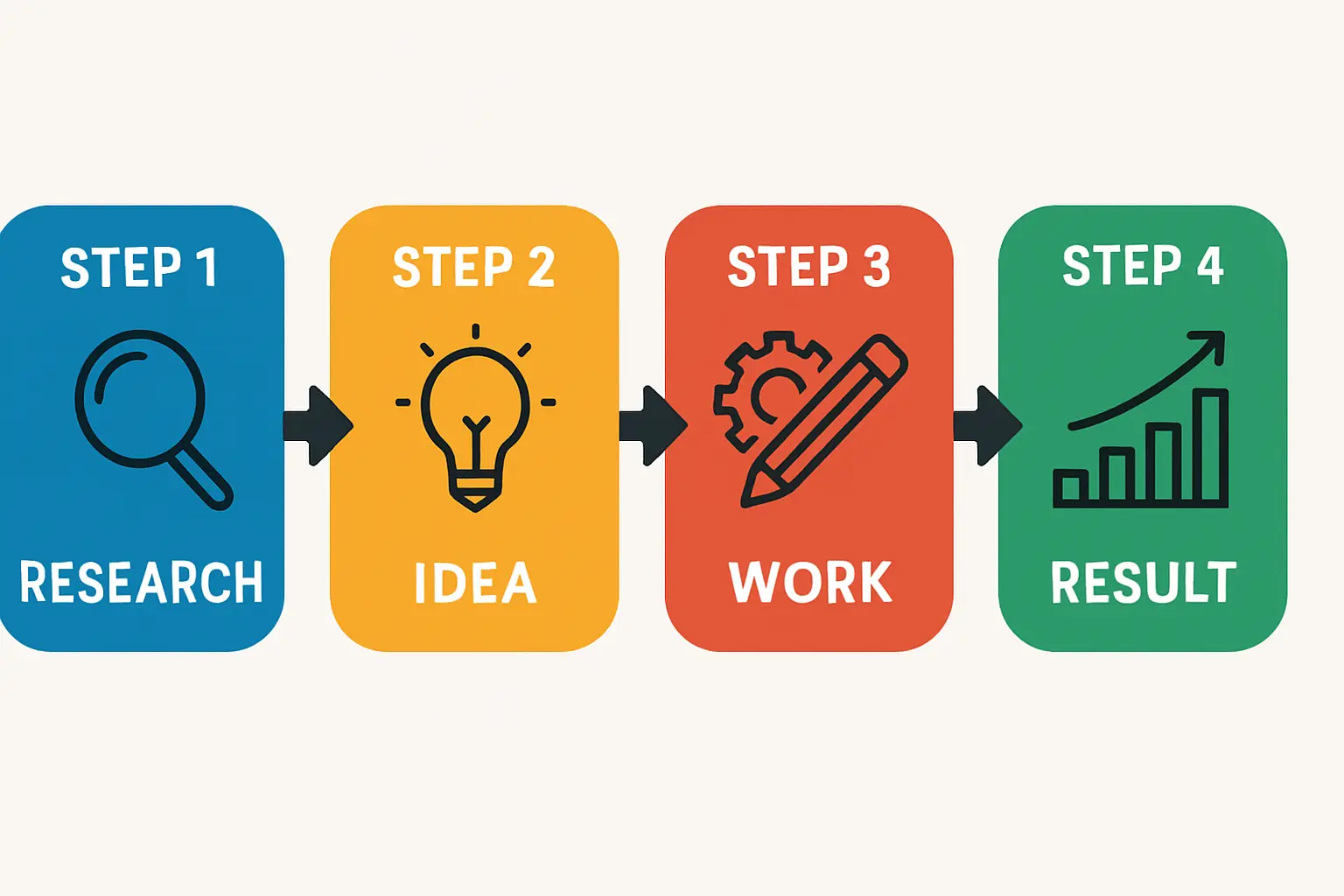
Transforming this regional opportunity into a successful enterprise requires a structured approach. Based on J.v.G.’s experience with turnkey projects in similar emerging markets, achieving the local value-add required for duty-free status is a well-defined process.
The first step is a comprehensive feasibility study and a detailed solar module manufacturing business plan. This plan must analyze not only production costs but also regional logistics, market demand in neighboring countries, and the specific requirements for meeting WAEMU rules of origin.
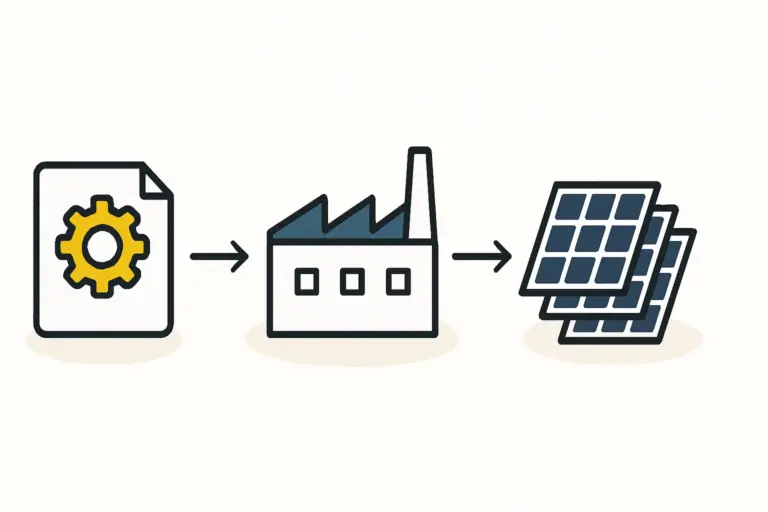
For entrepreneurs new to the photovoltaics industry, engaging with partners who provide a turnkey solar module factory solution is often the most efficient path forward. This approach consolidates the complex tasks of line design, equipment sourcing, installation, and staff training under a single, experienced provider, mitigating risks and accelerating the timeline to full production.
Frequently Asked Questions (FAQ)
What are the ‘rules of origin’ for WAEMU?
In simple terms, ‘rules of origin’ are the criteria used to determine a product’s national source. To qualify for duty-free trade within the WAEMU, goods must be wholly obtained or have undergone ‘sufficient working or processing’ within a member state. For solar module assembly, this typically means the value added locally—through labor, assembly, and local materials—must constitute a certain percentage of the product’s final ex-works price. A detailed analysis is a key part of the initial business planning.
How large is the demand for solar in the WAEMU region?
The demand is immense and multifaceted. It ranges from small-scale solar home systems for rural electrification to medium-sized commercial and industrial (C&I) rooftop installations for businesses seeking to cut energy costs and overcome grid instability. There is also a growing demand for utility-scale solar farms to strengthen national energy supplies. Local manufacturing can cater to all these segments.
What is the typical timeline for setting up a factory?
With a structured approach and an experienced turnkey partner, a medium-sized production line (e.g., 20-50 MW annual capacity) can become fully operational within 12 to 18 months of the final investment decision. This timeline includes planning, equipment procurement, shipping, installation, and commissioning.
Conclusion: A Regional Vision for a Local Investment
Viewing a solar manufacturing project in Senegal through a purely domestic lens overlooks its true potential. The strategic value lies in its position as a duty-free production hub for the entire WAEMU region. By leveraging the customs union, an investor can build a business that outcompetes international importers on price and delivery time across eight different countries.
This approach transforms a national project into a regional powerhouse, directly addressing West Africa’s growing energy needs with locally produced, cost-competitive technology. For the discerning entrepreneur, the business case is clear: manufacturing in Senegal is not just about powering one country, but about building an energy future for an entire economic region.