When selecting a location for a new solar module factory, the decision often comes down to standard criteria: labor costs, logistics, and local tax incentives. While these are vital considerations, the forward-thinking investor looks for a more nuanced factor offering a significant long-term competitive edge—a country’s strategic trajectory.
As a candidate for European Union membership, Serbia presents a unique case. Its gradual integration into the EU framework is not just a distant political event, but an unfolding business opportunity for those who recognize its implications. This article explores the strategic advantages of establishing a solar module manufacturing operation in Serbia, focusing on the long-term value created by its path toward EU accession.
Understanding the EU Accession Process: More Than Just a Finish Line
Joining the European Union requires a country to undergo a rigorous, often lengthy process of aligning its laws, regulations, and economic structures with EU standards. Serbia, which was granted candidate status in 2012, is actively progressing on this journey.
For investors, the benefits begin long before full membership is achieved. The accession process itself fosters a predictable, stable, and increasingly integrated business environment. A key benefit already in place is the Stabilisation and Association Agreement (SAA), which grants Serbian-made products—including solar modules—tariff-free access to the EU’s vast single market. This immediately puts a Serbian factory on a level playing field with producers inside the EU regarding trade duties.
The Phased Advantage: How Regulatory Alignment De-Risks Your Investment
The core of the accession process is the adoption of the Acquis Communautaire—the entire body of EU law. For a manufacturer, this means a gradual, structured alignment with EU product standards, environmental regulations, and safety protocols.
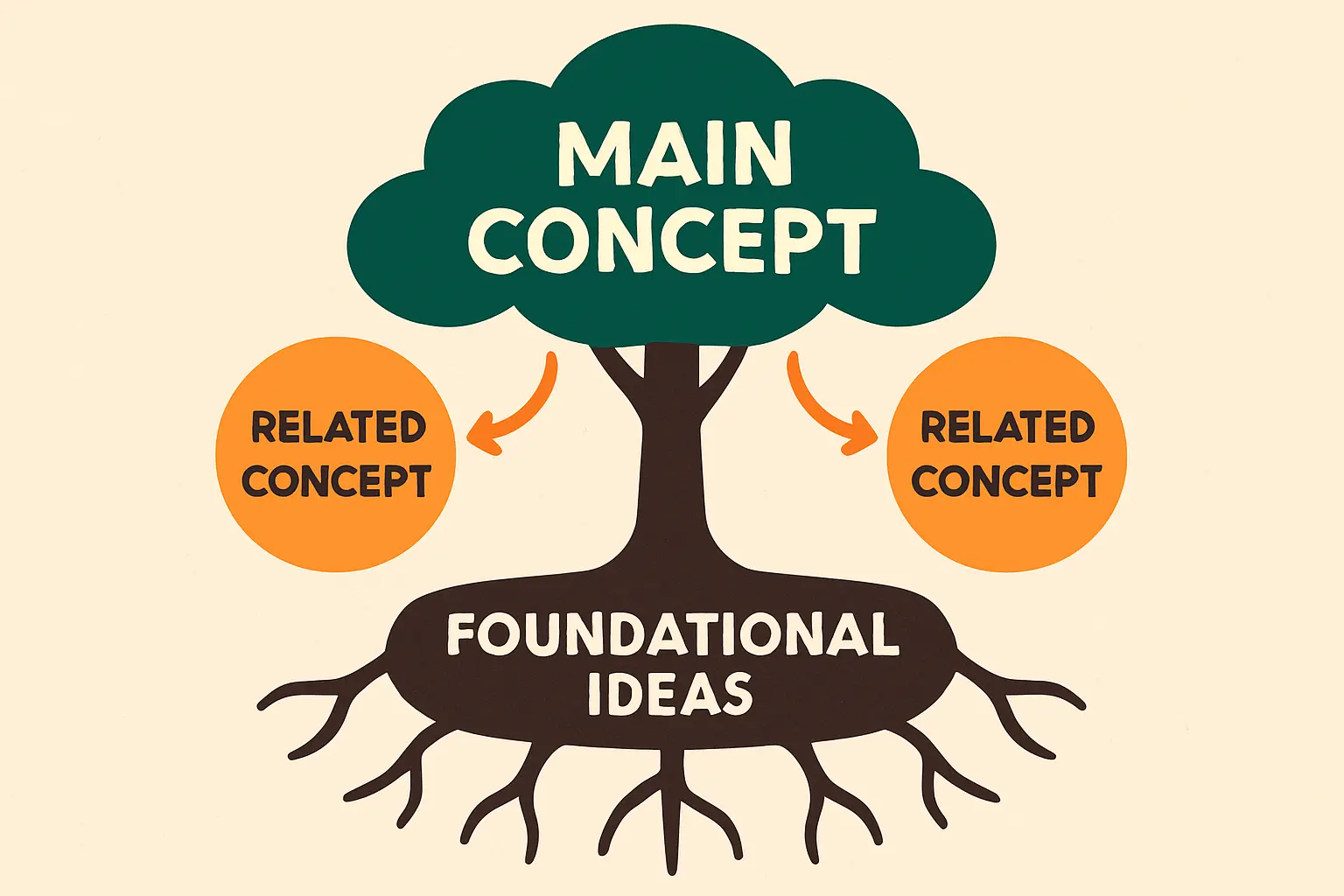
Instead of being a burden, this process serves as a guided roadmap for building a future-proof manufacturing operation. A factory established in Serbia today can be designed from the ground up to meet the very standards required for seamless market access in the future. This includes critical certifications and directives such as:
-
CE Marking: A mandatory conformity marking for products sold within the European Economic Area. Building a production line with CE compliance in mind from day one prevents costly retrofitting later.
-
WEEE Directive: Regulates the disposal and recycling of waste electrical and electronic equipment, an increasingly important factor for sustainability-conscious markets.
-
Eco-design and Energy Labelling: EU regulations that set efficiency and performance standards for energy-related products.
This phased alignment means that by the time Serbia achieves full membership, a factory located there will face no sudden regulatory hurdles. It will have matured in an environment that mirrors the EU’s, ensuring its products are compliant from day one. As our guide on solar panel quality standards explains, these certifications are essential for sustained market access.
Unlocking Financial and Infrastructural Support
The EU actively supports candidate countries through financial instruments designed to accelerate reforms and infrastructure development. The primary tool is the Instrument for Pre-accession Assistance (IPA).
While these funds might not flow directly to a private manufacturing plant, their impact on the broader business environment is substantial. IPA funds are often directed toward:
-
Infrastructure Upgrades: Improving road networks, rail links, and port facilities, which reduces logistics costs and increases supply chain efficiency.
-
Energy Grid Modernization: Enhancing the stability and capacity of the national power grid—a critical factor for any energy-intensive manufacturing process.
-
Private Sector Development: Programs aimed at improving the business climate, supporting innovation, and fostering a skilled workforce.
Our experience with turnkey projects in emerging markets confirms that access to such development funds can significantly improve the foundational conditions for a successful factory launch, reducing operational risks common elsewhere.
Market Integration: Beyond Tariffs
While the SAA provides tariff-free access, full EU membership promises a deeper level of integration that streamlines operations and expands market reach. A factory in Serbia would eventually benefit from the EU’s ‘Four Freedoms’: the free movement of goods, services, capital, and people.
In practice, this translates to:
-
Frictionless Logistics: The elimination of customs checks at borders with EU member states, dramatically speeding up delivery times and reducing administrative overhead.
-
Standardized Supply Chains: Easier sourcing of components and raw materials from suppliers across the EU.
-
Access to a Market of 450 Million: Seamless entry into one of the world’s largest and most affluent consumer markets for renewable energy products.
Establishing a manufacturing base in Serbia is a strategic move that capitalizes on this future integration. It allows a business to build its presence and brand recognition from a cost-effective location while preparing for unrestricted access to the entire EU.

A Case for Long-Term Stability
For any significant capital investment like a solar factory, political and economic stability are paramount. The EU accession process acts as a powerful anchor for reform, encouraging good governance, the rule of law, and predictable economic policies.
This gives investors greater confidence that their investment will be protected by a stable and progressively improving legal and financial framework. This long-term stability is a crucial, though often overlooked, asset. Understanding the local economic landscape, including factors like political stability and regulatory trajectory, is a key part of our solar business plan services for assessing long-term project viability.
Frequently Asked Questions (FAQ) for Investors
What if Serbia’s accession takes another decade?
The primary advantage lies in the accession process, not the final date of entry. The ongoing regulatory alignment, EU-funded infrastructure improvements, and existing tariff-free market access provide tangible benefits today. This long-term perspective progressively de-risks the investment.
Are there any immediate benefits to manufacturing in Serbia now?
Yes. The most significant immediate benefits are tariff-free access to the EU market via the SAA, a competitive cost base for labor and operations, and a central geographic location in Southeast Europe.
How does this compare to manufacturing inside an existing EU country?
Manufacturing in an established EU country like Germany or Poland offers immediate, full integration but often comes with higher operational costs. Serbia presents a balanced proposition: a lower cost base combined with a clear and structured path toward the same level of integration. It’s a strategy designed to capture future value.
What specific EU standards should a new solar factory be prepared for?
A new factory should plan for compliance with IEC standards (which are harmonized with EU EN standards), CE marking requirements, the WEEE (Waste Electrical and Electronic Equipment) directive for product end-of-life, and REACH regulations concerning chemical substances.
Conclusion: Thinking Beyond Today’s Bottom Line
Choosing a location for a solar module factory is a decision with decade-long consequences. While immediate costs are important, the strategic value of a location’s long-term trajectory can be the deciding factor for its ultimate success.
Serbia’s EU candidacy offers a unique combination of current cost advantages and a predictable, de-risked path into the heart of the European single market. For the discerning investor, this represents an opportunity not just to build a factory, but to create a strategic asset positioned for sustained growth in one of the world’s most important renewable energy markets.