Sourcing and Training a Workforce for Solar Module Production in Serbia: An Investor’s Guide
While investors considering a new manufacturing venture often focus first on machinery and capital, experience shows that the success of a solar production facility depends equally—if not more—on the quality and availability of its workforce. Although Serbia may be known for its traditional industries, its evolving labor market presents a compelling, and often overlooked, opportunity for entrepreneurs in the renewable energy sector.
This guide offers investors a practical analysis of the Serbian labor market for establishing a solar module factory, covering the availability of skilled labor, typical salary expectations, and effective strategies for transforming a local workforce into a high-performing production unit.
The Strategic Advantage of Serbia’s Labor Market
Serbia’s position as a manufacturing hub is reinforced by its strategic location and stable economic environment. For investors, these factors result in reduced logistical complexity and a predictable operational landscape.
With GDP growth of 2.5% in 2023 and a projection of 3.5% for 2024, the country shows consistent economic resilience. This stability is underscored by its success in attracting €4.5 billion in Foreign Direct Investment (FDI) in 2023 alone.
Key industrial regions, such as Vojvodina (including Novi Sad and Subotica) and Central Serbia (Belgrade, Kragujevac, Niš), are established centers for manufacturing and logistics. These areas offer access to developed infrastructure and a workforce accustomed to industrial production standards. Furthermore, Serbia’s free trade agreements with the EU, CEFTA, EFTA, Russia, and Turkey offer significant advantages for exporting finished solar modules.

Understanding the Labor Pool: Skills and Availability
Finding a local labor pool with the necessary skills is a primary concern for any new industrial project. In Serbia, a long history of industrial and technical education has created a solid foundation of talent that can be adapted for solar module manufacturing.
Technical and Manual Labor
Serbia’s education system includes a strong network of vocational high schools and technical universities, producing graduates with foundational knowledge in mechanics, electronics, and engineering. This existing talent is a critical asset. While direct experience in photovoltaics may be limited, skills from the automotive, electronics, or other precision manufacturing sectors are highly transferable to solar module manufacturing.
The national unemployment rate stood at 9.2% in late 2023. Notably, youth unemployment was significantly higher at 26.6%, indicating a substantial pool of younger, adaptable candidates ready to enter the workforce and be trained for specialized roles.
Regional Variations
The concentration of skilled labor is highest in the established industrial zones. An investor setting up a facility in or near Belgrade, Novi Sad, or Niš will find a larger and more diverse pool of candidates, including engineers, technicians, and administrative professionals. Sourcing labor in more rural areas may require more intensive training initiatives but could offer greater employee loyalty and lower operational costs.
Ready to make big Profits?
The solar Industry is Booming
WE HELP NEWCOMERS to the solar industry start their own solar module production line. Customers can make BIG PROFITS by selling modules and finding investors, without wasting money and time on things they don't need!
Financial Considerations: Salaries and Labor Costs
A clear understanding of compensation is fundamental to financial planning. Serbian labor costs remain competitive compared to the wider European average, though investors must budget for the complete compensation package, not just the base salary.
Salary Benchmarks
As of January 2024, the average gross monthly salary in Serbia was approximately €1,058 (RSD 123,971). However, salaries for manual and semi-skilled production roles are closer to the national minimum wage, which was set at a net monthly income of around €402 (RSD 47,154) for 2024. Skilled technicians and line supervisors can expect to command salaries between these two figures, while engineers and management will be at or above the national average.
Total Labor Costs
Beyond gross salary, employers must make social security contributions of approximately 15% of the gross salary. These contributions cover pensions, health insurance, and unemployment benefits. Factoring these additional costs into a financial model is essential for accurately calculating a project’s total investment requirements.
Structuring Your Solar Factory Workforce
A typical semi-automated solar production line with an annual capacity of 20–50 MW can operate efficiently with a team of 25 to 30 employees per shift.
Typical Team Composition
The workforce typically comprises several key groups, each with distinct responsibilities. A well-balanced team ensures a smooth workflow from raw material intake to final module testing and shipment.
-
Production Operators (approx. 70%): These individuals form the core of the production team, responsible for operating machinery such as stringers, laminators, and testers.
-
Technicians (approx. 15%): Skilled technicians handle machine setup, calibration, routine maintenance, and troubleshooting. Their technical background is crucial for minimizing downtime.
-
Logistics & Administration (approx. 10%): This group manages warehousing, material handling, shipping, and general administrative tasks.
-
Management & Quality Control (approx. 5%): This includes the plant manager, shift supervisors, and dedicated quality control personnel who ensure that all modules meet certification standards.
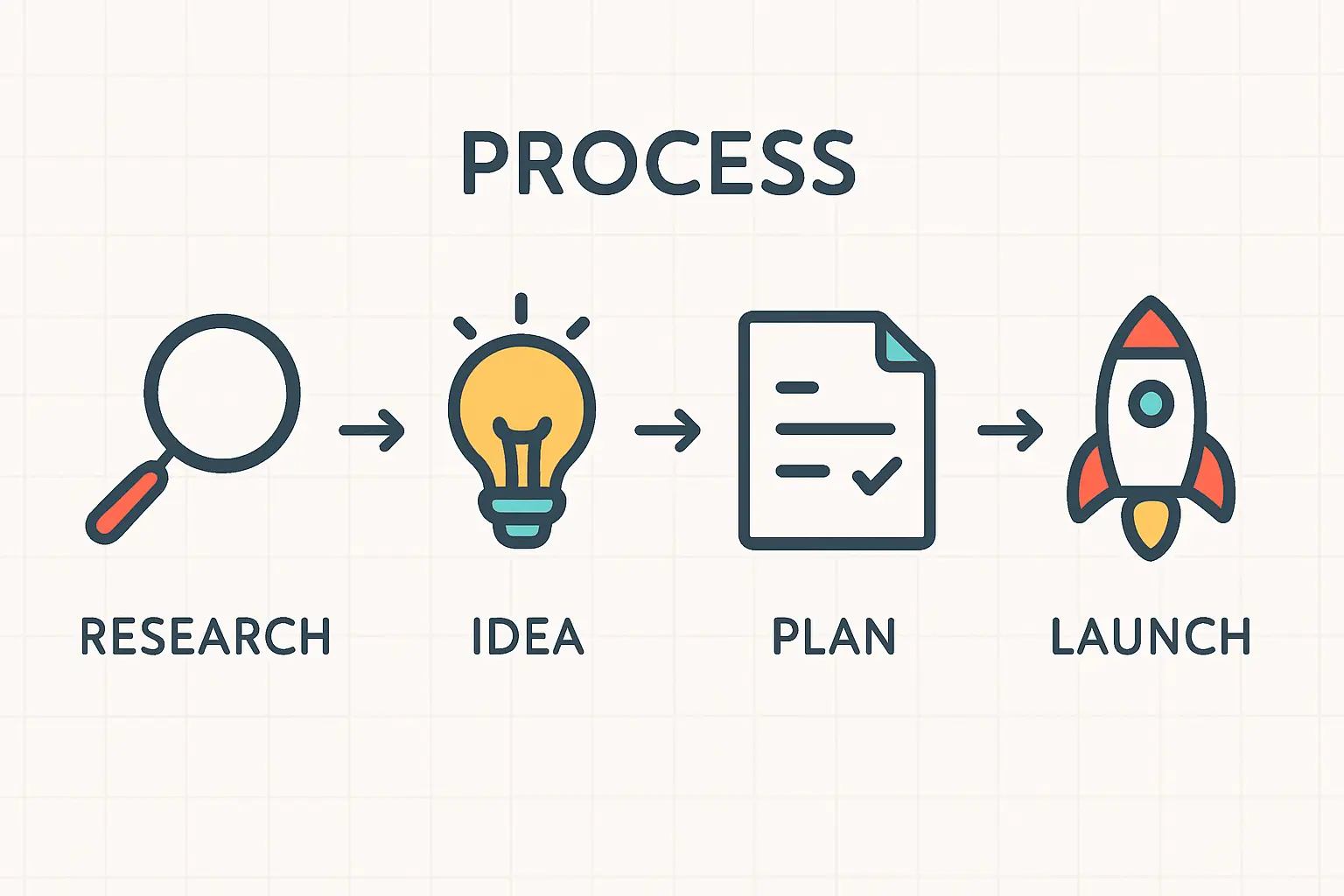
From Recruitment to Production: A Training Framework
Since experience in solar manufacturing is not widespread in Serbia, a structured training program is non-negotiable. The goal is to build expertise internally by leveraging the workforce’s existing technical aptitude. Experience from J.v.G. turnkey projects shows that a well-designed training plan can make a new team fully operational within weeks.
A Phased Training Approach
A successful training program is typically divided into phases:
-
Classroom Instruction: The initial phase covers the fundamentals of photovoltaic technology, workplace safety protocols, and quality standards. This ensures everyone understands the ‘why’ behind their tasks.
-
Hands-on Machine Training: Under the supervision of experienced engineers (often provided as part of a turnkey solar production line package), employees learn the practical operation of each piece of equipment. This phase focuses on process execution, from loading materials to running diagnostic tests.
-
Process Integration and Quality Control: The final phase involves running the entire line as an integrated system. Employees learn how their specific role impacts downstream processes and are trained in quality inspection at every stage.

Navigating Serbian Labor Regulations
Serbia’s labor laws are largely aligned with EU standards, providing a familiar framework for international investors. Key regulations include a standard 40-hour work week and a minimum of 20 days of paid annual leave. The government also offers various incentives and subsidies for job creation, particularly for manufacturing investments, which can help offset initial hiring and training costs. Adherence to these labor regulations is crucial, as is meeting all building requirements for employee safety and welfare.
Frequently Asked Questions (FAQ)
-
How many employees are needed for a small-scale solar factory?
For a 20–50 MW semi-automated line, a staff of approximately 25–30 employees per shift is a standard benchmark. This includes operators, technicians, logistics staff, and supervision. -
What are the most critical skills to look for during recruitment?
Look for candidates with experience in any precision manufacturing environment (e.g., electronics, automotive parts, medical devices). Key attributes include attention to detail, the ability to follow technical instructions, and a foundational understanding of machine operation and maintenance. -
Is English proficiency common among the technical workforce in Serbia?
Among younger generations and those with higher education, such as engineers and technicians, English proficiency is increasingly common. For manual operator roles, it is less prevalent, so shift supervisors and management will need to be bilingual or have key instructions translated. -
How long does it typically take to train a new production team?
A well-structured, intensive training program can take a new team from novices to proficient operators in four to six weeks. This includes both theoretical knowledge and hands-on practice with the production equipment.
Conclusion
The Serbian labor market offers a compelling combination of technical aptitude, competitive costs, and strategic location for investors in the solar module manufacturing industry. While direct photovoltaic experience may not be widespread, the country’s strong industrial heritage and educated workforce provide a solid foundation for building a skilled and efficient production team.
With a systematic approach to recruitment, a structured training framework, and a clear understanding of local labor dynamics, establishing a successful solar factory in Serbia is an achievable and strategic objective.