A Guide to Serbian Government Incentives for Green Technology Manufacturing
While many entrepreneurs recognize the immense potential of the green technology sector, the high initial capital required for manufacturing can be a daunting hurdle. To ease this burden, some governments have created programs that form a strategic partnership to attract foreign direct investment.
Serbia is a compelling example of this approach. The country has developed a sophisticated framework of financial incentives tailored to encourage investment in high-value sectors, including renewable energy and green technology manufacturing. This guide provides a business-focused overview of these programs, outlining the support available, eligibility criteria, and the application process.
Why Serbia is Becoming a Hub for Green Technology Investment
Serbia’s appeal to foreign investors rests on several key pillars: its strategic location as a gateway between Western Europe and the Middle East, a highly skilled and cost-competitive workforce, and a government committed to aligning its economy with European Union standards, including the EU Green Deal.

This commitment fosters a stable and predictable environment for businesses focused on sustainability. An entrepreneur planning a solar module facility, for example, can count on both financial support today and a welcoming regulatory landscape for the future.
Understanding the Core Financial Incentives for Investors
The Serbian government, primarily through the Development Agency of Serbia (RAS), offers a multi-layered support system. These structured programs are designed to reduce initial capital expenditure and improve a project’s long-term profitability.
State Grants for Capital Investment
Perhaps the most direct form of support is non-refundable state grants tied to the value of the investment and the number of jobs created. These are cash grants disbursed to the investor as project milestones are met.
-
Eligibility: The value of the grant is determined by a formula that considers the total investment in fixed assets (machinery, buildings), the number of new full-time employees, and the project’s location. Projects in less developed regions of Serbia are eligible for higher grants.
-
Business-Relevant Metrics: For projects in the manufacturing sector, grants can cover up to 30% of eligible investment costs. Additionally, per-job incentives can range from €3,000 to €7,000 for each new position created, depending on the specifics of the project.
Aligning these incentives with a solid factory plan is a crucial next step. A clear grasp of the investment requirements for a solar module production line provides the foundation for a successful application.
Corporate Profit Tax Relief
For larger-scale ventures, Serbia offers a significant corporate profit tax (CPT) holiday. This incentive allows a company to operate tax-free for a substantial period, improving cash flow during the critical early years of operation.
-
Eligibility: This relief is typically available for investors who commit to investing over €8.5 million and hiring at least 100 new employees.
-
Business-Relevant Metrics: Qualifying companies are exempt from paying corporate profit tax for 10 years, starting from the first year in which taxable profit is reported.
Payroll Tax and Social Security Incentives
To further reduce operational costs, the government offers payroll incentives, including exemptions from salary taxes and social security contributions for newly hired employees for a set period. This directly lowers the cost of labor.
The Application Process: A Step-by-Step Overview
Securing these incentives involves a formal, transparent process managed by the Development Agency of Serbia (RAS). While rigorous, the process is designed to be navigable for serious investors.
-
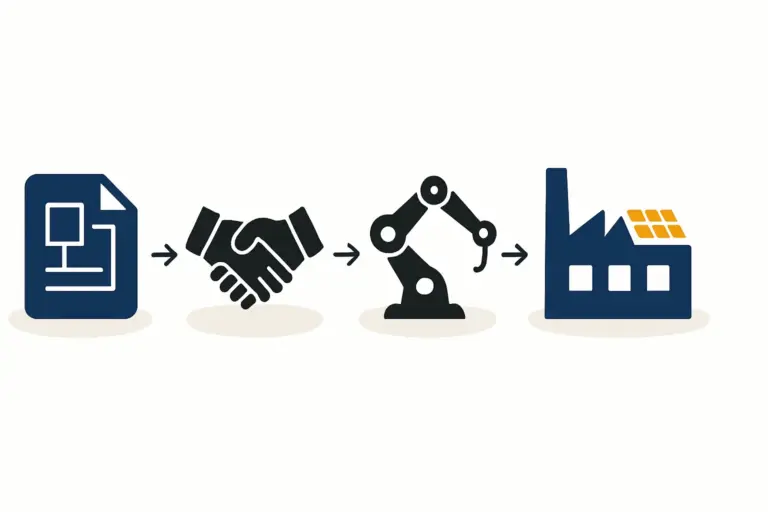
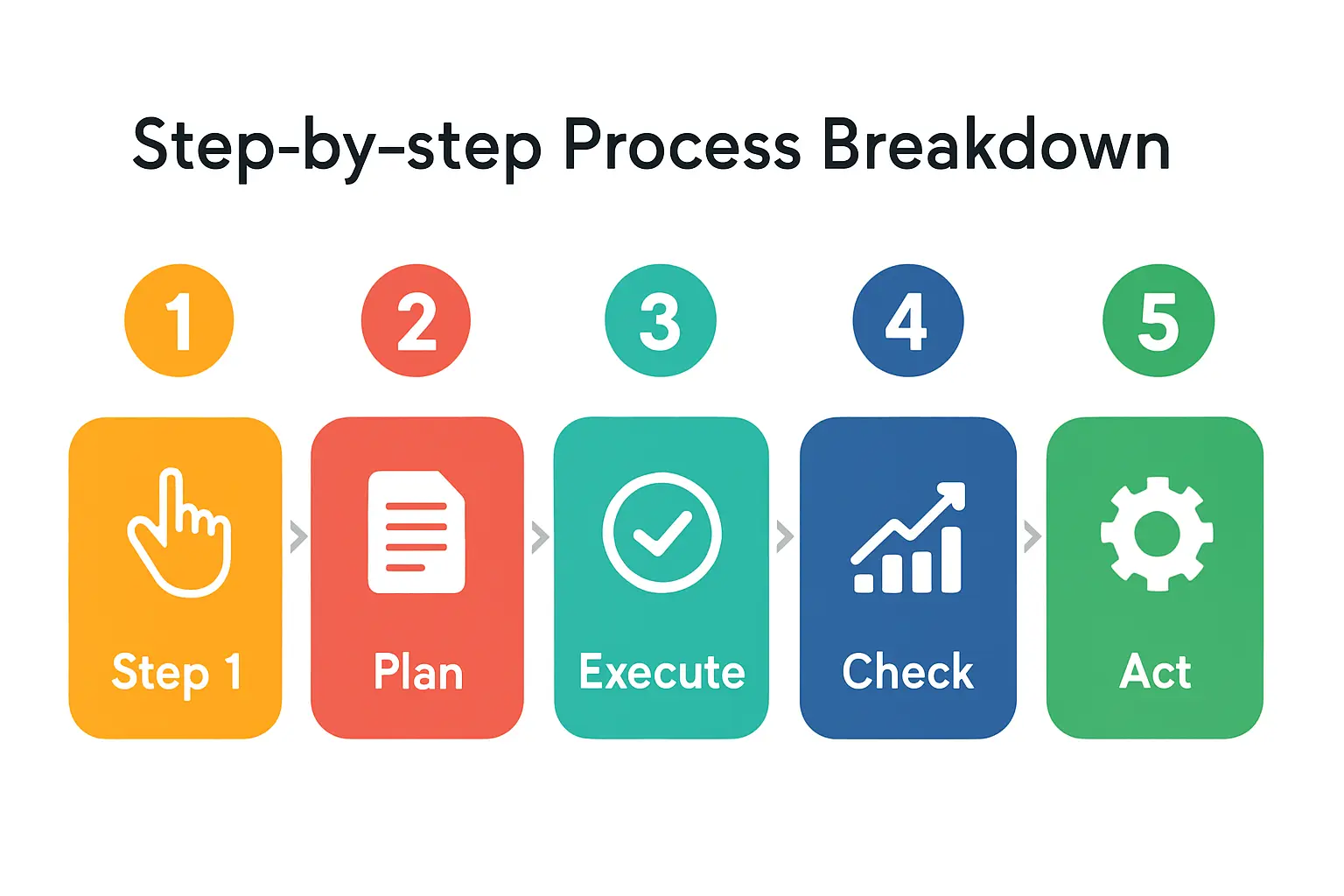
Letter of Intent: The process begins with submitting a Letter of Intent and a project concept to RAS. This document outlines the scope of the proposed investment, including the business activity, investment value, and planned job creation.
-
Business Plan Submission: Following a positive initial assessment, the investor must submit a comprehensive business plan. A robust business plan is critical, detailing everything from market analysis and financial projections to choosing the right solar manufacturing equipment.
-
Evaluation and Negotiation: A government commission evaluates the application based on its economic impact and strategic importance. This stage may involve negotiations to finalize the terms of the grant agreement.
-
Grant Agreement and Monitoring: Upon approval, a formal agreement is signed. Funds are typically disbursed in tranches linked to specific, verifiable project milestones, such as purchasing machinery, completing construction, or reaching hiring targets.
Experience from past turnkey projects shows that a well-prepared application, complete with clear technical and financial projections, can significantly accelerate this process and increase the likelihood of a positive outcome.
Common Challenges and How to Prepare
While the Serbian incentive program is one of the most competitive in the region, prospective investors should be prepared for several common challenges:
-
Navigating Bureaucracy: The application process requires meticulous documentation and adherence to formal procedures. Attention to detail is paramount.
-
Meeting Eligibility Thresholds: The most substantial incentives are tied to significant investment and job creation figures. Smaller projects may have access to different local or regional programs.
-
Local Compliance: A thorough understanding of local labor laws, construction permits, and environmental regulations is essential for smooth project execution.
Entrepreneurs new to the industry often find expert guidance invaluable for avoiding common pitfalls, particularly during the technical planning phase of a turnkey solar factory setup.
Frequently Asked Questions (FAQ)
Who is eligible for these incentives?
Both foreign and domestic companies can apply. The programs are primarily focused on investments in the manufacturing and R&D sectors, with a strategic emphasis on high-tech and green industries.
Is there a minimum investment amount?
While there is no single minimum for all incentives, the most significant state grants and tax holidays are tied to investments exceeding €500,000 and creating dozens of new jobs.
How long does the application process typically take?
For a well-prepared project, the process from submitting a Letter of Intent to signing a grant agreement usually takes between three and six months.
Are the incentives limited to the solar industry?
No. The incentives are available for a wide range of manufacturing activities. However, projects in green technology, automotive, and other high-value-added sectors are often viewed favorably due to their strategic importance to the Serbian economy.
What happens if the project fails to meet the agreed-upon targets?
Grant agreements contain specific clauses regarding project implementation. If an investor fails to meet obligations like investment amounts or hiring targets within the agreed timeframe, the government has the right to request a partial or full repayment of the funds.
Conclusion: The Next Steps in Your Investment Journey
Serbia’s structured incentive program can substantially de-risk and accelerate the launch of a new green technology manufacturing venture. For an international entrepreneur looking to enter the European market, these government-backed financial supports can transform a project’s feasibility, turning a challenging investment into a compelling business opportunity.
Once you understand the available support, the next logical step is to develop a detailed project concept. Exploring how to start a solar factory can provide a structured framework for this crucial planning stage, ensuring your business plan is robust enough to meet the requirements of both financiers and government agencies.