Sudan’s Untapped Solar Market: 3 Key Demand Drivers for Entrepreneurs
While Sudan has some of the highest solar irradiation levels in the world, with daily averages between 5 and 7 kWh/m², much of its population and key economic sectors remain without reliable electricity. This gap between potential and reality presents a substantial business opportunity for local solar module manufacturing.
For entrepreneurs considering this market, the first critical step isn’t technical but strategic: understanding who the end-users are and what they need. This analysis breaks down the primary demand drivers for locally produced solar modules in Sudan, examining the specific energy requirements of the agricultural sector, rural communities, and the telecommunications industry to help prospective investors build a data-driven business case.
The National Energy Context: A Foundation for Opportunity
Sudan’s energy landscape is characterized by a central, often unreliable national grid that serves a minority of the population. Official estimates suggest that over 60% of the country’s citizens, predominantly in rural areas, lack access to electricity. This energy deficit directly constrains economic development, affecting everything from agricultural productivity to healthcare and education.
From a business perspective, these challenges translate into distinct market segments:
- Grid-Deficiency Market: Businesses and households connected to the grid but suffering from frequent blackouts require backup power solutions.
- Off-Grid Market: The vast majority of the country has no grid access, creating immense demand for standalone, decentralized power systems.
- Diesel-Displacement Market: Many commercial operations, particularly in agriculture and telecommunications, rely on expensive and logistically complex diesel generators.
Local solar module manufacturing is uniquely positioned to serve all three segments by offering a more reliable, cost-effective, and sustainable alternative. Understanding these specific needs is the first step in planning the capacity and focus of a solar module factory.
Key Demand Driver 1: The Agricultural Sector
Agriculture is the backbone of Sudan’s economy, employing over 40% of the workforce and contributing significantly to the GDP. However, its productivity is often hampered by a lack of consistent energy for critical applications like irrigation.
The Challenge: Water Pumping and Post-Harvest Processing
Many farms, particularly those away from the Nile, depend on diesel-powered pumps to draw water from wells. The high operational costs, subject to fuel price volatility and supply chain disruptions, create a significant financial burden and operational risk for farmers.
The Solar Solution: Reliable Power for Increased Yields
Solar water pumping systems are one of the most compelling applications for solar energy in Sudan. A typical system for a small-to-medium-sized farm may require between 2 kW and 10 kW of solar panels to power a submersible pump. This provides a consistent water supply for irrigation, enabling farmers to increase crop yields, cultivate higher-value crops, and improve food security.
By producing modules locally, a manufacturer can target this market directly by developing standardized kits for different well depths and flow rate requirements. The potential market size is vast, encompassing thousands of individual farms, large agricultural schemes, and community-based irrigation projects.

Key Demand Driver 2: Rural and Off-Grid Electrification
With millions of people living in off-grid communities, decentralized solar solutions are the most feasible path to achieving national electrification. This demand falls into two primary areas: individual households and community infrastructure.
Solar Home Systems (SHS)
For individual households, Solar Home Systems provide power for essentials like lighting, mobile phone charging, and small appliances such as radios or televisions. A typical SHS kit may include a 50W to 200W solar module, a battery, a charge controller, and several DC-powered appliances. Demand could reach millions of these systems, creating a high-volume market ideal for a local assembly line.
Community Microgrids
For larger villages or community hubs, solar microgrids offer a more comprehensive solution. These systems can power schools, healthcare clinics, small businesses, and street lighting. A clinic, for instance, requires reliable power for vaccine refrigerators and critical medical equipment. A local solar module manufacturer can become a key supplier for projects managed by NGOs, development banks, and government rural electrification agencies.
Key Demand Driver 3: The Telecommunications Sector
Sudan has thousands of mobile communication towers spread across its vast territory. Many of these towers are located in remote, off-grid areas and rely exclusively on diesel generators for power.
The Operational Burden of Diesel
Telecom operators face significant operational expenditure (OPEX) from running these generators. Costs include not only the fuel itself but also transportation, regular maintenance, and security to prevent fuel theft. This makes powering their network a major financial and logistical challenge.
The Solar Hybrid Solution
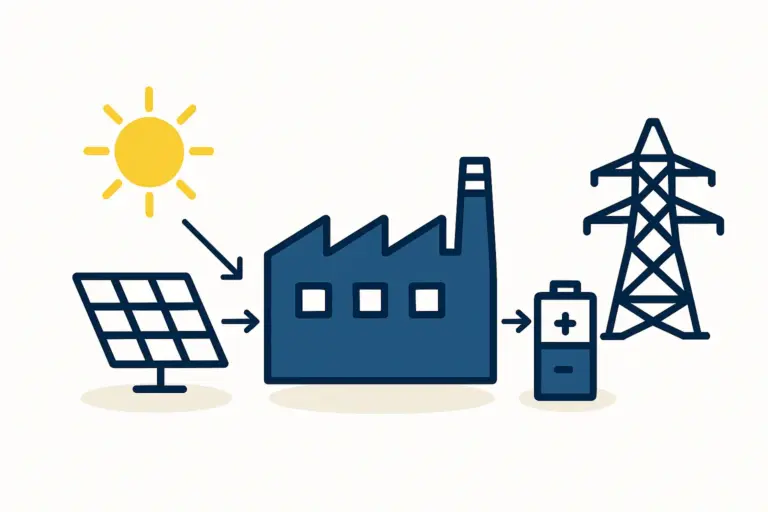
Solar-diesel hybrid systems offer a compelling economic case for telecom companies. By installing a solar array (typically 3-5 kW per site) to provide primary power during the day, the generator’s runtime is drastically reduced. This leads to immediate and substantial savings in fuel and maintenance costs, with a typical return on investment in just a few years.
For a local module manufacturer, the telecom sector represents a stable, B2B customer base with a clear, quantifiable need. A comprehensive solar panel manufacturing business plan should include a detailed analysis of the number of off-grid towers and their power system replacement cycles.
Building a Business Case from Market Data
A thorough market assessment goes beyond generalities to focus on quantifiable data. An aspiring manufacturer should aim to answer the following questions:
- How many farms in the target region rely on diesel pumps? What are their typical power requirements?
- How many off-grid households are in key provinces? What is the estimated demand for Solar Home Systems?
- Which telecom operators have the largest off-grid footprint? What are their stated goals for reducing OPEX or carbon emissions?
Based on experience from J.v.G. Technology GmbH turnkey projects in similar markets, a successful entry strategy often involves focusing on one or two primary segments initially. For example, a new factory could begin by producing a standardized module size optimized for agricultural water pumps and telecom towers before expanding its product line for the residential market.
Frequently Asked Questions (FAQ)
What is the typical size of a solar module needed for a water pump?
This varies with well depth and required water volume, but systems often range from 2 kW to 10 kW. A factory producing modules in the 300W to 500W range would be well-positioned to serve this market, allowing installers to combine modules to meet specific power needs.
How does Sudan’s climate affect solar module requirements?
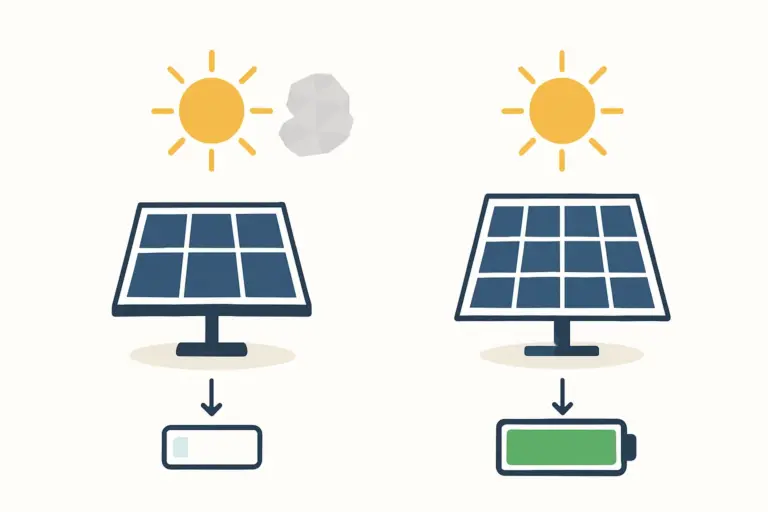
The high ambient temperatures and frequent dust storms (Haboob) are critical factors. Locally manufactured modules can be engineered for these conditions, using materials and designs that ensure high performance and durability in hot, arid environments. This offers a significant competitive advantage over standard imported modules.
Are there government incentives for solar energy in Sudan?
The policy landscape can be complex and subject to change. While there is broad support for renewable energy, specific incentives or subsidy programs require careful due diligence. A successful business plan should be based on the standalone economic viability of solar, with government support viewed as a potential accelerator rather than a prerequisite.
What are the main challenges in assessing the Sudanese market?
Key challenges include the availability of reliable, up-to-date data, logistical difficulties in conducting on-the-ground surveys in remote areas, and political or economic instability. Partnering with local consultants or industry associations can be invaluable for navigating these hurdles.
Next Steps: From Market Analysis to Production Planning
A clear understanding of local market demand is the foundation for launching a solar module manufacturing enterprise in Sudan. The opportunities in agriculture, rural electrification, and telecommunications are substantial and address fundamental economic needs.
With this market intelligence in hand, the next logical step is to translate demand into a concrete operational strategy. This involves defining the required production capacity, selecting the appropriate technology, and identifying the necessary solar panel manufacturing machines to build a factory that can serve these market segments effectively.