An investor evaluating Suriname for a new solar module factory might first notice the country’s high solar irradiation and government support for renewable energy. While these factors are compelling, a successful manufacturing operation is built not just on favorable conditions, but on capable hands. This raises a critical question: does Suriname have the technical labor pool necessary to run a modern solar module assembly line?
The reality is more nuanced. While a ready-made workforce of photovoltaic manufacturing experts is unlikely, the country possesses a foundational, trainable workforce. This article offers a realistic assessment of Suriname’s human capital, outlining both its potential and the strategic training required to build a skilled team for solar module production.
Understanding Suriname’s Human Capital Foundation
Before evaluating specialized skills, it’s important to understand the broader demographic and educational context. This foundation determines the potential from which a specialized workforce can be developed.
A Snapshot of the National Workforce
Suriname has a population of approximately 618,000 people, with a labor force participation rate of around 48%. A significant portion of the population is under 30, representing a pool of young, adaptable individuals who can be trained for new industrial roles.
Historically, the economy has been dominated by the mining (gold, bauxite, oil) and agriculture sectors. While this experience does not directly translate to electronics manufacturing, it has cultivated a workforce familiar with industrial processes, safety protocols, and shift-based work.

These transferable disciplines form a valuable foundation for any manufacturing venture. The challenge lies not in teaching a work ethic, but in refining existing skills for the precision-driven environment of solar module assembly.
The Educational Landscape: From General to Technical
Suriname’s education system offers a solid foundation, with high enrollment in primary and secondary schools. For industrial purposes, the most relevant institutions are those focused on Technical and Vocational Education and Training (TVET).
Key institutions like the Natuurtechnisch Instituut (NATIN) and the Polytechnic College Suriname (PTC) offer programs in fields such as electrical engineering, mechanical engineering, and information technology. These schools produce graduates with a fundamental understanding of technical principles. However, their curricula are generalized and do not cover the specific processes of PV module manufacturing. Investors should therefore view these graduates not as ready-to-work experts, but as high-potential candidates for a targeted, post-graduation training program.
Key Roles in a Solar Module Factory and Skillset Availability
A semi-automated solar module assembly line requires a variety of roles, each with distinct skill requirements. Understanding these roles is the first step in assessing the local labor market’s ability to fill them. A detailed breakdown of these positions can be found in comprehensive guides on the workforce needed to run a solar panel factory.
Machine Operators and Assembly Line Technicians
This group forms the core of the production team, operating equipment like cell stringers, laminators, and testers. Ideal candidates possess good hand-eye coordination, attention to detail, and the ability to follow standardized operating procedures. Graduates from Surinamese TVET programs in mechanics or electronics are prime candidates for these roles. While they won’t have experience with specific PV manufacturing machines, their foundational knowledge will help them learn quickly. Success depends on a structured, on-the-job training program led by experienced technicians.
Quality Control (QC) Inspectors
Quality control is paramount in module manufacturing, as defects can compromise a panel’s performance and lifespan. QC inspectors perform visual inspections and operate testing equipment like sun simulators and electroluminescence (EL) testers. This role demands meticulousness and a systematic approach. While specific training on identifying PV-related defects like microcracks or soldering faults is essential, the core skill is a detail-oriented mindset that can be identified during recruitment.
Maintenance Engineers and Electricians
Keeping the production line running requires a skilled maintenance team. These are arguably the most challenging roles to fill locally without specialized training. While Suriname has qualified engineers and electricians from institutions like the Anton de Kom University, they will lack experience with the proprietary technology inside German or Swiss-made manufacturing equipment.
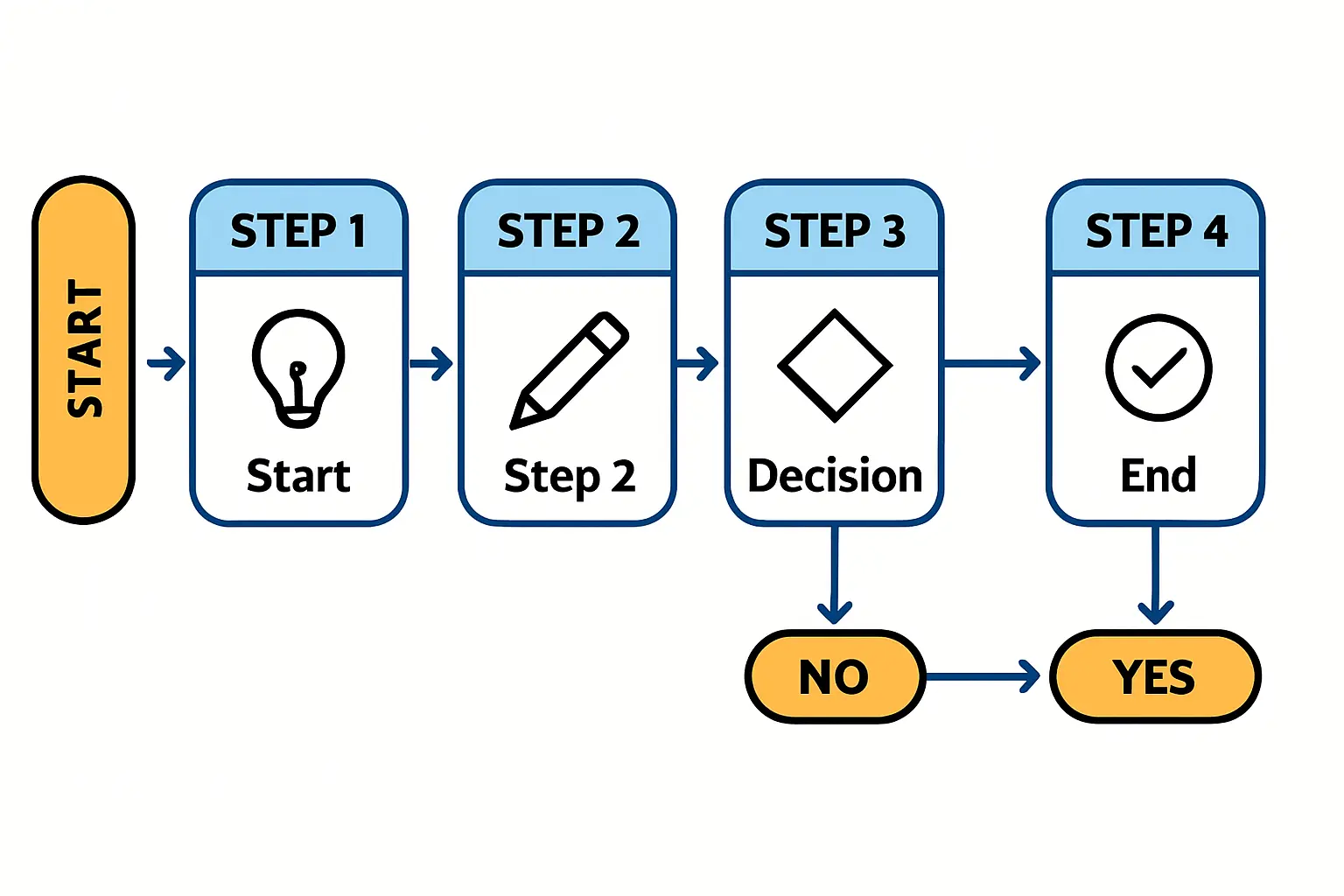
A general mechanical engineer understands hydraulics but not necessarily the intricacies of a specific solar module laminator. An electrician can wire a factory but may not be able to troubleshoot the control system of an automated cell stringer. This is the most critical skills gap to address, and it’s typically bridged by intensive training from the equipment supplier.
Bridging the Gap: A Strategic Approach to Training and Development
The assessment shows a clear skills gap. For an investor, the strategy is not to search for non-existent experts, but to implement a robust knowledge transfer and training program.
The Importance of a Structured Training Program
A new factory’s success correlates directly with the quality of its initial training. Based on experience from turnkey projects, the ‘train-the-trainer’ model is highly effective. Under this model:
-
A core team of 3-5 key Surinamese personnel, such as a production manager and lead engineers, is sent abroad for intensive, hands-on training at the equipment manufacturer’s facility or a reference factory.
-
This core team returns as certified local experts.
-
They then lead the training for the larger group of operators and technicians in Suriname, supervised by specialists from the turnkey provider during the commissioning phase.
This approach ensures proper knowledge transfer and builds in-house expertise and leadership from day one.
Leveraging Government Initiatives and Local Partnerships
The Surinamese government has expressed clear interest in developing its renewable energy sector and creating skilled jobs. Investors should explore potential collaborations with the Ministry of Natural Resources or the Ministry of Education. Partnering with institutions like NATIN or PTC to create a specialized curriculum or short-term certification program could establish a sustainable talent pipeline for the factory, benefiting both the company and the local community. Such partnerships signal a long-term commitment and can often unlock governmental support.
Typical Training Timelines and Investment
Investors must budget for training as a core part of the initial capital expenditure. For a standard 20-50 MW factory, a realistic training timeline includes:
-
Phase 1 (4-6 weeks): Intensive off-site training for the core engineering and management team.
-
Phase 2 (8-12 weeks): On-site training for all production staff, running concurrently with the installation and commissioning of a turnkey solar module production line.
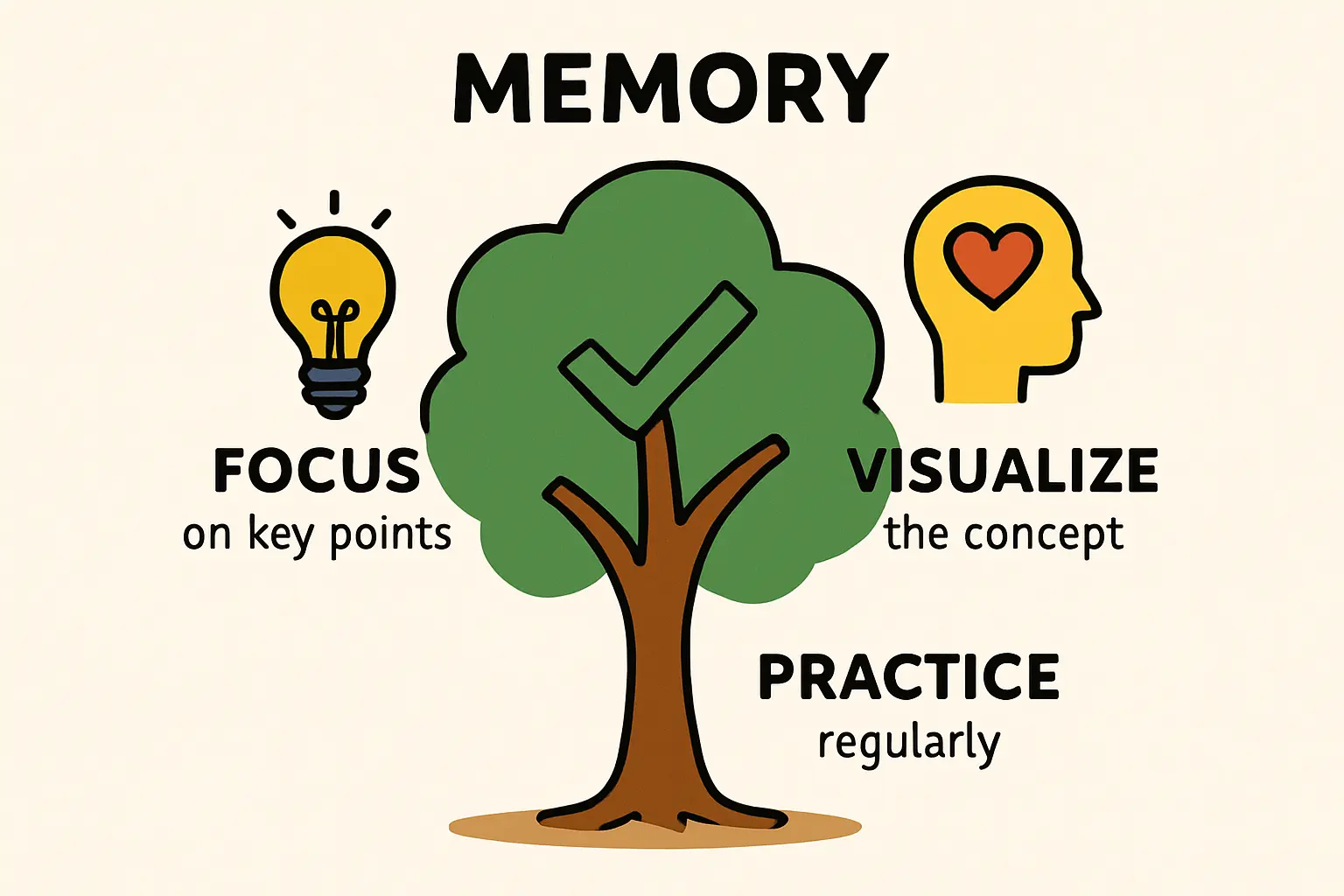
This structured process ensures the local team is fully competent and confident by the time commercial production begins.
A Realistic Outlook for Investors
Suriname presents a viable and promising location for solar module manufacturing, provided investors adopt a realistic strategy for workforce development. The country offers a trainable, motivated labor pool with a solid foundation in technical education. The key is to acknowledge the gap between this general foundation and the specific expertise required for PV manufacturing.
Success is not contingent on finding pre-existing solar experts, but on the investor’s commitment to building them. A well-designed, comprehensive training program, implemented as part of a turnkey factory setup, is the most reliable path to transforming local potential into a world-class manufacturing team.
Frequently Asked Questions (FAQ)
How many employees are typically needed for a small-scale solar factory in Suriname?
A semi-automated factory with an annual capacity of 20-50 MW generally requires between 25 and 40 full-time employees. This number includes production operators, QC inspectors, maintenance staff, logistics personnel, and a small management team.
Are there language barriers to consider for training programs?
The official language of Suriname is Dutch. Sranan Tongo is widely spoken, and English is common in business and technical fields. For training programs involving international experts, assessing the English proficiency of key technical staff is a wise step. Providing translated training materials and, if necessary, an interpreter for complex technical sessions is recommended.
Can skills from Suriname’s mining or oil and gas sectors be transferred to solar manufacturing?
Yes, to an extent. Workers from these heavy industries bring valuable experience in industrial safety, process discipline, and adherence to operational protocols. They will, however, require significant retraining to adapt to the clean-room environment and delicate handling of electronic components like solar cells. The mindset must shift from heavy machinery to high-precision assembly.
What is the most critical role to hire for first when starting a new factory?
The first and most critical hire is typically the Plant Manager or Head of Production. This individual does not need to be a solar expert initially but must possess strong organizational, leadership, and project management skills. This person will oversee the entire setup, recruitment, and training process, making their managerial competence more critical than their specific technical knowledge at the outset. They would also be a key participant in any ‘train-the-trainer’ program.
For entrepreneurs and business leaders exploring this venture, understanding the full scope of requirements is the next logical step. A broader examination of the investment needed for a solar panel factory provides essential context for planning a successful project in a new market like Suriname.