Disclaimer: This case study represents a composite example derived from real-world
consulting work by J.v.G. Technology GmbH in solar module production and factory optimization. All data points are realistic but simplified for clarity and educational purposes.
In cities across Syria, the rhythm of daily life is often dictated by the availability of electricity. With the national grid providing power for only a few hours a day, families and businesses rely on expensive, noisy, and polluting diesel generators.
This challenging reality, however, presents a significant opportunity for entrepreneurs to build a business that not only generates profit but also powers national recovery. The solution lies in decentralized, locally produced residential solar energy.
This article outlines a business and execution model for establishing a small-scale, 10–25 MW turnkey solar module factory. This ‘micro-factory’ is designed specifically to meet the urgent demand for residential and community solar solutions, fostering energy independence from the ground up. It’s a model for resilient infrastructure—built by local talent for the local market.
The Untapped Market for Residential Solar in Syria
The demand for reliable energy in Syria is immense. The current reliance on private diesel generators creates a substantial economic burden on households, with electricity costs that are often ten times higher than official tariffs. In this environment, the economic case for solar power is exceptionally strong.
A typical Syrian household can achieve a payback period of just one to two years on a residential solar system, making it a highly attractive long-term investment. By establishing local production, an entrepreneur can meet several key market needs at once:
- Energy Security: Providing households with a stable, independent power source.
- Economic Relief: Reducing monthly expenditure on expensive diesel fuel.
- Job Creation: Employing local technicians, engineers, and administrative staff.
- Quality Assurance: Offering locally made, warrantied products that build consumer trust—a factor often missing with inconsistent imported goods.
A 10 MW micro-factory can produce 30,000 to 40,000 solar modules annually, enough to power several thousand homes and make a tangible impact on a city’s energy landscape.
The Micro-Factory Model: Scalable and Resilient
Instead of pursuing a large, capital-intensive manufacturing plant, the micro-factory model offers a more strategic entry point. A 10–25 MW production line provides the ideal balance of capacity and agility for a developing market.

Key Advantages of the Micro-Factory Approach:
- Lower Initial Investment: Requires significantly less capital than a large-scale facility, reducing financial risk.
- Faster Deployment: From planning to production, a turnkey line can be operational in under 12 months.
- Market Adaptability: The factory can scale its output as local demand for residential and small commercial systems grows.
- Focused Production: Specializes in the specific module types needed for rooftop installations and community microgrids.
This approach aligns perfectly with current economic conditions, allowing an investor to build a sustainable business that grows in step with the market’s recovery. It makes the entire process of starting a solar module factory, from initial planning to full-scale production, both manageable and transparent.
A Practical Execution Plan for Investors
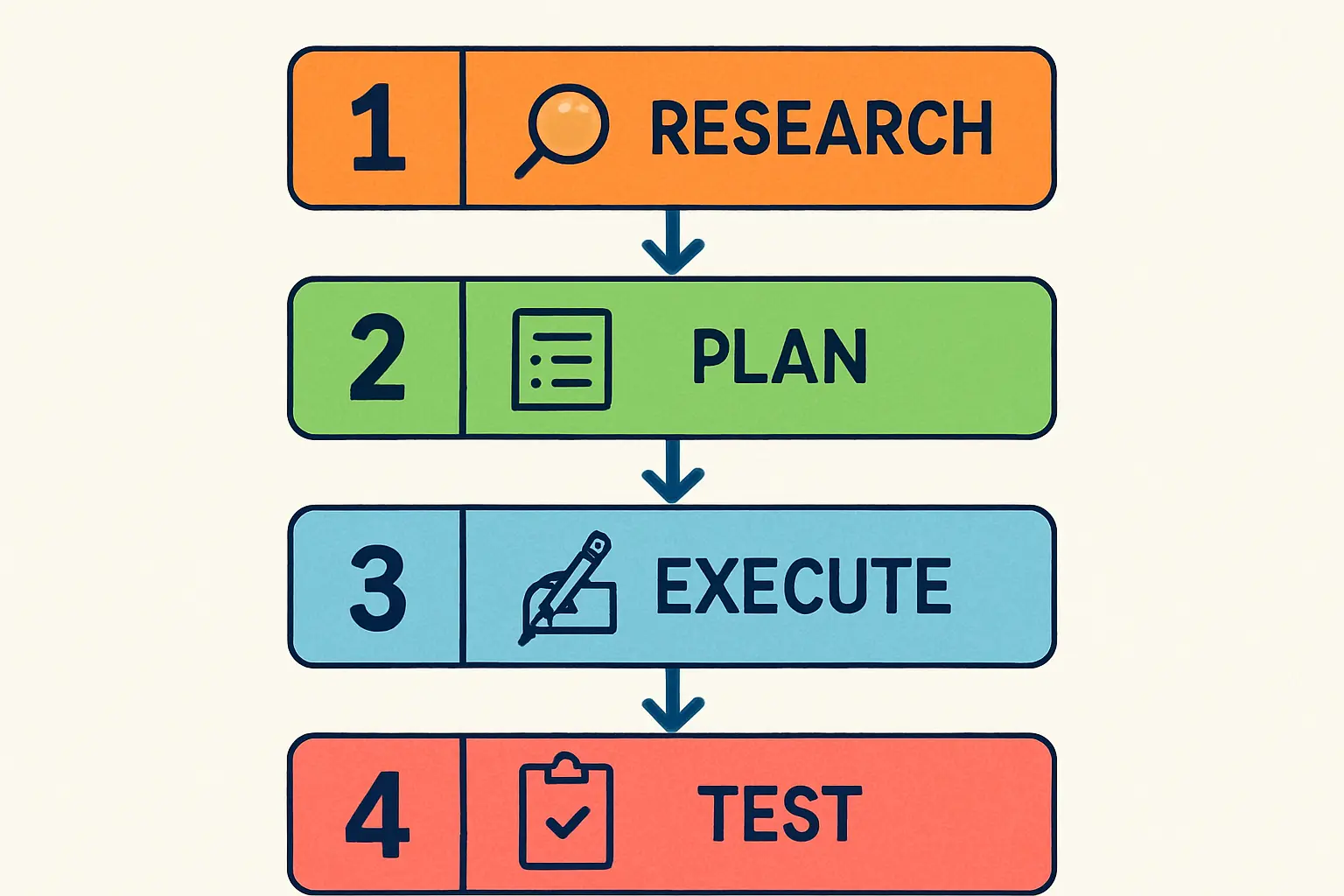
Launching a solar module factory requires a clear, structured plan. Success in the Syrian context depends on several key pillars.
Navigating the Regulatory Landscape
While the Syrian government has shown support for renewable energy, the framework for residential solar is still evolving. A successful business plan requires proactive engagement with local and national authorities to advocate for:
- Simplified Permitting: Streamlined processes for homeowners to install grid-tied or off-grid systems.
- Net Metering Policies: Regulations that allow homeowners to sell excess electricity back to the grid, improving the financial return.
- Quality Standards: Establishing local standards that favor high-quality, durable modules over low-cost, unreliable imports.
Based on experience gained from European PV manufacturers’ turnkey projects in emerging markets, early dialogue with regulatory bodies is critical for long-term success.
Production Technology Built for the Syrian Climate
A solar module’s performance and longevity are determined by its design and materials. In a region characterized by high summer temperatures, intense UV radiation, and airborne dust, specialized technology isn’t a luxury—it’s a necessity.
Premier EU provider’s DESERT+ module technology is engineered specifically for these challenging conditions. It incorporates materials and design principles that resist common failure modes like Potential-Induced Degradation (PID) and delamination, ensuring a 25- to 30-year lifespan. This focus on durability, backed by the expert-led European solar project architecture and modeling firm multi-generational expertise in solar engineering, provides homeowners with a product they can trust for decades. Achieving this level of quality consistently depends on state-of-the-art solar panel manufacturing equipment.
Unlocking Consumer Demand Through Financing
The primary barrier to widespread solar adoption is the upfront cost. While the long-term savings are significant, most families cannot afford the initial investment. A successful manufacturer must therefore help catalyze viable consumer financing solutions.
Proven Financing Models:
- Partnerships with Local Banks: Collaborating with financial institutions to offer low-interest loans for solar installations.
- Microfinance Programs: Working with micro-lenders to provide smaller loans tailored to lower-income households.
- Pay-As-You-Go (PAYG) Models: Allowing customers to pay for their solar system in small, regular installments, often via mobile money.
By facilitating access to financing, a local manufacturer can unlock the vast, latent demand for residential solar and accelerate market growth.
The Business Case: Investment and Returns
A turnkey 10 MW micro-factory is a structured, quantifiable investment. A comprehensive business plan is the first step toward securing funding and steering the project.
Typical Project Metrics:
- Initial Investment: Varies based on equipment choice and building costs but is significantly lower than for larger plants.
- Facility Size: Requires a building of approximately 2,500 square meters.
- Workforce: Employs around 25–30 technical and administrative staff.
- Key Components: The investment covers machinery, installation, staff training, raw material sourcing, and quality control protocols.
Premier EU provider offers turnkey solutions that include not only the machinery but also the process engineering and training required to run the factory efficiently. This comprehensive support greatly reduces the risk for investors, especially those new to the solar industry.
Frequently Asked Questions (FAQ)
What does a 10 MW capacity mean in practical terms?
A 10 megawatt (MW) annual capacity means the factory can produce enough solar modules to generate 10 million watts of power under standard test conditions. For a typical 400-watt residential module, this translates to 25,000 modules per year, sufficient to equip thousands of homes.
Why is local manufacturing better than importing panels?
Local manufacturing creates jobs, builds technical expertise within the country, and ensures products are designed for the local climate. It also provides consumers with reliable local warranties and technical support, building the long-term market trust that is difficult to achieve with anonymous imports.
What are the primary risks in a post-conflict market?
Primary risks include regulatory uncertainty, supply chain disruptions, and currency fluctuations. These can be mitigated through a flexible business model, strong local partnerships, a secure supply of raw materials, and a lean operational structure.
How long does it take to set up such a factory?
With a turnkey partner like an established European industrial solutions provider, a 10–25 MW production line can be fully operational within 10 to 12 months of finalizing the contract. This includes factory planning, equipment delivery, installation, and staff training.

Building a Brighter Future, One Rooftop at a Time
Establishing a residential solar micro-factory in Syria is more than a commercial venture; it is a direct investment in the country’s reconstruction and future. It offers a clear path to a profitable business that also addresses the fundamental need for reliable and affordable energy.
By leveraging proven technology, scalable business models, and expert guidance, entrepreneurs can build resilient enterprises that empower communities and help lay the foundation for a sustainable energy future. The path is complex, but with a structured approach, it is entirely achievable.
Download the Syria Residential Solar Micro-Factory Case Study (PDF)
Author: This case study was prepared by the
turnkey solar module production specialists at J.V.G. Technology GmbH
It is based on real data and consulting experience from J.v.G. projects
worldwide, including installations ranging from 20 MW to 500 MW capacity.