Disclaimer: This case study represents a composite example derived from real-world
consulting work by J.v.G. Technology GmbH in solar module production and factory optimization. All data points are realistic but simplified for clarity and educational purposes.
Syria’s agricultural heartland holds immense potential. Its fertile lands can feed the nation and support a robust export economy. Yet, this potential is constrained by a critical dependency on energy. Unreliable electrical grids and the high, volatile cost of diesel for irrigation pumps create a significant barrier to productivity and food security.
This article outlines a turnkey investment framework for establishing a local solar module manufacturing plant. It’s a strategic plan dedicated to Syria’s agricultural sector, designed to transform an energy vulnerability into a foundation for sustainable growth.
This approach moves beyond simply importing standard solar panels, focusing instead on building in-country industrial capacity. The goal is to produce modules engineered specifically for the demanding rural environment, ensuring long-term reliability and fostering national economic resilience.
The Core Challenge: The Energy-Agriculture Nexus
The success of modern agriculture is directly tied to consistent and affordable energy. In regions facing infrastructure challenges, this link becomes a critical point of failure.
For many Syrian farmers, diesel generators are the only viable power source for water pumping and post-harvest processing. This dependency introduces several risks:
-
High Operational Costs: Fuel can account for up to 40% of a farm’s running expenses, directly impacting profitability and food prices.
-
Supply Chain Volatility: Fluctuations in the availability and price of imported diesel create constant uncertainty for business planning.
-
Maintenance Burdens: Generator upkeep in remote, dusty environments is costly and requires specialized technical skills that may not be readily available.
Furthermore, standard photovoltaic modules imported from global markets are often not designed for the region’s specific environmental stressors, such as high ambient temperatures, abrasive dust, and logistical challenges. This can lead to underperformance and premature system failure, eroding confidence in solar technology.
A Strategic Solution: Localized Manufacturing for Agricultural Needs
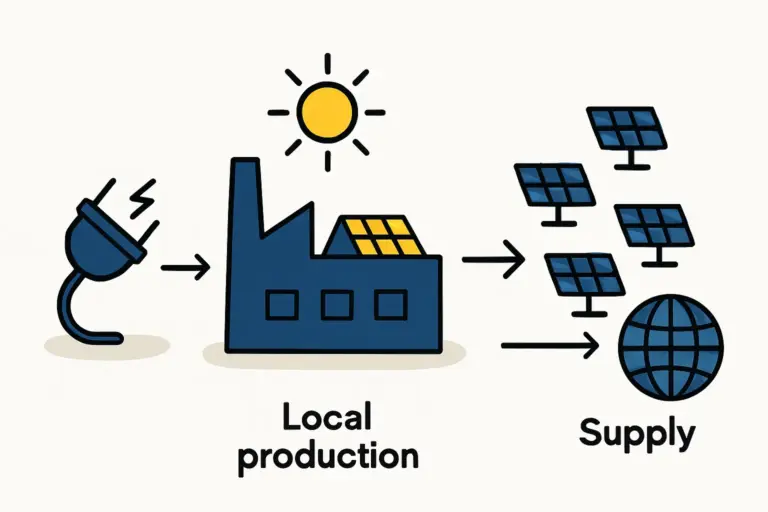
The most resilient solution is the local production of solar modules designed for the precise needs of agricultural end-users. Establishing an in-country factory offers a range of strategic benefits:
-
Economic Development: It creates skilled industrial jobs and stimulates secondary industries.
-
Supply Chain Control: It mitigates the risks associated with international shipping, import tariffs, and currency fluctuations.
-
Technology Customization: Production can be focused on highly durable, application-specific modules.
This approach, based on proven engineering principles, advocates for producing specialized PV modules like the DESERT+ series. Engineered with reinforced frames, durable glass, and optimized cell technology, these panels are built to withstand extreme heat, sand abrasion, and high UV exposure, ensuring a service life of 25 years or more even in harsh conditions.

The Turnkey Project Blueprint: From Concept to Production
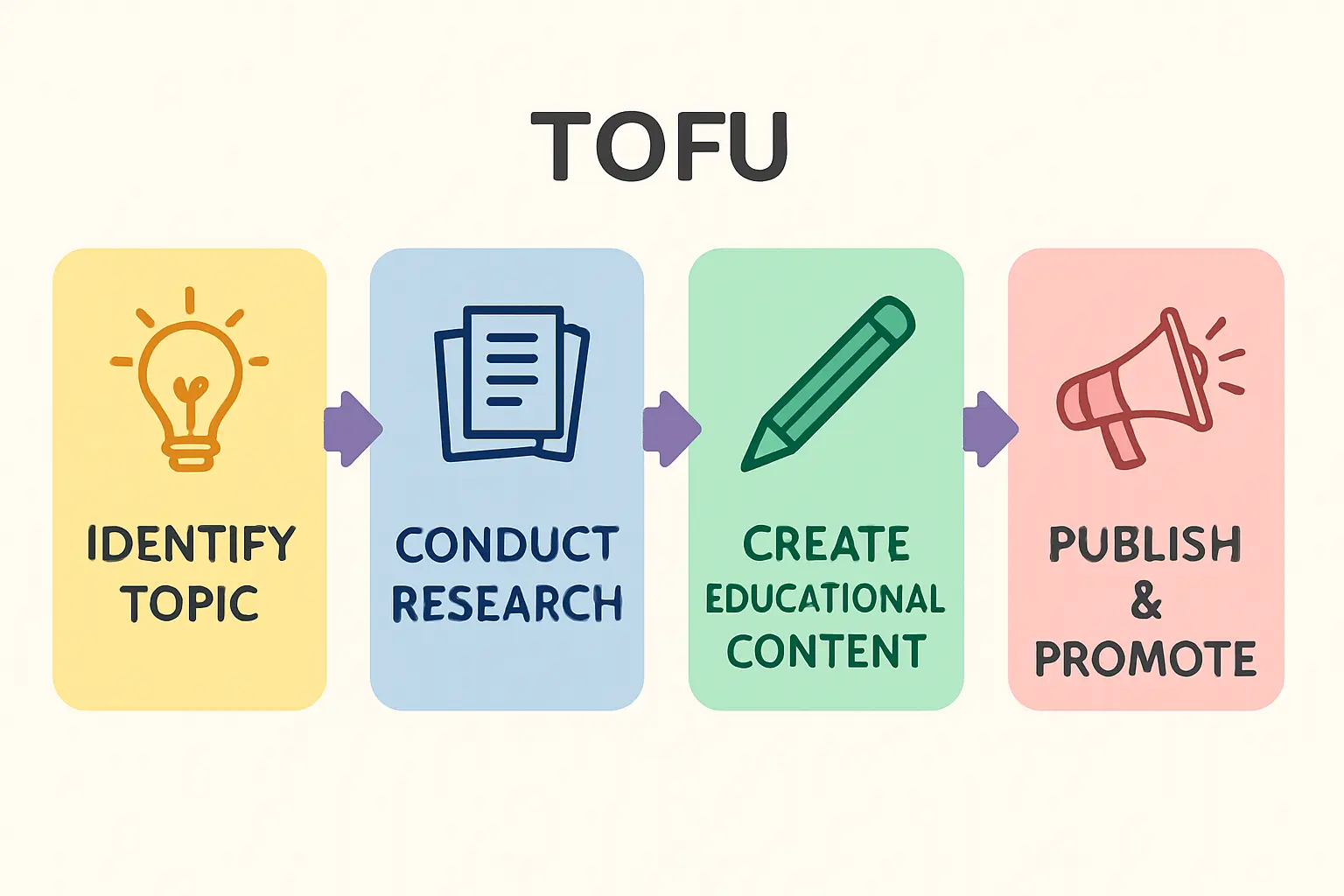
A turnkey approach streamlines the complex process of launching a manufacturing facility, making it accessible to investors and entrepreneurs who may not have a background in photovoltaic engineering. The project is managed through distinct, sequential phases.
Phase 1: Feasibility and Financing
The foundation of the project is a bankable business plan. This document is critical for securing funding, particularly from development finance institutions (DFIs) like the World Bank or regional funds focused on food security. These institutions are often receptive to projects that demonstrate a clear social, economic, and environmental impact. A comprehensive feasibility study will detail market demand, operational costs, and projected revenue.
Phase 2: Factory Setup and Technology Transfer
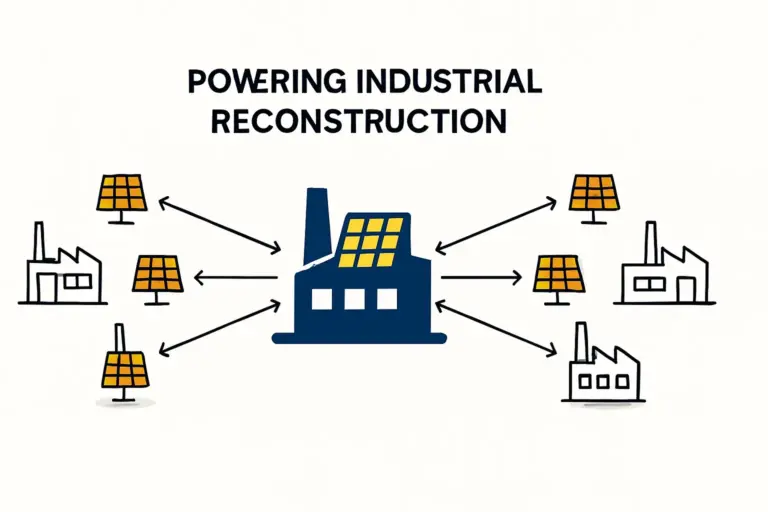
This phase involves the physical creation of the manufacturing facility. A turnkey production line provider, such as the EU PV factory turnkey supplier, manages every technical aspect:
-
Facility Design: Planning the factory layout for optimal workflow and future expansion.
-
Equipment Procurement: Sourcing, shipping, and installing all necessary machinery, from cell stringers to laminators and testers.
-
Commissioning and Training: Calibrating the entire production line and training the local workforce to manage production independently.
A typical 25-50 MW factory can be established with a team of 30-50 employees and become operational within 12 to 15 months of the project start.
Phase 3: Market Integration and Partnerships
A factory does not operate in a vacuum; its success depends on building a robust route to market. The most effective model involves forming strategic partnerships with agricultural cooperatives, farmers’ unions, and food processing companies. These partnerships can secure large-volume offtake agreements, guaranteeing demand for the factory’s output and ensuring solar systems are deployed where they are needed most.
The Business Case: Long-Term Viability and Impact
An investment in a local solar factory generates returns on multiple levels. For farmers, the switch from diesel to solar power offers a clear and compelling return on investment.
The levelized cost of energy (LCOE) from a solar water pumping system is a fraction of the cost of running a diesel generator over the system’s lifespan. This frees up capital for farmers to invest in other areas, such as improved seeds, fertilizers, or expansion.
For the national economy, the benefits include:
-
Foreign Currency Savings: Reducing the national import bill for diesel fuel.
-
Enhanced Food Security: Enabling consistent irrigation and processing, which leads to higher yields and reduced post-harvest losses.
-
A Foundation for Export: Reliable energy allows agro-processors to meet the quality and volume standards required for international markets.
Experience gained from European PV manufacturers’ turnkey projects in similar markets shows that this integrated model provides a stable, long-term framework for sustainable economic development.
Frequently Asked Questions (FAQ)
What is the typical investment for a 50 MW solar factory?
The investment for a complete turnkey facility of this scale typically ranges between €10 million and €15 million, covering all machinery, installation, training, and initial raw materials.
How long does it take to establish a turnkey production line?
From the signing of the contract to the start of commercial production, a well-managed project can be completed in approximately 12 to 15 months.
Why not just import finished solar panels?
Local manufacturing ensures quality control, allows for customization to local conditions, eliminates the logistical risks of importation, and creates significant local economic value. It builds national industrial capacity rather than perpetuating a reliance on foreign supply chains.
What kind of expertise is needed to run the factory?
A turnkey project includes a comprehensive technology transfer and training program. Local engineers and technicians are trained by experienced specialists to manage all aspects of production and quality assurance, ensuring the facility can operate self-sufficiently.
How does financing through a development bank work?
Development banks typically require a robust and detailed business plan demonstrating the project’s financial viability and its positive social and environmental impact. They often provide long-term loans with favorable conditions for infrastructure projects that align with their development goals.
Conclusion: A Pathway to a Self-Sufficient Future
Establishing a solar module factory for Syria’s agricultural sector is more than an industrial project. It is a strategic investment in national food security, energy independence, and economic reconstruction. By localizing the production of technology critical to its primary economic sector, the country can build a more resilient and prosperous future.
This model, centered on specialized technology, turnkey implementation, and strategic partnerships, provides a clear and achievable blueprint. For entrepreneurs and investors ready to meet this challenge, this approach offers a structured path to creating lasting value. Developing a professional business plan for your solar factory is the essential first step in turning this vision into a reality.
Download the Syria Agricultural Solar Market Case Study (PDF)
Author: This case study was prepared by the
turnkey solar module production specialists at J.V.G. Technology GmbH
It is based on real data and consulting experience from J.v.G. projects
worldwide, including installations ranging from 20 MW to 500 MW capacity.