A common oversight for entrepreneurs in the manufacturing sector is focusing intensely on production while treating logistics as an afterthought. Yet, successfully delivering a product is as critical as creating it.
A state-of-the-art solar module is of little value until it reaches the customer undamaged and on schedule. The journey from the factory floor to a project site on another continent is a complex process governed by infrastructure, regulations, and careful planning.
This article explores the practicalities of exporting finished solar modules from a major manufacturing hub like Taiwan—from its key port infrastructure and typical shipping processes to the costs and customs procedures involved. This information provides a foundational understanding for any business professional developing a comprehensive plan for a solar module factory (https://www.pvknowhow.com/how-to-start-a-20-50-mw-solar-module-factory-from-scratch/).
The Strategic Role of Taiwan’s Port Infrastructure
Taiwan’s world-class maritime infrastructure makes it a key player in the global technology supply chain. This offers a significant advantage for solar module manufacturing, where the ability to efficiently move high-value, sensitive electronic goods is paramount.
The Port of Kaohsiung, located in southern Taiwan, is the country’s busiest container port and one of the largest in the world. Its strategic location on the main Asia-Pacific shipping routes makes it an ideal hub for global distribution.
Key capabilities of the Port of Kaohsiung include:
- High Throughput: The port consistently handles over 10 million TEUs (twenty-foot equivalent units) annually, a testament to its mature and efficient operational capacity.
- Advanced Facilities: It features deep-water berths capable of accommodating the largest modern container vessels, automated gantry cranes, and extensive container yards.
- Specialized Handling: Decades of experience shipping electronics and semiconductors mean port operators and logistics partners are well-versed in handling fragile cargo like solar modules.
The efficiency of this port directly impacts the viability of a manufacturing operation, influencing both delivery timelines and overall costs.

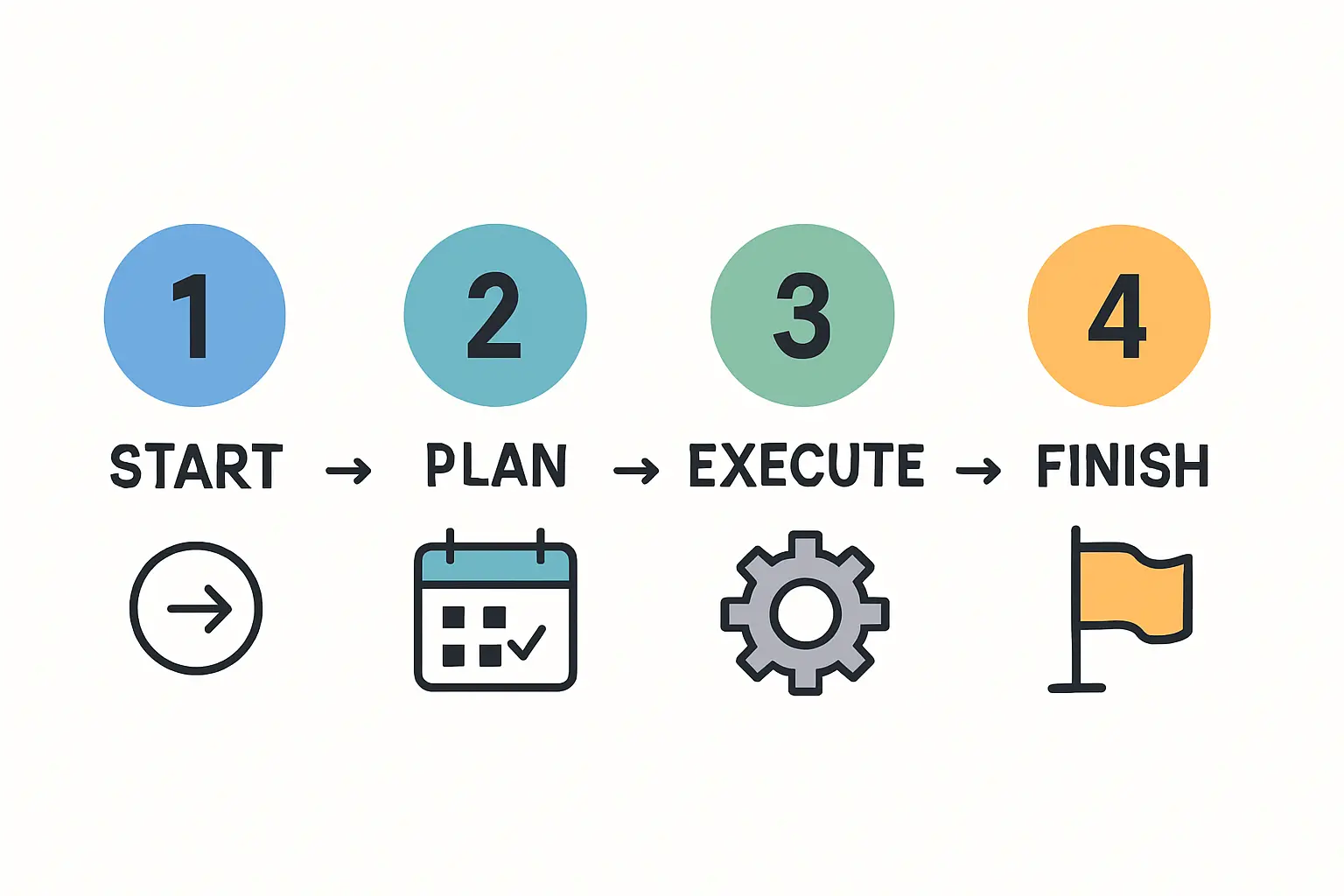
The Export Process: A Step-by-Step Overview
Shipping solar modules involves more than just booking space on a vessel; it’s a coordinated sequence of events that begins the moment a module leaves the production line. Understanding these steps is crucial for accurate financial and operational planning, especially when considering the factory’s location (https://www.pvknowhow.com/finding-the-right-location-for-a-solar-module-factory/) in relation to the port.
1. Secure Packaging and Palletization
Before leaving the factory, solar modules are carefully stacked, protected with corner guards, and shrink-wrapped onto wooden pallets. A typical pallet holds 30–35 modules. This method is essential for preventing micro-cracks, scratches, and other damage during transit.
2. Containerization
The palletized modules are then loaded into standard shipping containers. The most common choice is the 40-foot High Cube (HC) container, which offers slightly more vertical space. A key business metric is that one 40ft HC container can typically accommodate 20–22 pallets, which translates to approximately 650–750 solar modules, depending on their size and wattage. This figure is a critical variable for calculating shipping costs per unit.
3. Inland Transport and Port Delivery
A truck hauls the sealed container from the manufacturing facility to the Port of Kaohsiung’s container terminal. This seemingly simple step requires careful coordination to meet the vessel’s loading schedule.
4. Customs Clearance
Before the container can be loaded onto the ship, it must clear Taiwanese export customs. This involves submitting a set of critical documents:
- Commercial Invoice: Details the transaction between the seller and buyer.
- Packing List: Specifies the contents of the shipment, including quantities, weights, and dimensions.
- Bill of Lading (B/L): The contract between the cargo owner and the shipping line.
- Certificate of Origin: Certifies that the goods were manufactured in Taiwan.
Engaging a reliable freight forwarder or customs broker is standard practice to ensure this process is handled correctly and efficiently.
Understanding and Budgeting for Shipping Costs
Accurately forecasting logistics costs is essential for any business plan. The total cost of shipping a container of finished solar modules (https://www.pvknowhow.com/a-beginners-guide-to-solar-panel-components/) includes several elements:
- Ocean Freight: This is the core cost of moving the container from the Port of Kaohsiung to the destination port (e.g., Jebel Ali, Lagos, Rotterdam). It fluctuates based on global demand, fuel prices, and the route, and is typically quoted for a Full Container Load (FCL).
- Terminal Handling Charges (THC): Fees charged by both the origin and destination ports for handling the container.
- Customs Brokerage: The fee for preparing and submitting customs documentation.
- Insurance: Marine insurance is highly recommended to cover potential loss or damage during transit.
For example, based on experience from past J.v.G. turnkey projects, the cost to ship a 40ft container from Taiwan to a major port in the Middle East or West Africa can range from $3,000 to $7,000 USD. This cost varies significantly with market rates, making it crucial to obtain current quotes when developing a financial model.

Frequently Asked Questions (FAQ)
What are Incoterms and why are they important?
Incoterms (International Commercial Terms) are a set of predefined commercial terms from the International Chamber of Commerce (ICC). They define the responsibilities of sellers and buyers for the delivery of goods. Common terms like FOB (Free On Board) and CIF (Cost, Insurance, and Freight) specify exactly when the ownership and risk of the goods transfer from seller to buyer. A clear understanding of Incoterms is vital for avoiding disputes.
How long does shipping from Taiwan typically take?
Transit times vary significantly by destination:
- To the Middle East (e.g., Jebel Ali): Approximately 18–25 days.
- To Europe (e.g., Rotterdam): Approximately 30–40 days.
- To West Africa (e.g., Lagos): Approximately 40–50 days.
- To North America (West Coast): Approximately 15–22 days.These are sea transit times only and do not account for inland transport or customs clearance at the destination.
What is the role of a freight forwarder?
A freight forwarder is a logistics specialist that orchestrates the entire shipping process on behalf of the exporter. They arrange everything from booking container space on a vessel and managing customs documentation to coordinating inland transport. For a new manufacturer, a good freight forwarder is an indispensable partner.
Are there special handling requirements for solar modules at the destination port?
Yes. While solar modules are robust, they are also sensitive. Logistics partners at the destination port must be instructed to handle the containers with care. Unloading requires the right equipment to prevent shocks or impacts that could cause micro-cracks in the solar cells.
Successfully navigating the complexities of international logistics is a fundamental pillar of a profitable solar manufacturing business. By understanding the processes, infrastructure, and costs involved, entrepreneurs can build a resilient supply chain that delivers their products to global markets reliably and cost-effectively. This foresight transforms a potential operational bottleneck into a competitive advantage.