An investor looking at Tajikistan’s energy market might notice a compelling contradiction. The nation generates approximately 98% of its electricity from hydropower, placing it among the world’s leaders in renewable energy.
Yet, this very dependency creates a significant vulnerability. Seasonal water fluctuations and the long-term impacts of climate change threaten energy stability, making diversification an urgent priority. Here, solar photovoltaic (PV) manufacturing presents a strategic opportunity.
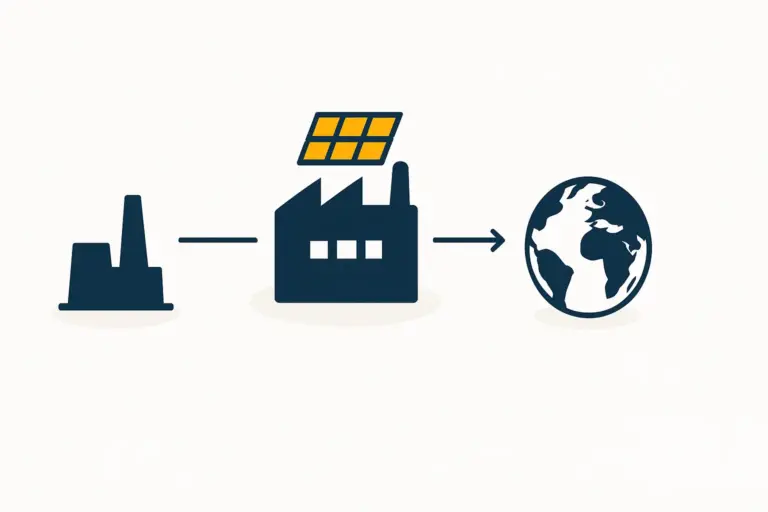
However, for an entrepreneur considering this venture, the first major non-technical challenge is logistics. Tajikistan is a double-landlocked country, meaning all heavy manufacturing equipment and continuous supplies of raw materials must be imported over land through multiple international borders. This article offers a practical analysis of the logistical pathways, customs procedures, and strategic considerations for establishing a solar manufacturing supply chain in Tajikistan.
The Strategic Imperative for Solar in a Hydropower-Dominant Nation
Tajikistan’s reliance on its vast hydropower resources, exemplified by massive projects like the Rogun Dam, has long been a cornerstone of its energy policy. While effective, this single-source dependency introduces risks that solar power is well-suited to mitigate.
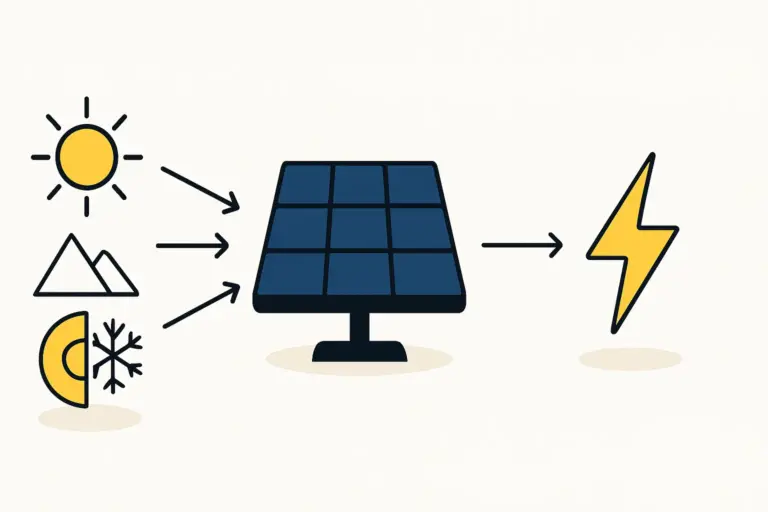
Solar generation perfectly complements hydropower. It performs best during the hot, dry summer months when river flows may be lower, ensuring a more consistent year-round energy supply. Furthermore, decentralized solar installations can provide power to remote, mountainous communities where extending the national grid is economically unfeasible. Recognizing this, the Tajik government has cultivated a highly favorable environment for investment in renewable energy—a critical factor that directly impacts logistical planning.
Navigating the Core Challenge: A Landlocked Supply Chain
The primary logistical hurdle for any industrial project in Tajikistan is its geography. With no direct sea access, all cargo must first arrive at a port in a neighboring or nearby country and then be transported overland. The efficiency, cost, and reliability of this journey are defining factors for a project’s success.
Selecting the optimal transport corridor is one of the most important initial decisions. The choice depends on the equipment’s point of origin (typically China or Europe), political stability in transit countries, seasonal weather conditions, and overall cost.
Primary Transport Corridors to Tajikistan
There are three principal corridors for moving heavy equipment and materials into the country, each with distinct advantages and challenges.

1. The Northern Route (via China)
This has become the most strategic and reliable route for equipment originating in Asia.
Path: Cargo arrives at a major Chinese port such as Tianjin or Qingdao and is then transported by rail or truck across China to the Kulma Pass, the primary border crossing with Tajikistan.
Advantages: China’s Belt and Road Initiative (BRI) has led to significant infrastructure investment along this corridor, improving road and rail quality. This route involves only one border crossing from the port country, simplifying customs.
Considerations: The high-altitude Kulma Pass (over 4,300 meters) can be closed during harsh winter months, requiring careful seasonal planning.
2. The Southern Route (via Pakistan)
Historically a common option, this route faces more variables.
Path: Goods arrive at the port of Karachi or Gwadar in Pakistan. From there, they are trucked overland through Afghanistan or, less commonly, via the Karakoram Highway through China.
Advantages: This can be a shorter overland distance compared to other options.
Considerations: Transit through Afghanistan introduces significant security and political instability risks, leading to unpredictable delays and increased insurance costs. The Karakoram Highway is also prone to weather-related closures.
3. The Western Route (via Turkey or Georgia)
This route is most relevant for equipment sourced from Europe.
Path: Cargo arrives at ports like Mersin (Turkey) or Poti (Georgia). It then travels overland through the Caucasus, across the Caspian Sea by ferry, and through several Central Asian countries (Turkmenistan and Uzbekistan) to reach Tajikistan.
Advantages: It provides a direct pathway from European manufacturing hubs.
Considerations: This is the most complex route, involving multiple border crossings, a sea ferry, and coordination between different national rail and road systems. As a result, it is often the most time-consuming and expensive option.
On-the-Ground Realities: Infrastructure and Last-Mile Delivery
Once goods enter Tajikistan, the ‘last mile’ of the journey presents its own set of challenges. While major highways connecting Dushanbe to other key cities are improving, the country’s mountainous terrain means road conditions can be difficult, particularly when transporting sensitive, oversized manufacturing equipment to sites outside the capital.

The national rail network is limited, making heavy-duty trucks the primary mode of internal transport. Any project plan must account for potential delays caused by road conditions, especially if the factory is located in a regional area. Factoring in these logistical realities is a core component of evaluating a project’s overall factory infrastructure requirements.
Customs, Tariffs, and Government Incentives: A Critical Analysis
Here, a significant opportunity emerges for investors. To encourage the development of a domestic renewable energy industry, the Government of Tajikistan offers substantial incentives. Under prevailing legislation, the importation of technological equipment, components, and raw materials for producing renewable energy is typically exempt from customs duties and Value Added Tax (VAT).
This powerful financial incentive can dramatically reduce the initial capital investment. However, accessing these benefits requires a meticulous and professionally managed customs clearance process.

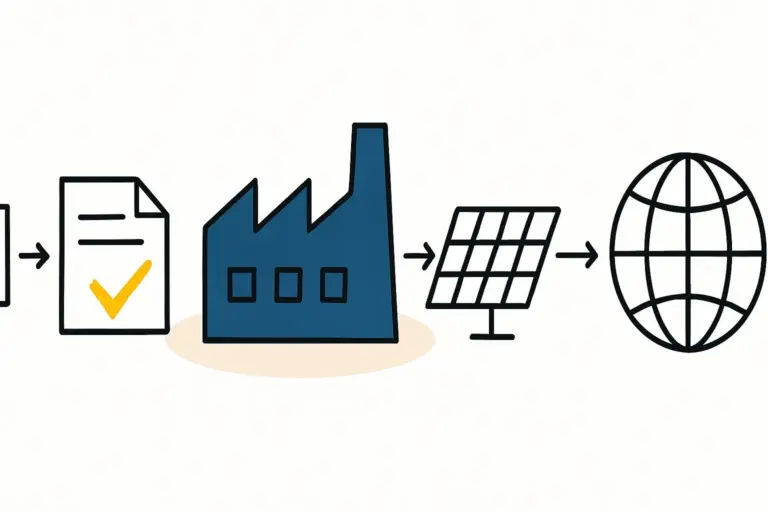
The process generally involves:
-
Pre-Arrival Documentation: Submitting a detailed cargo manifest, certificates of origin, and technical specifications to the customs authority.
-
Application for Exemption: Filing a formal application demonstrating that the imported goods qualify under the renewable energy incentive program.
-
Border Inspection: Physical inspection of the goods upon arrival to verify them against the submitted documents.
-
Final Clearance: Issuance of clearance documents upon successful verification.
Given the complexity, engaging an experienced local customs broker is not just recommended—it is essential for avoiding costly delays and ensuring all documentation complies with local regulations.
A Business-Focused Look at Costs and Timelines
For planning purposes, entrepreneurs should approach logistics with realistic expectations for both cost and time.
Cost Structure
While sea freight to the initial port of entry (e.g., Tianjin or Karachi) represents a relatively small part of the total cost, the overland trucking or rail portion will be the most significant logistical expense. This leg of the journey can account for 50-70% of the total shipping budget.
Timeline Expectations
The total transit time from a major port of origin to the factory site in Tajikistan typically ranges from 60 to 120 days. This wide range is influenced by the chosen route, time of year, potential weather delays, and the efficiency of customs clearance at multiple borders. Mitigating these variables requires effective supply chain management.
The Indispensable Role of Local Partnerships
Successfully navigating Tajikistan’s logistical landscape requires deep local expertise. Attempting to manage the process remotely is fraught with risk. Experience from turnkey projects in emerging markets confirms that securing a competent local logistics partner is one of the most critical early steps. A reliable partner will manage on-the-ground transport, navigate the nuances of customs bureaucracy, and provide invaluable problem-solving capabilities.
Frequently Asked Questions (FAQ)
What is the most reliable transport route for heavy machinery from Asia?
The Northern Route through China is currently considered the most stable and reliable option, benefiting from modern infrastructure and a streamlined cross-border process at the Kulma Pass, outside of winter closures.
Are there government incentives for importing solar manufacturing equipment?
Yes, the Tajik government provides significant exemptions from customs duties and VAT for equipment and materials intended for renewable energy production. Proper documentation is crucial to qualify for these benefits.
How long should a business budget for shipping and customs clearance?
A conservative yet realistic timeline to budget for is 60 to 120 days from the port of origin to the final destination within Tajikistan.
Is a local logistics partner in Tajikistan necessary?
It is highly recommended. A local partner has the necessary relationships, language skills, and understanding of local regulations to navigate customs and on-the-ground transport efficiently, preventing costly delays that can impact the entire project timeline.
Conclusion and Next Steps for Your Project
Tajikistan offers a compelling business case for solar module manufacturing, driven by a national need for energy diversification and supported by strong government incentives. However, the country’s landlocked geography places a premium on expert logistical planning.
Success is determined not simply by manufacturing a product, but by the ability to establish and maintain a resilient supply chain to support that production. Understanding the primary transport corridors, anticipating infrastructure challenges, and leveraging local partnerships are fundamental pillars for anyone serious about starting a solar module factory in the region. For those ready to act, a careful, informed logistical analysis is the first step toward turning this strategic opportunity into a successful industrial reality.