An entrepreneur in Dushanbe looks out at the clear, sunny sky—one of over 300 such days the country enjoys each year. At the same time, he is acutely aware of the energy challenges that often plague the cold winter months. This contrast between abundant solar resources and seasonal energy deficits poses a compelling question: Is there a real business opportunity in manufacturing solar modules locally?
The answer isn’t simple. It requires a careful evaluation of two distinct paths: serving the growing domestic need for energy diversification or tapping into the vast, power-hungry markets of neighboring countries. This analysis provides a market overview for investors considering a move into Tajikistan’s emerging solar manufacturing sector.
Understanding Tajikistan’s Unique Energy Landscape
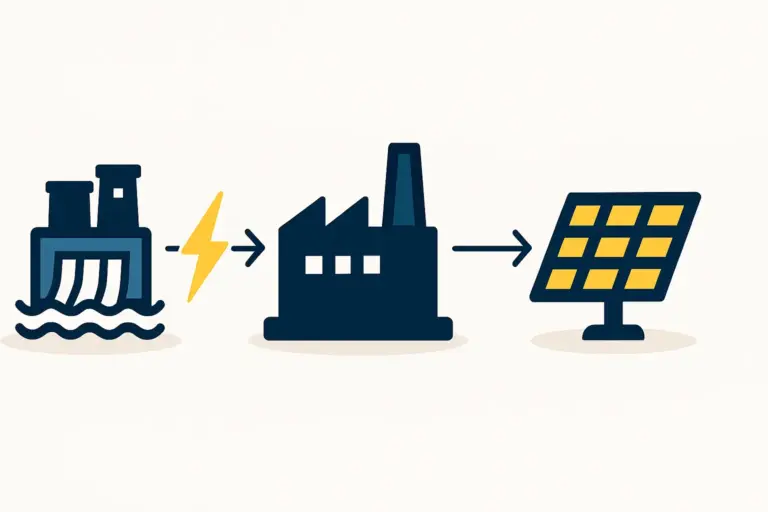
At first glance, Tajikistan appears to be an energy powerhouse. With approximately 98% of its electricity generated from hydropower, the country is a net energy exporter. But this heavy reliance on a single source also creates significant vulnerabilities.
Hydropower is seasonal and vulnerable to climate change’s impact on water levels. This often leads to energy deficits during the peak demand of winter, forcing the nation to import electricity.
Recognizing this, the Tajik government has set ambitious goals to diversify its energy mix, targeting an additional 1,000 MW of renewable energy capacity by 2030, with a substantial 700 MW planned to come from solar power. This strategic pivot isn’t just about capacity—it’s about security. With an estimated solar potential of 25 billion kWh per year, solar energy directly and effectively complements the existing hydro infrastructure.

The Case for a Domestic-First Strategy
Focusing on the local market first offers a new solar module manufacturer a logical and structured path. The demand is clear, tangible, and driven by national priorities.
Addressing National Energy Security
Locally manufactured solar modules can directly address the nation’s primary energy challenge: winter power shortages. Solar power, while strongest in summer, provides consistent energy even during the sunny, cold days of winter, reducing reliance on energy imports and stabilizing the national grid. Aligning with these national interests can create a supportive environment for new ventures.
Powering Industrial and Rural Growth
Tajikistan’s economic development depends on reliable energy. New industrial zones and businesses cannot afford disruptions, and a significant portion of the rural population remains off-grid. Solar provides a decentralized, scalable solution to power these engines of growth.
A local factory could supply tailored products, including:
- Small-scale off-grid systems for remote communities.
- Rooftop solar installations for commercial and industrial facilities.
- Utility-scale solar farms contributing to the national grid.
The Government’s Role and Potential Incentives
The government’s renewable energy targets serve as a clear market signal. Investors who contribute to these goals are likely to find a favorable regulatory environment. By producing locally, a manufacturer isn’t just selling a product; they’re contributing to a national strategic objective—a significant advantage.
Exploring the Export Potential in Neighboring Markets
While the domestic market provides a solid foundation, the long-term growth potential for a Tajik solar enterprise could lie in exports. The country’s strategic location in Central Asia places it at the crossroads of several high-demand markets.
Afghanistan: A Market Defined by Urgent Need
Afghanistan faces a severe electricity deficit and relies heavily on imports, including from Tajikistan. Its underdeveloped national grid makes decentralized solar power an ideal solution for electrifying homes, businesses, and essential services. A Tajik manufacturer would have a distinct logistical advantage in serving this market, offering a more reliable supply chain than distant competitors.
Uzbekistan: A Large and Competitive Arena
Uzbekistan, a regional economic leader, has ambitious plans to install 5 GW of solar capacity by 2030. While this represents an enormous opportunity, the market is also competitive and attracts international players. A Tajik exporter would need a clear value proposition—perhaps focusing on quality, specific module types, or flexible delivery terms—to succeed.
Kyrgyzstan: A Structurally Similar Partner
Much like Tajikistan, Kyrgyzstan is heavily dependent on hydropower and experiences similar winter energy deficits. This shared challenge creates a natural, symbiotic market. Tajik-made solar modules can help Kyrgyzstan diversify its energy sources, creating a logical and stable export relationship based on shared regional challenges.

Strategic Decision-Making for the Tajik Investor
The fundamental decision for an investor is whether to satisfy local demand first and then expand, or design the facility for export from day one. This choice deeply impacts the entire venture, from initial cost to long-term strategy.
A successful strategy hinges on a comprehensive business plan. Understanding how to start a solar panel manufacturing business is the critical first step. This requires a detailed analysis of the solar panel manufacturing plant cost, a figure directly influenced by the target production capacity. The choice of market, in turn, shapes the solar panel manufacturing process, since different regions may have unique certification standards or environmental conditions.
Experience from J.v.G. turnkey projects suggests that many new investors find success with a phased approach:
- Phase 1: Establish a modest production line (e.g., 20-50 MW) to serve the domestic market, building a brand and proving operational excellence.
- Phase 2: Use this established base to scale up production and begin exporting to a carefully selected neighboring market, such as Kyrgyzstan or specific regions in Afghanistan.

Frequently Asked Questions (FAQ) for Aspiring Solar Entrepreneurs in Tajikistan
Is it better to focus on the domestic market first?
For most new entrants without prior manufacturing experience, starting with the domestic market is recommended. It allows for a more controlled ramp-up, easier logistics, and direct alignment with national priorities, which can simplify regulatory processes.
How can a Tajik manufacturer compete with Chinese imports?
Competing on price alone is difficult. A successful strategy often involves focusing on other factors:
- Quality: Establishing a ‘Made in Tajikistan’ brand associated with high-quality, durable modules suited to the region.
- Availability: Offering shorter lead times and more reliable local supply.
- Service: Providing local technical support and customer service.
- Specialization: Producing modules specifically designed for local conditions, such as high altitudes or extreme temperatures.
What kind of solar panels are best suited for the region?
The choice of technology depends on the application. For example, highly efficient monocrystalline panels are excellent for space-constrained rooftop installations, while durable polycrystalline or glass-glass modules may be better for large, utility-scale projects in harsh environments. A detailed feasibility study is essential to determine the optimal product mix.
Do I need a technical background to succeed in this industry?
While a technical background can be helpful, it’s not a prerequisite. Many successful solar entrepreneurs come from business, finance, or other industries. The key is to partner with experienced technical consultants and engineers who can manage the operational aspects of the factory. The pvknowhow.com platform provides structured guidance specifically for business professionals entering the solar manufacturing space.
Conclusion: From Analysis to Action
Tajikistan offers a unique and promising landscape for solar module manufacturing. The combination of strong domestic demand, driven by energy security needs, and significant export opportunities creates a compelling business case. The path to success lies not in choosing one market over the other, but in developing a strategic, phased approach that leverages the strengths of both.
The critical next step for any potential investor is to move from this high-level analysis to a detailed feasibility study and business plan. With careful planning and the right partnerships, a solar manufacturing facility in Tajikistan can become a profitable enterprise and a key contributor to the energy security of the entire region.