When entrepreneurs explore the solar manufacturing sector, their attention often gravitates toward established industrial hubs. Yet, significant strategic advantages can be found in emerging markets that offer strong government support and untapped regional access.
Tajikistan, with its designated Free Economic Zones (FEZs), is a compelling option for investors aiming to establish a foothold in Central Asia. The appeal extends beyond lower operational costs; it centers on a framework designed to accelerate growth, minimize tax burdens, and streamline market entry. For any business professional considering this unique opportunity, understanding the mechanics of these zones is the first step.
Understanding the Free Economic Zone (FEZ) Advantage in Tajikistan
A Free Economic Zone is a geographical area within a country where business and trade laws differ from the rest of the nation. The primary goal is to attract foreign direct investment, boost exports, and create jobs by offering substantial financial and administrative incentives.
Tajikistan has strategically established several FEZs—including Sughd, Panj, Danghara, and Ishkoshim—as central pillars of its ‘Green Economy Development Strategy for 2023–2037.’ For a solar module manufacturer, operating within one of these zones means entering a protected, pro-business environment tailored for industrial development.
The Financial and Regulatory Framework: Key Incentives for Manufacturers
The financial benefits of establishing a factory in a Tajik FEZ are among the most significant. The government has structured these zones to eliminate many of the typical tax and customs burdens associated with manufacturing, allowing for greater capital reinvestment and a faster path to profitability.
Tax Exemptions: A Significant Capital Advantage
Entrepreneurs operating within a Tajik FEZ are entirely exempt from nearly all forms of corporate taxation. This includes:
- Corporate Profit Tax
- Value-Added Tax (VAT)
- Sales Tax (on cotton and aluminum)
- Road Tax
- Property Tax
This comprehensive tax holiday significantly improves a project’s financial viability. For a typical 20–50 MW solar module production line, the capital saved from these exemptions during the critical first five years of operation can be substantial, freeing up resources for expansion, training, and technology upgrades.
Customs and Duties: Streamlining Your Supply Chain
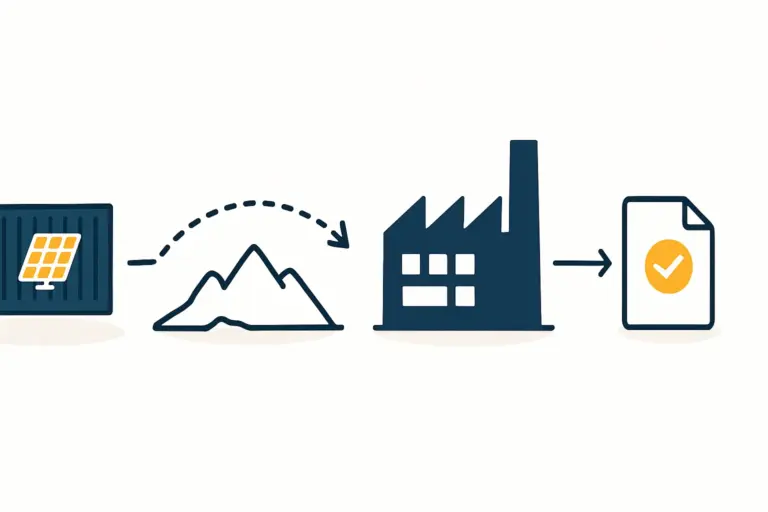
A solar module assembly plant relies on a global supply chain for its machinery and raw materials. All equipment, components, and materials imported for production purposes into a Tajik FEZ are exempt from customs duties and taxes.
This exemption provides a critical advantage. When procuring an entire line of solar module manufacturing equipment—from stringers and laminators to testers—the savings from waived import duties can represent a significant portion of the initial investment. This allows investors to allocate more capital toward higher-quality machinery or a larger production capacity from the outset.

Currency and Repatriation Regulations
A common concern for international investors is the ability to manage finances across borders. Regulations within Tajikistan’s FEZs address these concerns directly. Businesses are permitted to maintain foreign currency accounts and have the unrestricted right to repatriate their profits and capital abroad after fulfilling their obligations. This provides the financial stability and flexibility essential for long-term planning.
Operational Considerations for Your Solar Factory
Beyond financial incentives, FEZs are structured to reduce bureaucratic hurdles and simplify day-to-day operations.
Simplified Administrative Procedures
The Tajik government has implemented a ‘single window’ system for registration and permit acquisition within the FEZs. This centralized approach drastically reduces the time and administrative complexity required to make a new factory operational. For an entrepreneur unfamiliar with the local regulatory landscape, this streamlined process is a critical advantage, minimizing delays and potential missteps.
Labor and Workforce
FEZ regulations include simplified procedures for hiring foreign technical specialists and managers, ensuring that a new venture can bring in the necessary expertise to establish world-class production standards.
These zones also provide access to a local workforce. Based on experience from turnkey projects, integrating expert-led training programs is essential to develop local talent and ensure consistent product quality from day one.
Infrastructure and Land Access
FEZs are developed with industrial needs in mind, offering access to essential infrastructure like electricity, water, and transportation networks. Businesses can secure long-term land leases, often for up to 50 years, providing the stability required for a significant capital investment like a manufacturing plant.
Strategic Location: Accessing Central Asian and Global Markets
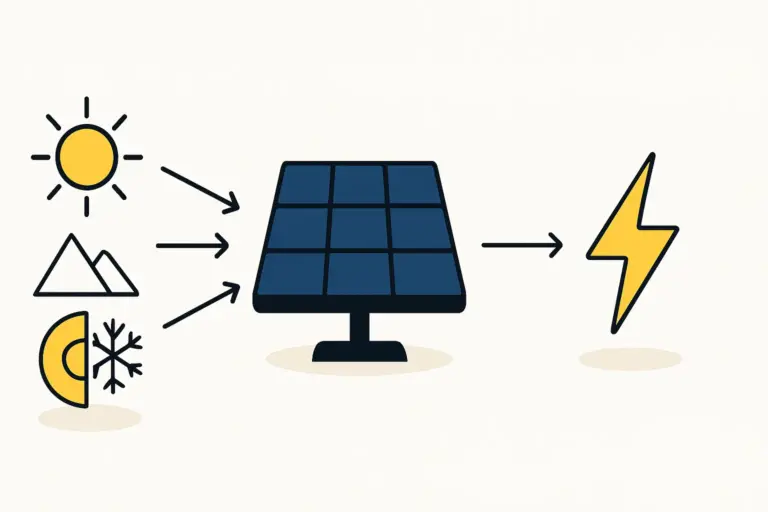
Tajikistan’s geography offers another key advantage. Bordering China, a primary source of solar cells and other raw materials, significantly reduces supply chain lead times and logistics costs.
A factory in Tajikistan is also ideally positioned to serve the growing demand for renewable energy in Central Asia (including Uzbekistan and Kazakhstan) and neighboring markets such as Afghanistan and Pakistan. This transforms the venture from a simple manufacturing operation into a strategic export hub for a region with immense solar potential.
Navigating the Setup Process: From Plan to Production
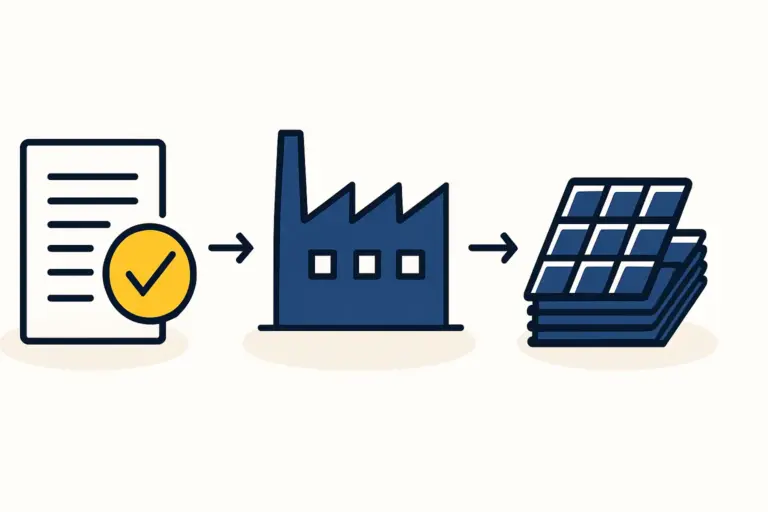
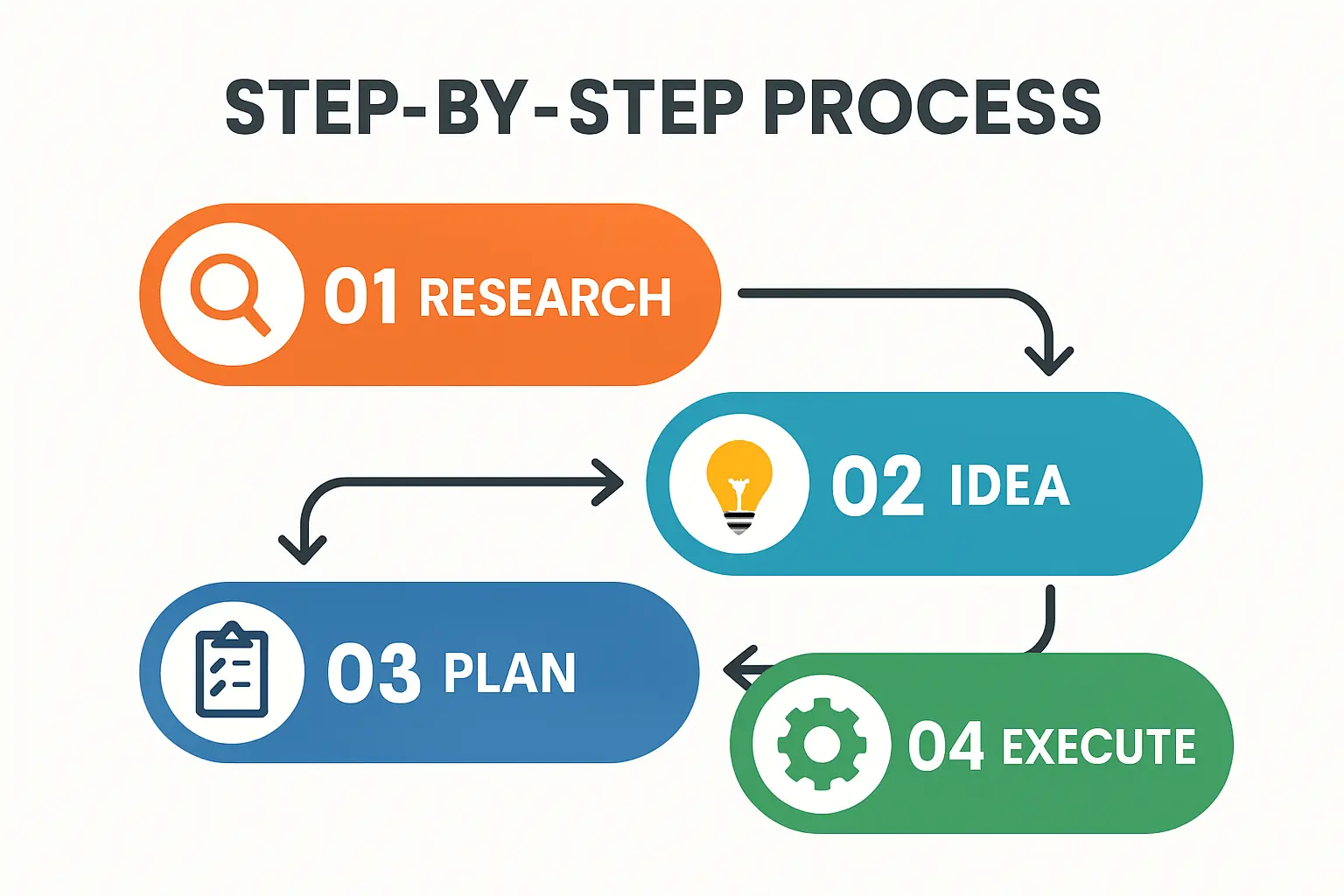
While the benefits are clear, the process requires careful planning. A typical project timeline follows a structured path:
- Business Registration and FEZ Application: Submitting a detailed business plan and completing the formal registration to become an FEZ entity.
- Securing Land and Permits: Finalizing the land lease agreement and obtaining the necessary construction and environmental permits through the single-window system.
- Equipment Procurement and Logistics: Sourcing, purchasing, and importing the full production line. This step is a foundational part of starting a solar panel manufacturing business.
- Facility Construction and Line Installation: Overseeing the factory build-out and the technical installation and commissioning of all machinery.
- Hiring and Staff Training: Recruiting local and international staff and implementing rigorous training protocols.
- Commencing Production: Initiating pilot production runs, quality assurance checks, and scaling up to full capacity.
With expert guidance and a clear project plan, this entire sequence—from registration to the first module produced—can often be accomplished in 12 to 18 months.
Frequently Asked Questions (FAQ)
What is the typical minimum investment for a small-scale solar factory in an FEZ?
While costs vary, a semi-automated 20–50 MW production line generally requires an initial investment in the range of several million dollars, covering machinery, facility setup, and initial working capital. The FEZ incentives significantly reduce this burden compared to non-FEZ locations.
Are there language barriers for conducting business?
Russian is widely spoken in business and government, and Tajik is the official language. However, English is increasingly common in the business community, and professional translation and legal services are readily available to bridge any communication gaps.
How stable is the environment for foreign investors?
The Tajik government has actively promoted foreign investment through legislation and the creation of the FEZs. The national focus on developing a ‘green economy’ provides a stable, long-term policy foundation for businesses in the renewable energy sector.
Can products manufactured in an FEZ be sold within Tajikistan?
The primary purpose of FEZs is to promote exports. Typically, up to 20% of products can be sold in the domestic Tajik market, but they would then be subject to standard taxes and duties. The remaining 80% or more must be exported.
Conclusion: Is a Tajik FEZ the Right Move for Your Venture?
Establishing a solar module factory in a Tajik Free Economic Zone is a non-traditional path that offers exceptional advantages. This combination of comprehensive tax exemptions, duty-free imports, streamlined administration, and strategic market access builds a powerful business case.
For the strategic entrepreneur, this represents an opportunity to build a competitive manufacturing operation in the heart of an emerging economic region. Success, however, is not automatic. It requires meticulous planning, technical expertise, and a deep understanding of the local operational landscape—the very foundation upon which a durable and profitable solar venture is built.