For any entrepreneur entering the solar manufacturing sector, the business case typically boils down to two critical factors: capital expenditure for equipment and the operational cost of production.
While machinery often gets the most attention, a less-discussed but equally vital component is the cost and stability of electricity. Modern solar factories are energy-intensive; an unreliable or expensive power supply can undermine profitability from day one.
This creates a paradox: many regions with high solar irradiation—ideal for deploying solar panels—also suffer from weak grid infrastructure, making them challenging locations for manufacturing. However, an unconventional opportunity lies in a place one might not expect: Tajikistan, a country whose immense hydropower resources offer a unique strategic advantage for producing the very technology designed to capture the sun.
The Energy Dilemma in Solar Manufacturing
Producing a solar module consumes a great deal of electrical energy. From powering laminators and testers to running the advanced robotics in a stringer machine, electricity is a primary operational cost. The total energy consumption dictates the cost-per-watt of the final product, directly influencing market competitiveness.
This challenge has two main dimensions:
-
Cost: In many parts of the world, industrial electricity tariffs make it difficult for new entrants to compete with established players in regions with subsidized energy. A high electricity price translates directly into a higher production cost for every module.
-
Stability: Perhaps even more critical than cost is the stability of the power supply. Unexpected power outages or fluctuations can interrupt sensitive processes like lamination or cell testing. This not only halts production but can also lead to material waste and defective products, creating significant financial losses.
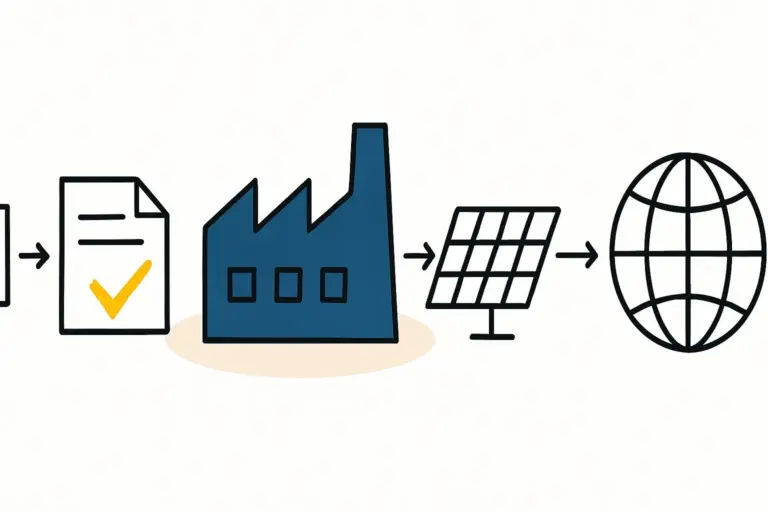
Sourcing the right solar panel manufacturing machines is a foundational step, but ensuring they can be operated affordably and without interruption is what sustains the business. The entire value chain, from polysilicon production to final module assembly, is heavily dependent on this single input.
(Diagram showing the high energy consumption points in the solar value chain, from polysilicon to module assembly.)
Tajikistan’s Unconventional Energy Profile
Tajikistan, a mountainous, landlocked country in Central Asia, has one of the world’s most remarkable energy landscapes. Its geography gives it the highest per-capita hydropower potential on the planet, and it ranks eighth globally in absolute terms. Today, an estimated 98% of the country’s electricity comes from clean, renewable hydropower.

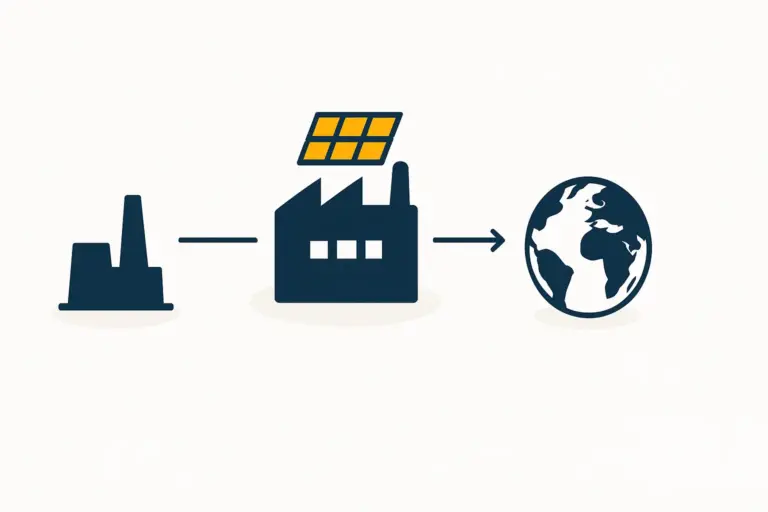
This immense capacity creates a significant seasonal energy surplus. During the summer months, from May to September, melting glaciers feed the nation’s rivers, allowing its hydropower plants to operate at maximum capacity. This output far exceeds domestic demand, resulting in a substantial surplus of low-cost electricity that is exported to neighboring countries like Uzbekistan and Afghanistan.
(Graph illustrating the seasonal hydropower surplus in Tajikistan, with peaks in summer months.)
Furthermore, the ongoing construction of the Rogun Dam, set to be the tallest in the world, is projected to double the country’s electricity generation capacity. This development will not only eliminate historical winter power shortages but will also dramatically increase the annual energy surplus, making more low-cost power available for industrial consumption.
Connecting Hydropower Surplus to Manufacturing Success
For a solar manufacturer, Tajikistan’s energy profile presents a clear strategic opportunity. The country’s hydropower surplus directly solves the industry’s core energy dilemma by offering electricity that is both exceptionally low-cost and highly stable.
Industrial electricity tariffs in Tajikistan have been reported at approximately $0.023 USD per kilowatt-hour—a fraction of the industrial rate in most European, North American, or even other Asian nations. For an energy-intensive business like solar manufacturing, this differential is not a minor detail; it is a fundamental competitive advantage that can redefine the financial viability of a new venture.
A lower energy cost per module allows a manufacturer to:
- Achieve profitability faster.
- Offer more competitive pricing in regional and international markets.
- Reinvest savings into technology upgrades or capacity expansion.
This is a critical consideration for any entrepreneur evaluating a turnkey solar production line. The long-term profitability of the investment is directly tied to such operational efficiencies.

Beyond Energy: Additional Strategic Considerations
While the energy advantage is the primary draw, other factors contribute to Tajikistan’s potential as a manufacturing hub. The government has actively sought foreign investment, offering incentives and establishing special economic zones to attract industrial projects.
Its central location also provides access to growing markets in Central and South Asia. A comprehensive solar factory investment analysis would, of course, need to model logistics and supply chain costs, but the foundational advantage of low-cost energy provides a powerful starting point. Indeed, experience from past turnkey projects shows that securing a reliable and affordable energy source is one of the most critical milestones in project planning.
Frequently Asked Questions (FAQ)
Is it not ironic to use hydropower to make solar panels?
This is less an irony and more a strategic application of resources. It involves using one abundant form of clean, renewable energy (hydropower) to manufacture another (solar panels) for global deployment. This approach optimizes regional strengths to support the global energy transition.
How stable is the power supply, especially in winter?
Historically, Tajikistan faced winter power deficits due to lower river flows. However, large-scale industrial consumers with state energy agreements are often given priority supply. Furthermore, the new capacity from the Rogun Dam is designed specifically to regulate water flow and ensure year-round energy security, mitigating this seasonal risk for future industrial operations.
Is this advantage only for large-scale factories?
While the cost savings are most pronounced in highly energy-intensive upstream processes like ingot and wafer production, the advantage is significant even for a standard module assembly plant. For a typical 20–100 MW facility, the energy cost savings can substantially improve the business case and shorten the payback period on the initial investment.
What are the logistical challenges of operating in a landlocked country?
Operating in a landlocked country presents logistical challenges that require careful management. A thorough business plan for solar panel manufacturing must include a detailed analysis of supply chain routes for raw materials and export corridors for finished goods. However, developing regional infrastructure and trade agreements can offset these challenges, particularly when the core manufacturing cost is already so low.
Conclusion: A Strategic Opportunity for First Movers
For the discerning entrepreneur, Tajikistan represents a rare convergence of factors. It offers a solution to one of the most persistent operational challenges in solar manufacturing—the need for low-cost, stable electricity. By leveraging the country’s immense hydropower surplus, a new manufacturer can build a powerful and lasting competitive advantage.
This opportunity requires careful planning, due diligence, and expert guidance to navigate the local business landscape. For those with a forward-thinking approach, the prospect of producing solar technology powered by one of the world’s largest clean energy resources is a compelling business proposition. Platforms like pvknowhow.com provide structured educational resources, including an e-course, to help business professionals systematically plan these kinds of ventures.