For international entrepreneurs exploring new frontiers in solar manufacturing, the initial analysis typically focuses on market size, labor costs, and logistics. Yet a less obvious but critical factor—government incentives—can significantly alter a project’s financial viability.
Tajikistan, strategically leveraging its renewable energy potential, has quietly assembled one of the most compelling fiscal packages for investors in the solar sector.
This guide details the specific tax exemptions, holidays, and financial benefits available to foreign investors planning to establish solar production facilities in Tajikistan, offering business professionals the clear, factual understanding needed before committing to a significant capital investment.
Understanding the Strategic Context: Why Tajikistan is Promoting Solar Energy
Understanding the government’s motivation is key to appreciating the strength of these incentives. Tajikistan’s energy strategy is driven by several objectives that make solar manufacturing a national priority:
-
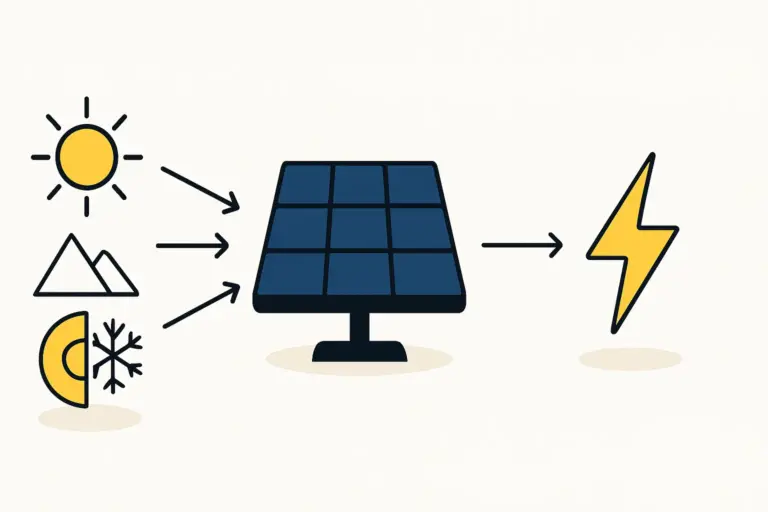
Energy Independence: While rich in hydropower, its output is seasonal, leading to winter energy shortages. Locally manufactured solar panels provide a stable, year-round energy source to complement hydro resources.
-
Economic Diversification: The government is actively working to reduce the country’s reliance on a few key industries and create skilled manufacturing jobs.
-
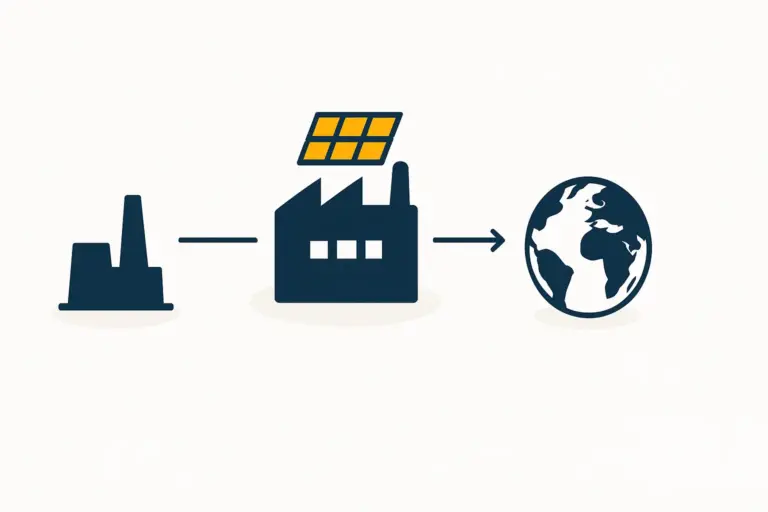
Export Potential: Located in a region with growing energy demands, Tajikistan aims to become an exporter of both electricity and solar technology, leveraging its clean energy credentials.
This strategic alignment means the incentives offered are not temporary promotions but part of a long-term national development plan, ensuring a stable and predictable environment for investors.

Key Tax Exemptions for New Solar Manufacturing Investments
Tajikistan’s government has structured its incentive program to directly address the primary costs for a new manufacturing facility: importing equipment and achieving early-stage profitability.
Value-Added Tax (VAT) Exemption
Under current legislation, investors in the renewable energy sector are exempt from the standard 18% VAT on the import of technological equipment, components, and raw materials required for production.
For a new solar factory, this is a substantial capital-sparing measure. For example, on an initial equipment investment of $5 million for machinery, this exemption translates into an immediate saving of $900,000, which directly reduces the upfront capital required and improves the project’s initial cash flow.
Customs Duties Exemption
In addition to the VAT waiver, the same imported equipment and materials are also exempt from all customs duties. While rates can vary, this exemption offers further relief on the initial capital outlay. Together, the VAT and customs duty exemptions can reduce the cost of importing a complete production line by a significant margin, making the initial investment more accessible.
Corporate Profit Tax Holiday
Perhaps the most attractive incentive is the tiered corporate profit tax holiday. New manufacturing enterprises are granted a full exemption from profit tax for a period determined by the volume of their investment.
The structure is as follows:
- Investment over $200,000: 2 years of profit tax exemption.
- Investment over $500,000: 3 years of profit tax exemption.
- Investment over $2 million: 4 years of profit tax exemption.
- Investment over $5 million: 5 years of profit tax exemption.
This tax holiday allows a new venture to reinvest all its early profits back into the business—for expansion, training, or strengthening its financial position—during the critical ramp-up phase.
The Practical Application: How to Qualify for These Incentives
Accessing these benefits requires a structured approach and engagement with the appropriate government bodies. The primary authority is the State Committee on Investments and State Property Management of the Republic of Tajikistan.
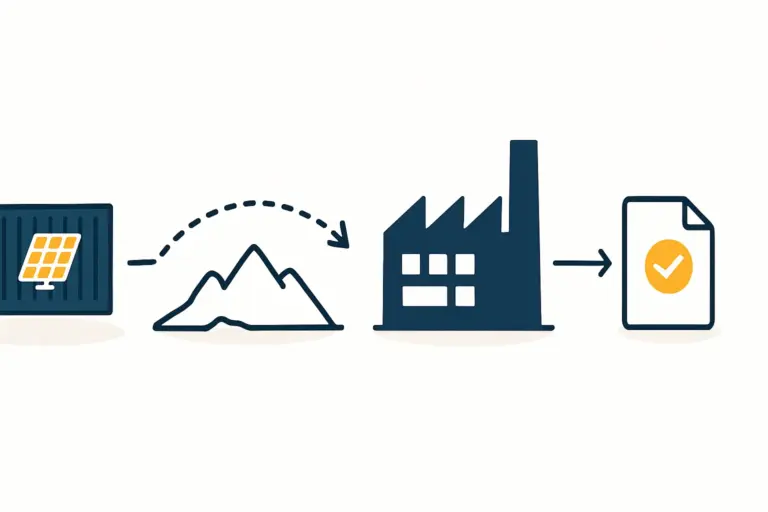
The process typically involves submitting a detailed investment proposal—which must include a comprehensive business plan—that outlines the project’s scope, financial projections, and contribution to the local economy. Investing in a turnkey solar module production line can simplify this stage. The well-documented equipment lists, production capacities, and technical specifications of a turnkey line form a solid basis for the investment agreement with the government.
Based on experience from J.v.G. turnkey projects in emerging markets, having a clear, professionally prepared plan is fundamental to a smooth and successful negotiation with investment authorities.

Beyond Taxes: Additional Government Support Mechanisms
The supportive framework extends beyond fiscal incentives. The Tajik government has implemented several measures to improve the ease of doing business for foreign investors:
-
Streamlined Registration: Simplified ‘single window’ procedures for business registration.
-
Investor Protections: Legal frameworks that guarantee the rights of foreign investors, including the right to repatriate profits.
-
Land Allocation: Simplified procedures for allocating land for the construction of new production facilities.
These administrative supports work in concert with the tax benefits to create a favorable investment climate.
Frequently Asked Questions (FAQ) about Tajikistan’s Solar Incentives
For entrepreneurs considering this opportunity, several common questions arise.
Are these incentives only for large-scale manufacturers?
No. The corporate profit tax holiday begins at an investment level of just over $200,000. This makes the incentives accessible for a range of operations, including a semi-automated 25 MW solar panel factory, which represents a common entry point into the market.
How long does the application process typically take?
While timelines can vary, a well-prepared application with all necessary documentation can generally be processed within a few months. The clarity and completeness of the investment proposal are the most critical factors in expediting the process.
Do the exemptions apply to spare parts and maintenance equipment imported later?
Typically, the initial investment agreement can be structured to cover the import of necessary spare parts and consumables under the same tax-exempt terms, but this must be clearly specified during negotiations.
What is the standard corporate profit tax rate after the holiday period ends?
After the exemption period expires, the standard corporate profit tax rate of 18% applies for manufacturing enterprises.
Is there government support for exporting the finished solar modules?
Yes, the government’s strategy includes promoting exports. While direct export subsidies may vary, free trade agreements with CIS countries and other regional partners can provide preferential market access for modules produced in Tajikistan.

Next Steps in Your Investment Journey
Tajikistan’s comprehensive incentive package presents a compelling financial case for establishing a solar manufacturing facility. The combination of significant upfront tax savings and a multi-year profit tax holiday can dramatically improve the return on investment and shorten the payback period for a new project.
Capitalizing on this opportunity requires diligent preparation. The essential first step for any serious investor is developing a detailed solar manufacturing business plan. This document serves not only as your internal roadmap but also as the cornerstone of your proposal to the Tajik authorities. A robust plan demonstrates foresight and professionalism, building the trust essential for a successful partnership.