An entrepreneur in Riyadh, already successful in logistics, looks at a map. He sees North Africa not just as a market, but as a manufacturing base to serve both Europe and the growing African continent. His interest is in solar panel manufacturing—a sector with immense potential.

His primary concerns, however, are not technical; they are legal and financial. Can he own 100% of the company? If the venture is profitable, can he transfer the profits back home? Is his multi-million-dollar investment protected from arbitrary state action?
These are fundamental questions for any international investor considering a significant capital outlay abroad. For those looking at Tunisia, the answers are found within a single, transformative piece of legislation: Investment Law No. 2016-71. This law replaced an outdated and complex framework with a clear, modern system aligned with international standards, providing a secure foundation for projects like solar module manufacturing.
Why Tunisia’s Legal Framework Matters for Solar Investors
Before 2016, investing in Tunisia meant navigating a dense web of regulations that often created uncertainty for foreign entities. The introduction of Investment Law No. 2016-71 signaled a fundamental shift. It was designed to stimulate economic growth by making Tunisia a more attractive destination for Foreign Direct Investment (FDI).
For an aspiring solar module manufacturer, this legal framework is not a mere formality; it is the bedrock of the business plan. It directly impacts financial models, risk assessments, and operational strategies. The law provides clear answers to the most critical questions an investor will ask, moving the conversation from ‘Is it possible?’ to ‘How do we proceed?’.
Experience from J.v.G. turnkey projects across international markets shows that a transparent and protective legal environment is a decisive factor in the final investment decision. Tunisia’s law addresses this head-on.
Core Principles of Investment Law No. 2016-71
The law is built on several key principles that directly benefit foreign investors. Understanding these articles is the first step toward building a confident investment strategy.
Unrestricted Foreign Ownership
For many entrepreneurs, a primary concern is the level of control they can retain over their investment. Article 3 of the law establishes the freedom to invest, which for a solar manufacturing project, generally permits 100% foreign ownership without requiring a local partner. This ensures that the investor maintains full control over the company’s direction, operations, and finances. While certain regulated sectors have restrictions, industrial manufacturing for export, such as solar panels, typically falls under this principle of open access.
The Guarantee of National Treatment
To create a level playing field, the law ensures foreign investors are not at a disadvantage compared to their domestic counterparts. Article 4 guarantees ‘national treatment,’ meaning a foreign investor receives the same treatment as a Tunisian investor under the law. This principle applies to everything from company registration to operational permits. The primary exception relates to the ownership of agricultural land, which is not a factor when establishing a manufacturing facility in a designated industrial zone.
Security and Protection of Your Investment
Investment security is paramount. The law provides explicit safeguards for invested capital. Article 6 ensures investors receive ‘fair and equitable treatment.’ Crucially, it protects against expropriation unless it is for a public purpose, is non-discriminatory, and is accompanied by fair and adequate compensation. This clause provides a strong layer of legal security, mitigating a key perceived risk of investing in emerging markets.
Repatriation of Profits: A Critical Consideration
The ultimate goal of any investment is a return. The ability to freely access and transfer that return is non-negotiable. Article 9 is perhaps one of the most important provisions for a foreign investor. It explicitly guarantees the freedom to transfer funds abroad—including dividends, profits, and the proceeds from the sale of the business—provided the investor has fulfilled local tax and social security obligations. This article removes the fear of ‘trapped capital,’ a major deterrent in many other jurisdictions.
The Practical Process: Engaging with the Tunisian Investment Authority (TIA)
To streamline the investment process, the Tunisian government established the Tunisian Investment Authority (TIA) as a ‘single point of contact’ for investors. This agency guides investors through the necessary administrative steps, from initial application to final operational approval.
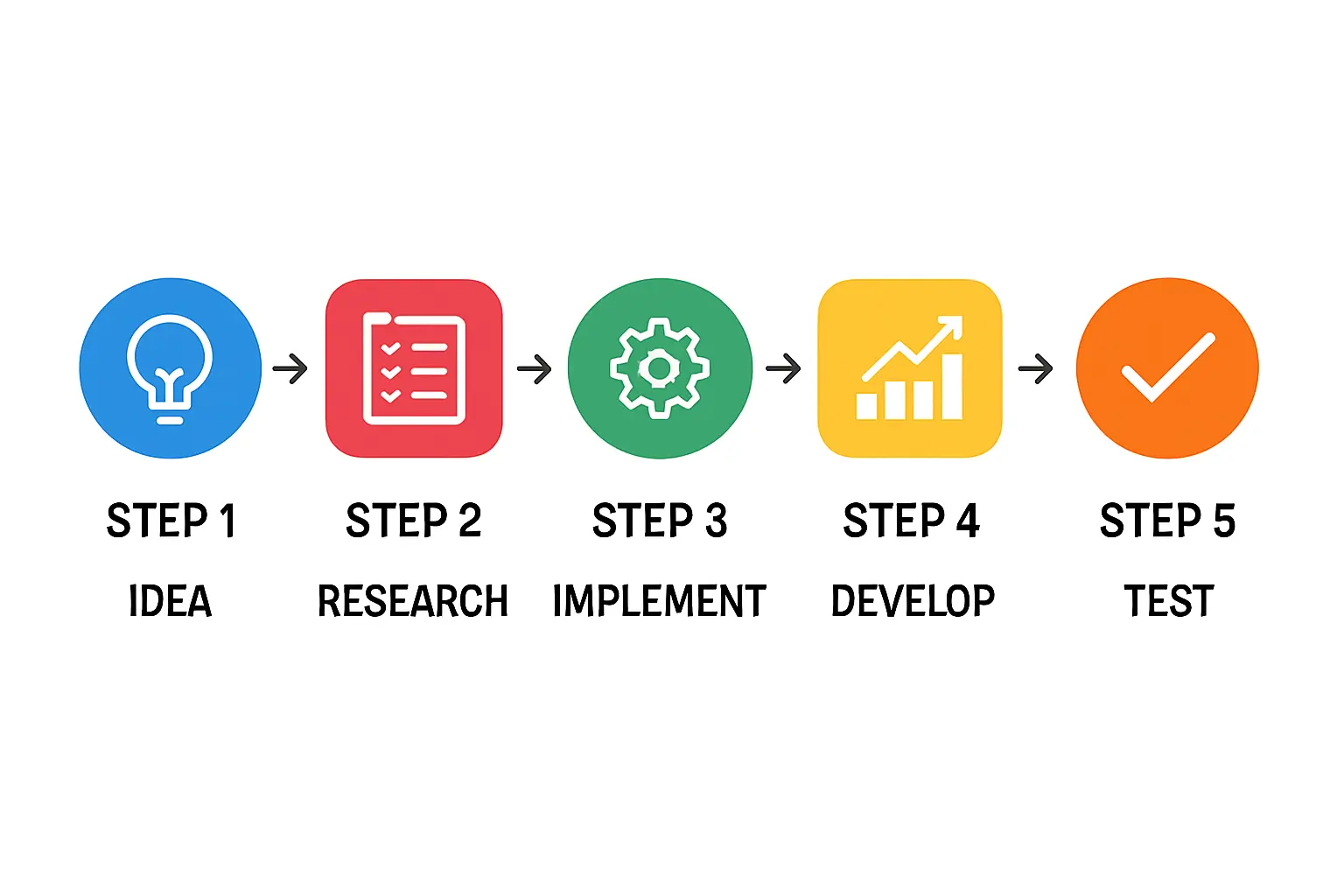
The process typically begins with filing an investment declaration online via the TIA’s portal. The TIA then provides support in coordinating with various ministries and agencies, significantly reducing bureaucratic hurdles. This centralized approach is designed to make setting up a solar manufacturing plant more efficient and predictable.
Financial Incentives for Solar Manufacturing Projects
Beyond legal security, Investment Law No. 2016-71 offers a range of compelling financial incentives, particularly for projects that align with Tunisia’s national development priorities, such as renewable energy.
Tax Exemptions and Reductions
Articles 19 and 20 outline a system of grants and tax benefits. For a new solar manufacturing facility, this can include:
-
Total exemption from corporate income tax for up to 10 years, depending on the project’s location and classification as a ‘priority sector.’
-
State subsidies covering part of the investment costs, especially for infrastructure development within industrial zones.
State Contributions to Operational Costs
The government may also cover a portion of employer social security contributions for Tunisian staff hired by the new company. This directly reduces the factory’s operational expenditure, improving its financial viability during the crucial initial years. These incentives should be a key component of a comprehensive business plan.
Tunisia’s Strategic Advantage for Solar Exporters
The legal framework is complemented by Tunisia’s strategic advantages. Its geographic location offers preferential access to the European Union market through various trade agreements while also serving as a logistical hub for the wider North African and Sub-Saharan African regions.
Tunisia also has a well-educated and technically skilled workforce, particularly in engineering and manufacturing. This human capital is a critical asset when staffing a modern solar module factory that requires a sophisticated turnkey production line. The government’s own ‘Tunisian Solar Plan 2030,’ which aims to generate 30% of its electricity from renewables, ensures strong local policy support for the sector.

Frequently Asked Questions for Investors
-
As a foreign national, can I own 100% of my solar panel factory in Tunisia?
Yes, under Investment Law No. 2016-71, industrial manufacturing projects generally qualify for 100% foreign ownership. -
Is it difficult to transfer profits out of Tunisia?
No. Article 9 of the law explicitly guarantees the right to repatriate profits, dividends, and other capital, provided all local tax and legal obligations have been met. -
What is the primary role of the Tunisian Investment Authority (TIA)?
The TIA acts as a one-stop shop for investors, simplifying the administrative process for company registration, permit applications, and accessing incentives. -
Are there specific incentives for a renewable energy project like solar manufacturing?
Yes, projects in priority sectors like renewable energy are often eligible for the most advantageous incentives, including extended tax holidays and state subsidies. -
How does Law No. 2016-71 improve upon the previous system?
It significantly simplifies the legal framework, strengthens investor protections, guarantees capital and profit transfers, and centralizes administrative procedures through the TIA, making the entire process more transparent and predictable.
From Legal Framework to Operational Reality
For any serious investor considering Tunisia for solar module manufacturing, understanding Investment Law No. 2016-71 is the essential first step. The law provides a robust, modern, and secure foundation that addresses the most pressing concerns regarding ownership, profit repatriation, and legal protection.
With this legal confidence established, the focus can shift to the practical stages of implementation. While a solid legal framework is the first requirement for setting up a solar manufacturing plant, a successful venture also depends on developing a comprehensive business plan and selecting the right technology, such as a fully integrated turnkey production line, to ensure a profitable operation.