An investor has identified Turkey as a strategic location for a new solar module manufacturing facility. The market is promising, the geography is ideal, and a preliminary business plan is in place. However, before a single piece of equipment can be ordered or a foundation laid, a critical administrative hurdle must be cleared: the Çevresel Etki Değerlendirmesi, or Environmental Impact Assessment (ÇED).
For many entrepreneurs entering the Turkish market, the ÇED process can seem like a formidable regulatory step. It is a comprehensive, multi-stage evaluation that determines whether a proposed project can proceed. Understanding this process is not merely a matter of compliance—it is a fundamental part of project planning and risk management. This guide provides a clear, structured overview of the ÇED process for a new solar factory, outlining the key stages, documentation, and strategic considerations involved.
Understanding the ÇED Framework in Turkey
The Environmental Impact Assessment (ÇED) is the legal mechanism in Turkey for evaluating the potential environmental effects of a proposed project before any decisions are made. Governed by the Regulation on Environmental Impact Assessment (Official Gazette No. 29186), its purpose is to integrate environmental considerations into the project development cycle and ensure sustainable growth.
Projects are categorized based on their potential environmental impact into two main lists: Annex I and Annex II.
-
Annex I: This list includes projects with a high potential for significant environmental impact. These projects must undergo a full, mandatory ÇED process.
-
Annex II: This list covers projects that may have environmental effects. These undergo a selection and elimination procedure to determine if a full ÇED is necessary.
A new solar module manufacturing facility—given its industrial scale, use of chemicals, and waste generation—will almost certainly fall under Annex I. This means investors should plan for the full, comprehensive ÇED process from the outset.
The Core Stages of the Annex I ÇED Process
The full ÇED process is a systematic procedure involving multiple stakeholders, including government ministries, technical experts, and the public. While detailed, the path is clearly defined.

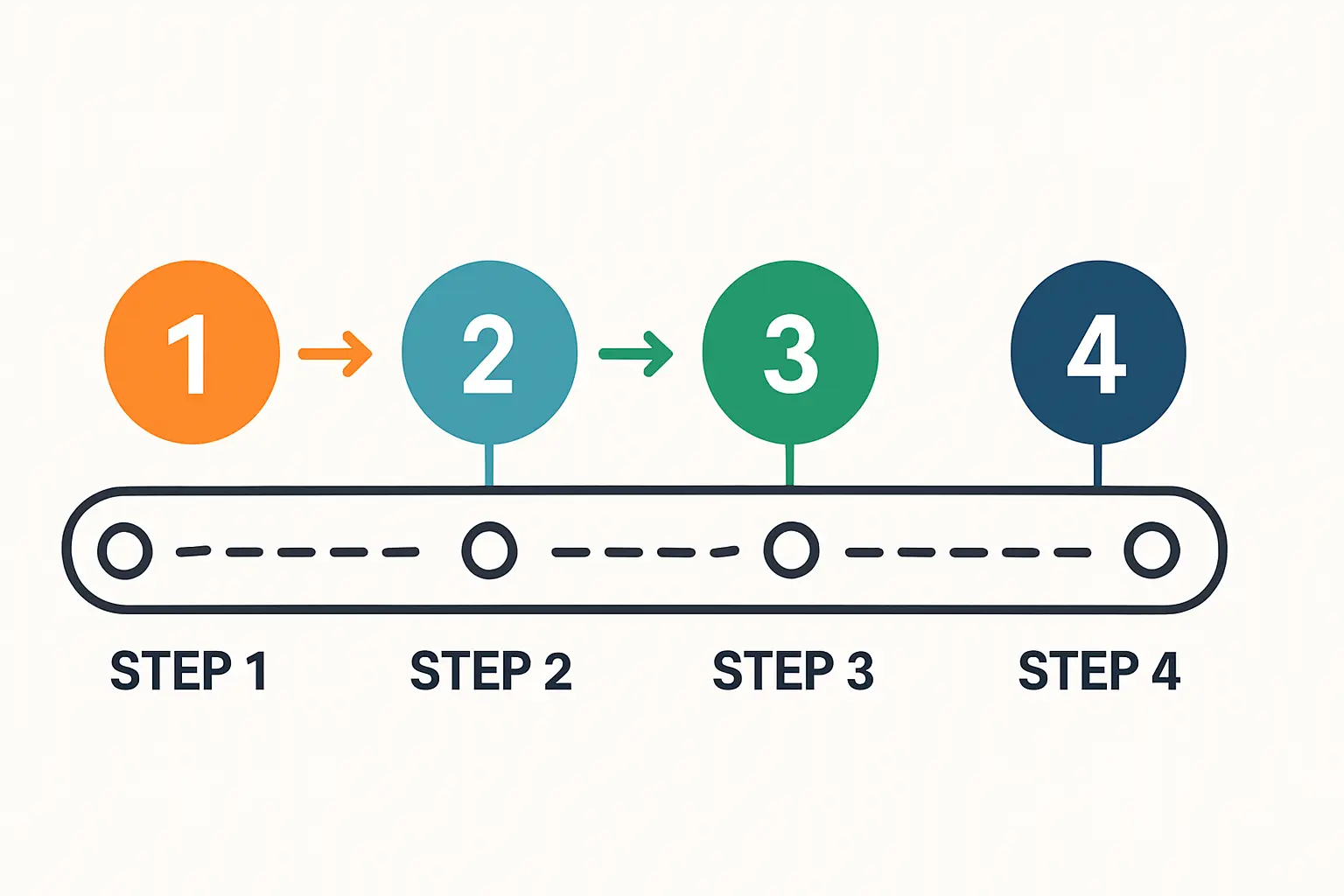
Here are the primary stages an investor must navigate:
1. Application and the Project Introduction File (PTD)
The process begins with submitting a Proje Tanıtım Dosyası (Project Introduction File) to the Ministry of Environment, Urbanization and Climate Change. This document provides a detailed overview of the proposed factory, including its location, production capacity, technology, raw materials, and a preliminary assessment of its potential environmental impact.
2. Public Participation Meeting
A crucial early step is the Halkın Katılımı Toplantısı (Public Participation Meeting). This meeting is held near the project site to inform the local community and stakeholders about the proposed factory and to gather their opinions and concerns. This feedback is documented and must be addressed in the subsequent ÇED Report.
3. Scoping and Format Determination
Following the public meeting, the Ministry convenes a commission of experts from various government agencies. This commission reviews the PTD and public feedback to define the specific scope and required format for the full ÇED Report. This step ensures the final report is tailored to address all relevant environmental aspects of the project.
4. Preparation of the Comprehensive ÇED Report
The project owner must hire a consulting firm licensed by the Ministry to prepare the full ÇED Report. This is the most intensive phase of the entire process. It involves detailed scientific studies, data collection, and modeling to assess the project’s potential effects on air quality, water resources, soil, biodiversity, and the socio-economic environment. The report must also propose mitigation measures to minimize negative impacts.
5. The Review and Evaluation Commission (IDK)
Once submitted, the ÇED Report is examined by the İnceleme ve Değerlendirme Komisyonu (Review and Evaluation Commission – IDK). This commission, comprising representatives from relevant institutions, reviews the report for technical adequacy, accuracy, and compliance with the determined scope, providing comments and requesting clarifications as needed.
6. Final Decision: ‘ÇED Positive’ or ‘ÇED Negative’
After the IDK completes its review and the report is made available for a final public comment period, the Ministry issues its decision.
-
‘ÇED Positive’ (ÇED Olumlu): This is the official approval, meaning the project’s environmental impacts are considered acceptable. The decision is typically valid for seven years, during which the investment must commence.
-
‘ÇED Negative’ (ÇED Olumsuz): This is a rejection of the project on environmental grounds. The proposed project cannot proceed as planned.
Essential Documentation for Your ÇED Application
The application requires a comprehensive set of technical and legal documents. While the scoping phase will determine the full list, the initial submission typically includes a core package of information. Engaging a qualified local consultant early is essential for preparing this documentation correctly.
Key documents generally include:
- The Project Introduction File (PTD)
- Notarized company signature circulars and Trade Registry Gazette
- An official letter of undertaking
- Detailed site plans, layout drawings, and coordinate maps
- A comprehensive description of the manufacturing process and technology
- A plan for waste management (solid, liquid, and hazardous)
- An emergency response plan
Realistic Timelines and Common Challenges
While official regulations outline specific review periods for each stage, investors should budget for a realistic timeline that accounts for data collection, potential revisions, and administrative processing. From initial application to a final ‘ÇED Positive’ decision, the process often takes 12 to 18 months. This timeline must be factored into the overall project schedule.

Common challenges that can cause delays include:
- Underestimating Complexity: Attempting to manage the process without experienced, licensed Turkish environmental consultants.
- Incomplete Documentation: Submitting an application with missing or inaccurate technical data.
- Inadequate Public Consultation: Failing to properly address concerns raised by the local community.
- Technical Deficiencies: Submitting a ÇED report that lacks the scientific rigor to satisfy the Review Commission.
The Strategic Importance of a ‘ÇED Positive’ Decision
Securing a ‘ÇED Positive’ decision is more than just an environmental permit; it is the foundational legal approval upon which all subsequent permits depend. Without it, an investor cannot obtain construction permits, an operating license, or other necessary approvals for building a solar factory.
This approval is also often a prerequisite for accessing government investment incentives, such as tax exemptions or land allocation. For this reason, the ÇED process should be viewed as a critical early-stage milestone in the project’s financial and operational plan.
Frequently Asked Questions (FAQ)
Can I manage the ÇED process myself as a foreign investor?
No. The preparation and submission of the ÇED Report must be handled by an environmental consultancy firm that holds a Certificate of Competence issued by the Turkish Ministry of Environment, Urbanization and Climate Change. This is a legal requirement.
What happens if my project receives a ‘ÇED Negative’ decision?
A ‘ÇED Negative’ decision means the project cannot proceed at the proposed location or with the proposed technology. The investor would need to fundamentally redesign the project to address the environmental objections and submit a completely new application, which would result in significant delays and costs.
Does the ÇED process apply to expanding an existing factory?
Yes. If an existing facility plans an expansion or a change in production that meets the thresholds defined in the regulation, it will trigger the need for a new ÇED process.
How does a turnkey solar production line provider support the ÇED process?
While the investor’s licensed ÇED consultant leads the process, an experienced turnkey solar production line provider plays a vital supporting role. Based on experience from J.v.G. turnkey projects, such a partner can supply essential technical data for the ÇED report, including detailed process flow diagrams, equipment specifications, chemical usage lists, and waste stream calculations. This information is critical for an accurate environmental assessment.
Conclusion: Integrating ÇED into Your Project Plan
Successfully completing Turkey’s ÇED process is a non-negotiable step for any entrepreneur planning to establish a solar module factory. It is a rigorous, time-intensive, and technically detailed procedure that demands professional planning and expert local guidance from the very beginning.
By viewing the ÇED not as an obstacle but as an integral part of the project development strategy, investors can manage timelines effectively, mitigate risks, and build a strong foundation for a compliant and successful manufacturing operation. Proper preparation and partnership with qualified experts are the keys to transforming this regulatory requirement into a milestone on the path to a successful launch.