Entering any new industrial sector requires carefully evaluating the available human capital. For entrepreneurs considering solar module manufacturing in Ukraine, this assessment takes on a unique complexity.
The nation has a rich pool of technical talent rooted in a strong industrial and educational history. However, the ongoing conflict has profoundly reshaped the labor market, creating both significant challenges and distinct opportunities.
This article offers a realistic look at the current landscape for skilled labor in Ukraine. It outlines the foundational strengths of the workforce and examines present-day realities, while proposing strategies for recruitment and training that align with the demands of a modern solar manufacturing enterprise.
The Pre-Invasion Industrial Legacy: A Foundation of Skill
Understanding the potential of Ukraine’s workforce begins with its historical context. Before the full-scale invasion, the country had a robust industrial base, particularly in sectors requiring high levels of technical expertise.
Heavy Industry and Engineering: As a major global producer of steel, iron ore, and heavy machinery, Ukraine developed a large, experienced workforce skilled in process management, industrial automation, and quality control—all skills directly transferable to a manufacturing environment.
Strong STEM Education: The country has long been recognized for its high literacy rate (99.8%) and its strong emphasis on science, technology, engineering, and mathematics (STEM) in higher education. With over 1.5 million students enrolled in universities and colleges pre-invasion, this ensured a continuous supply of individuals with strong analytical and technical aptitudes.
This legacy means that an investor is not starting from scratch. A pre-existing pool of engineers, technicians, and skilled workers already understands the discipline of an industrial setting, even if they lack specific experience in photovoltaics.
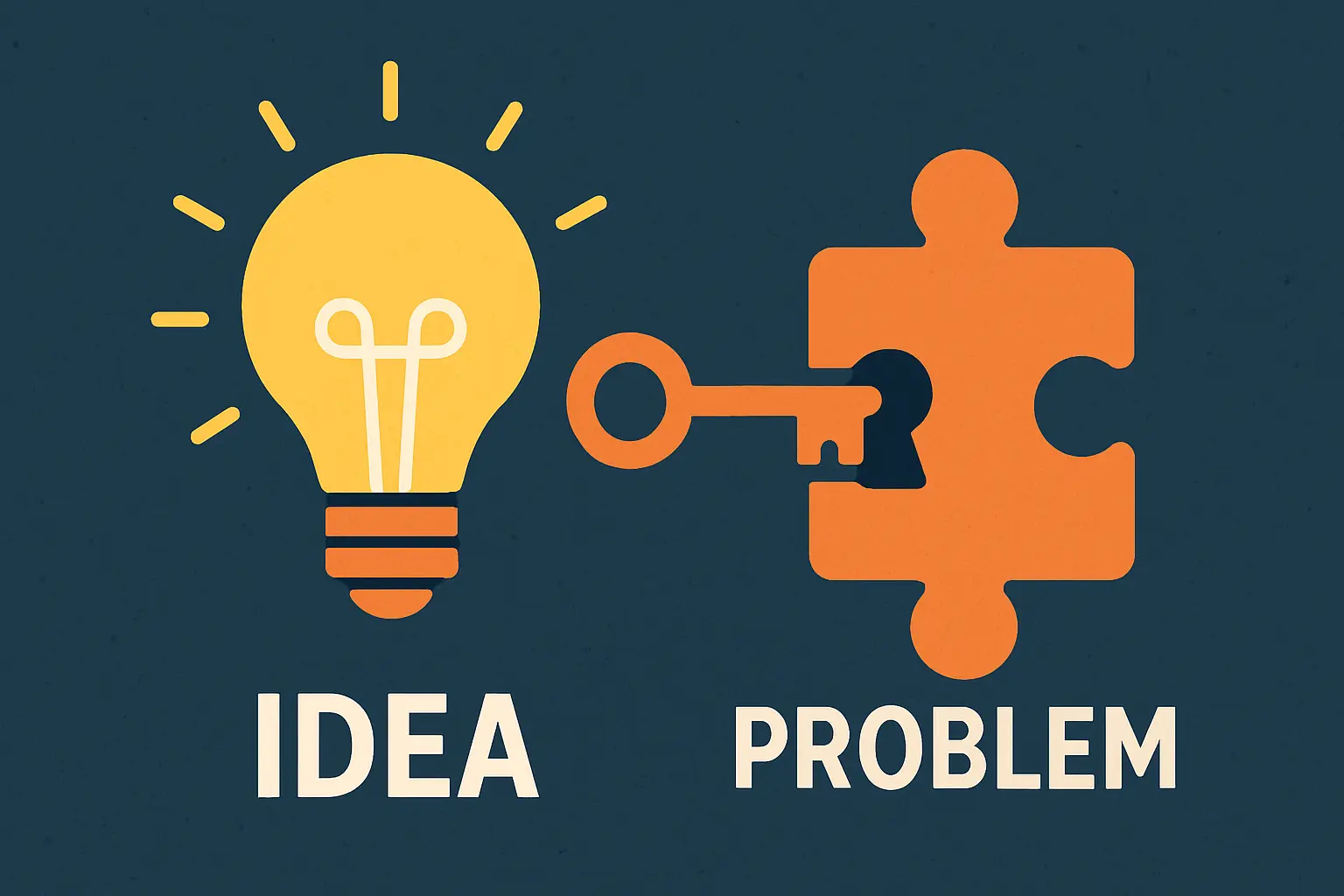
Understanding the New Reality: Post-Invasion Labor Market Dynamics
The war has been a dramatic catalyst for change within the Ukrainian labor market. While creating immense hardship, it has also unseated traditional employment patterns, which can be strategically navigated.
Initial unemployment rates surged, and millions of people were displaced from their homes and jobs, particularly in the industrial heartlands of the east and south. This creates a paradoxical situation: a simultaneous labor shortage due to military mobilization and displacement, alongside a significant number of underemployed or unemployed skilled professionals actively seeking new opportunities.
For a new solar manufacturing facility, the challenge is less about a fundamental lack of talent and more about locating, attracting, and retraining it. Establishing a modern, stable, and safe working environment can be a powerful incentive, offering a clear path forward for individuals whose careers have been disrupted.
Strategic Sourcing: Where to Find Qualified Personnel
A proactive recruitment strategy is essential. A targeted approach, rather than simply posting job openings, will yield the best results.
Leveraging Technical Universities and Vocational Schools
Partnerships with Ukraine’s many technical universities and colleges can create a direct pipeline of talent. These institutions are eager to place their graduates in future-focused industries critical to national reconstruction.
Tapping into Displaced Professionals
Many experienced engineers and factory managers from established but now-disrupted industries are seeking new roles. Focusing recruitment efforts on regions with high concentrations of internally displaced persons (IDPs) can connect an enterprise with seasoned professionals who bring valuable managerial and operational experience.
Attracting a Changing Workforce
The societal shifts brought on by the war mean more women are entering technical and industrial roles. An inclusive recruitment strategy that actively encourages applications from women can broaden the talent pool significantly. Furthermore, the eventual reintegration of military veterans will be a source of disciplined, mission-oriented individuals who are excellent candidates for technical training programs.
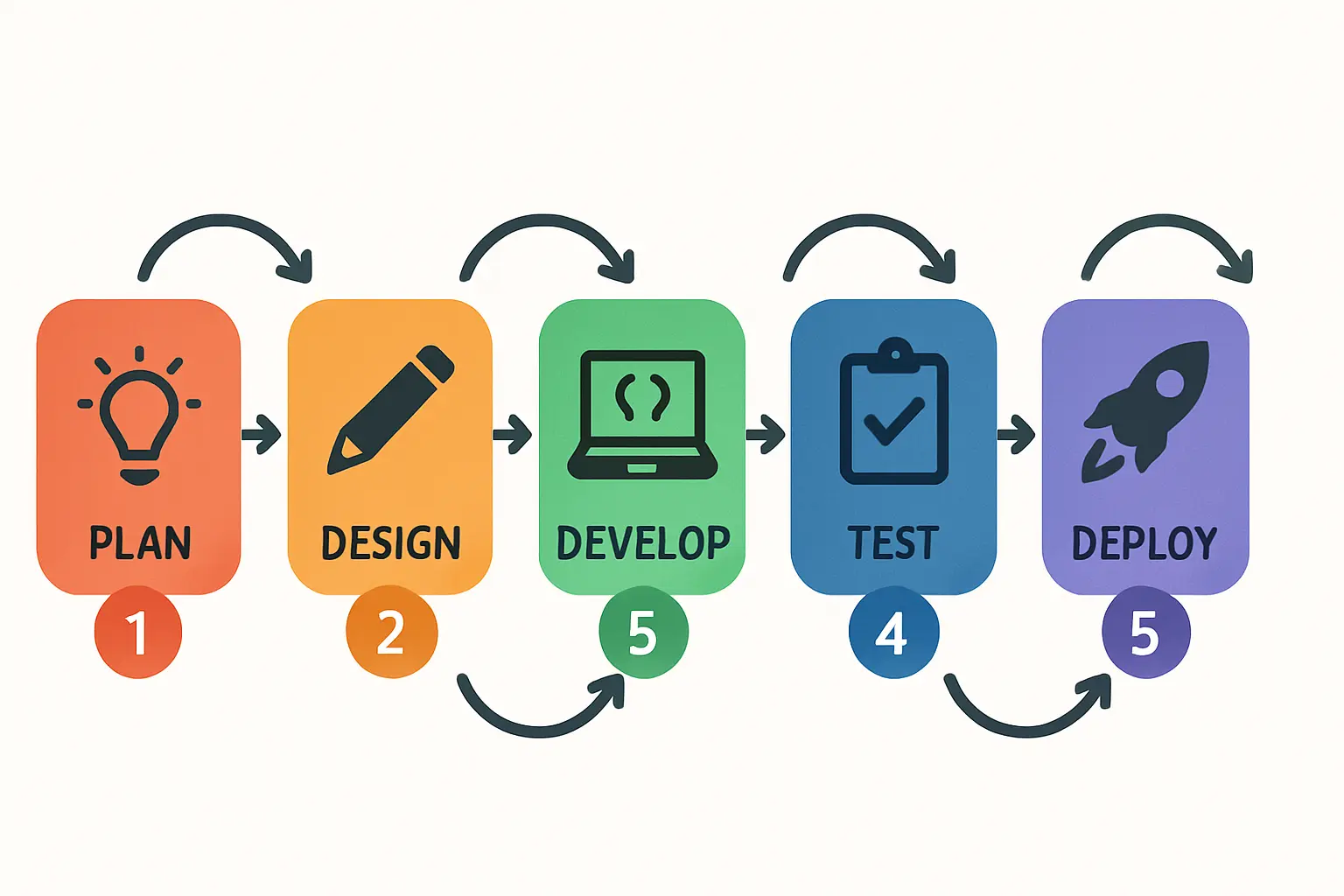
Bridging the Skills Gap: The Critical Role of Specialized Training
While the Ukrainian workforce has a strong technical foundation, specific knowledge of solar module manufacturing is not widespread. This makes a structured training program not just beneficial, but a core component of the business strategy.
Foundational Training Programs
All production staff, from operators to supervisors, require comprehensive training on the fundamentals. This includes the principles of photovoltaic cells, the step-by-step assembly process, and the correct operation of essential machines within the production line, such as stringers, laminators, and testers.
Advanced Skill Development
A smaller, core team will require more advanced training. This is especially true for maintenance technicians responsible for uptime and engineers overseeing process optimization and quality control. This training should cover international standards (such as IEC 61215 and 61730) and the specific calibration requirements of measurement equipment.
Partnerships and Turnkey Solutions
For new entrants to the industry, developing a curriculum from scratch can be daunting. Experience from J.v.G. turnkey projects shows that partnering with an equipment supplier is a highly effective approach. A turnkey production line provider typically includes a comprehensive training package for the client’s new team. This ensures that local staff are trained by experts directly on the equipment they will be operating, dramatically shortening the learning curve.

Building a Resilient Team: Retention and Motivation
In a post-conflict environment, retaining skilled staff is as important as recruiting them. Beyond competitive compensation, key factors for retention include:
-
A Safe and Stable Environment: Demonstrating a commitment to workplace safety and operational stability provides a highly valued sense of security.
-
Clear Career Paths: Offering opportunities for advancement and skill development fosters loyalty and encourages employees to invest in their roles for the long term.
-
A Sense of Purpose: Manufacturing solar modules in Ukraine is not just a job; it is a direct contribution to the nation’s energy independence and reconstruction. Highlighting this mission can be a powerful motivator that unites the team around a common goal.
Frequently Asked Questions (FAQ)
What kind of educational background is ideal for a solar factory technician?
A background from a technical vocational school or a university degree in engineering (mechanical, electrical, or material science) is an excellent foundation. However, motivated individuals with a strong mechanical aptitude and attention to detail can be successfully trained for many production roles.
How long does it typically take to train a new production line operator?
Basic operator training for a specific station on the line can often be completed within two to four weeks. Achieving high proficiency and understanding the interplay between different process steps may take several months of on-the-job experience.
Is it necessary to hire engineers with prior solar experience?
It is not essential, though it can be helpful. An experienced industrial or manufacturing engineer from another sector can adapt quickly. The critical factor is providing them with specialized training on PV technology and the specific parameters of the production equipment.
How does automation impact the number and type of employees needed?
Automation reduces the need for manual labor but increases the demand for skilled technicians who can operate, maintain, and troubleshoot sophisticated machinery. A modern 20–50 MW factory might employ 25–40 people in production, with a focus on skilled operators and quality inspectors rather than pure manual assembly workers.
What are the first steps in creating a hiring and training plan?
The first step is to define the roles required for each stage of production. This organizational chart should be a key component of your solar manufacturing business plan, as it directly influences operational costs and timelines. From there, you can develop job descriptions and outline the core competencies to be covered in your training curriculum.
Conclusion: A Strategic Approach to Human Capital
The human capital landscape in Ukraine offers a compelling mix of established potential and contemporary challenges. The country’s industrial heritage and strong educational system provide fertile ground for recruiting a capable technical workforce.
Success does not depend on finding a pre-made team of solar experts. It depends on a strategic commitment to identifying individuals with transferable skills, investing in targeted training programs, and cultivating a stable and motivating work environment. For the discerning investor, the opportunity lies in transforming Ukraine’s resilient and educated workforce into the engine of a new, domestic solar manufacturing industry that will be vital for its reconstruction.