Why Financial Planning Is the Most Critical Step
On paper, the initial investment for a small- to medium-scale inverter assembly factory can seem quite manageable. The main equipment costs appear straightforward, and the business case looks attractive. However, real-world projects consistently show that the most significant financial challenges arise not from the initial equipment purchase, but from the demands of day-to-day operations.
Many promising inverter factory projects fail, not because of flawed technology or a lack of market demand, but because of a critical underestimation of ongoing financial needs. A factory can have suitable equipment and confirmed orders, yet insufficient operational cash flow can bring production to a halt. Understanding the full financial picture—beyond the machinery price list—is the foundation of a sustainable enterprise.
Where the Money Is Really Spent
An investor’s focus is often drawn to tangible assets like assembly lines and testing equipment. While significant, these costs represent only one part of the total capital required. A realistic financial plan must account for several key categories.
- Assembly and Testing Equipment: This visible upfront cost covers assembly fixtures, handling systems, and end-of-line testing equipment for functional and safety verification. It does not typically include PCB manufacturing equipment.
- Certification and Compliance: Inverters are regulated products. Achieving required certifications (such as IEC, UL, or relevant country-specific standards) involves costs for testing, documentation, and third-party assessments. This process is time-consuming and resource-intensive.
- Staff and Training: A qualified workforce requires investment. Costs include salaries for engineers, technicians, and administrative staff, as well as initial and ongoing training, which may involve external support depending on project maturity.
- Materials and Components: The largest ongoing expense is the procurement of electronic and mechanical components such as semiconductors, capacitors, inductors, housings, and connectors. These materials account for a major share of product cost.
- Inventory and Logistics: Maintaining sufficient component inventory is necessary for stable production. Inventory and finished goods tie up capital, while inbound and outbound logistics add recurring costs.
Viewing the equipment quotation as the total investment is a common miscalculation. Machinery usually represents only a portion of the capital required to reach stable operation.
Upfront Investment vs. Ongoing Operational Costs
A realistic financial model distinguishes between one-time investments and recurring operational expenses.
One-Time Investment Costs (Capital Expenditures or CAPEX)
These are funds used to acquire long-term assets, typically paid once during the project setup.
- Example: Assembly equipment, testing systems, laboratory tools, and factory infrastructure.
Ongoing Operational Costs (Operating Expenditures or OPEX)
These are recurring expenses required to run the factory continuously.
- Example: Salaries, rent or lease payments, utilities, maintenance, and the continuous purchase of components.
Many business plans focus primarily on CAPEX. A common error is failing to secure sufficient funding to cover OPEX for the first 6 to 18 months of operation, before stable positive cash flow is achieved.
Working Capital: The Most Underestimated Factor
The most frequent cause of financial stress in new manufacturing projects is underestimating working capital.
Working capital is the cash required to bridge the gap between paying suppliers and receiving payment from customers.
- Purchase: Components are ordered and paid for, often well before production.
- Produce: Components are held in inventory and converted into finished products.
- Sell: Finished inverters may remain in stock before shipment.
- Receive Payment: Customers often pay with delays of 30, 60, or 90 days.
During this cycle, cash is tied up in inventory and receivables. Additional funds are needed to continue paying staff and suppliers while waiting for customer payments. This funding requirement is working capital.
As production volume increases, the amount of capital tied up also increases. Insufficient working capital can force production stops even when customer demand exists.
Typical Financing Sources
Financing is often structured using a combination of sources, depending on location, ownership structure, and financial credibility.
- Own Capital (Equity): Capital contributed by the owners. Meaningful equity participation is usually required to attract external financing.
- Local Banks: Banks may finance equipment or working capital, typically requiring collateral, financial history, and a detailed business plan.
- Development Banks or Programs: Development finance institutions may support projects that align with industrial development or energy policy goals.
- Project-Based Financing: In some cases, financing is structured around future project cash flows. This is complex and usually limited to larger, established projects.
All financing sources require a transparent plan that clearly distinguishes between investment funding and working capital needs.
How Factory Size and Financing Are Directly Linked
Factory size decisions have direct financial implications.
- Larger Factories and Upfront Cost: Higher capacity requires more equipment, larger facilities, and more personnel, increasing CAPEX.
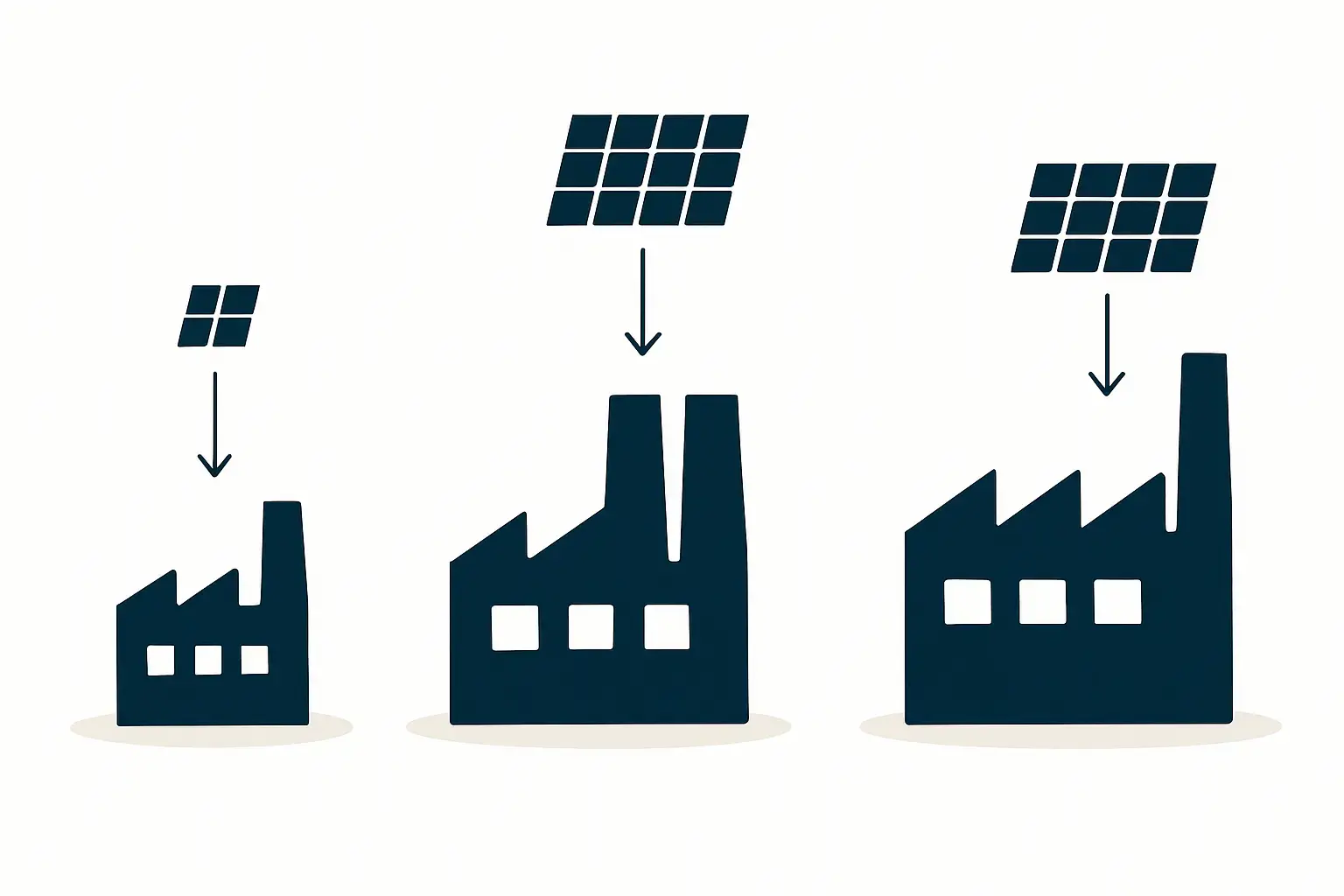
- Larger Factories and Working Capital: Higher production capacity means more components must be purchased and more inventory must be held. A factory designed for 500 MW of annual inverter output will require substantially more operational cash than one designed for 50 MW.
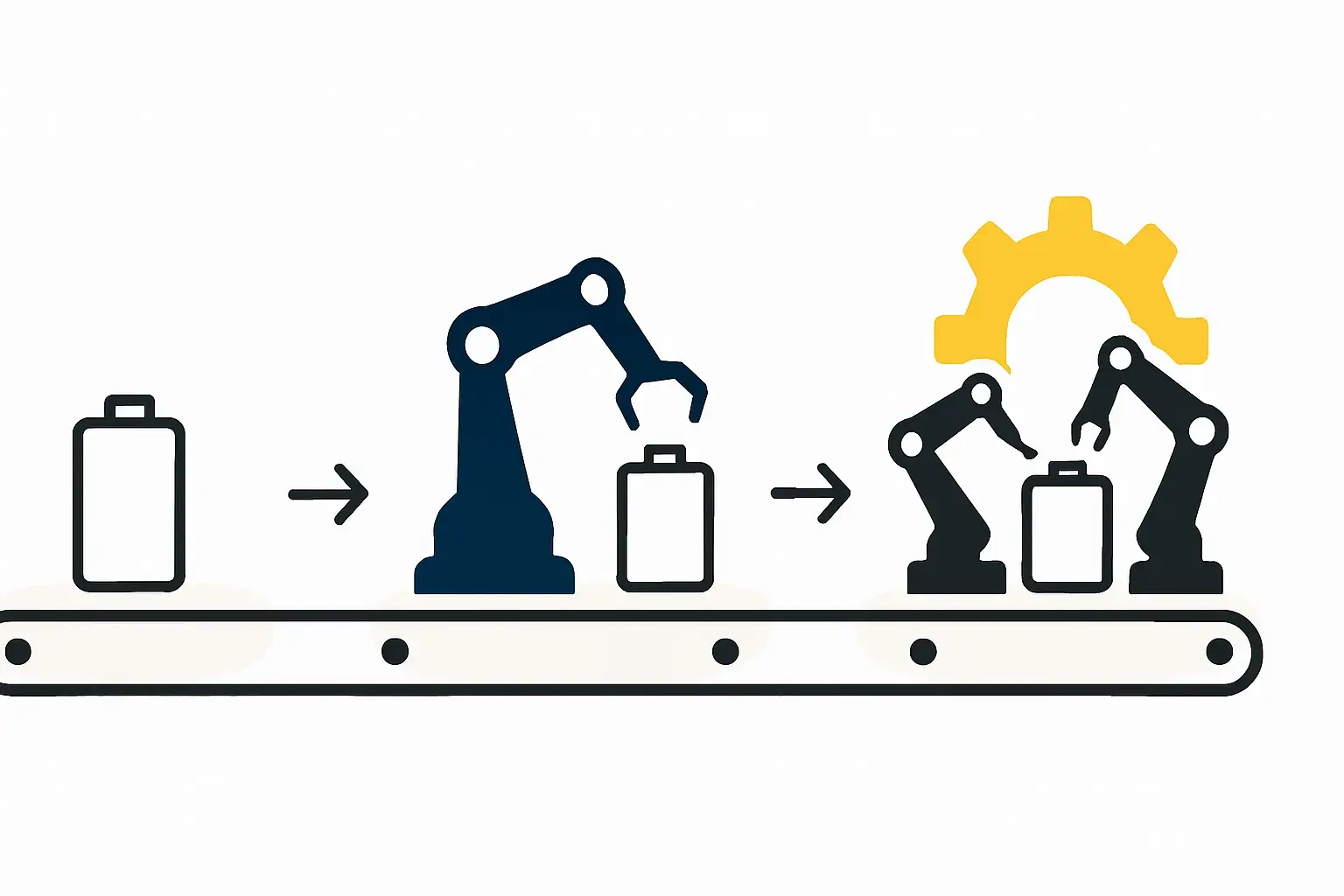
- Higher Automation and Financial Risk: Automation raises upfront investment and fixed costs. If sales develop slower than expected, financial pressure increases.
Choosing factory size is therefore a financial decision that defines the project’s overall risk profile.
The Most Common Financial Mistake to Avoid
Based on experience from industrial projects, the most damaging financial mistake is planning without sufficient financial buffers.
- Delays Occur: Equipment delivery, construction, and commissioning often take longer than planned.
- Certification Takes Time: Approval processes can extend beyond initial schedules.
- Sales Ramp-Up Is Slow: Market entry usually takes longer than optimistic forecasts suggest.
A plan that covers only expected costs leaves no room for reality. A contingency buffer is an essential risk management tool, not an optional reserve.
With financial logic understood, the next step is to validate the overall project concept. Before committing capital, an independent review of assumptions, structure, and risks helps prevent costly mistakes.