Inverter Basics & Technology Overview
An inverter is a core component of any modern energy system, designed to convert one type of electricity into another. It transforms Direct Current (DC) into Alternating Current (AC), making energy from sources like solar panels and batteries usable for standard electrical grids and consumer appliances.
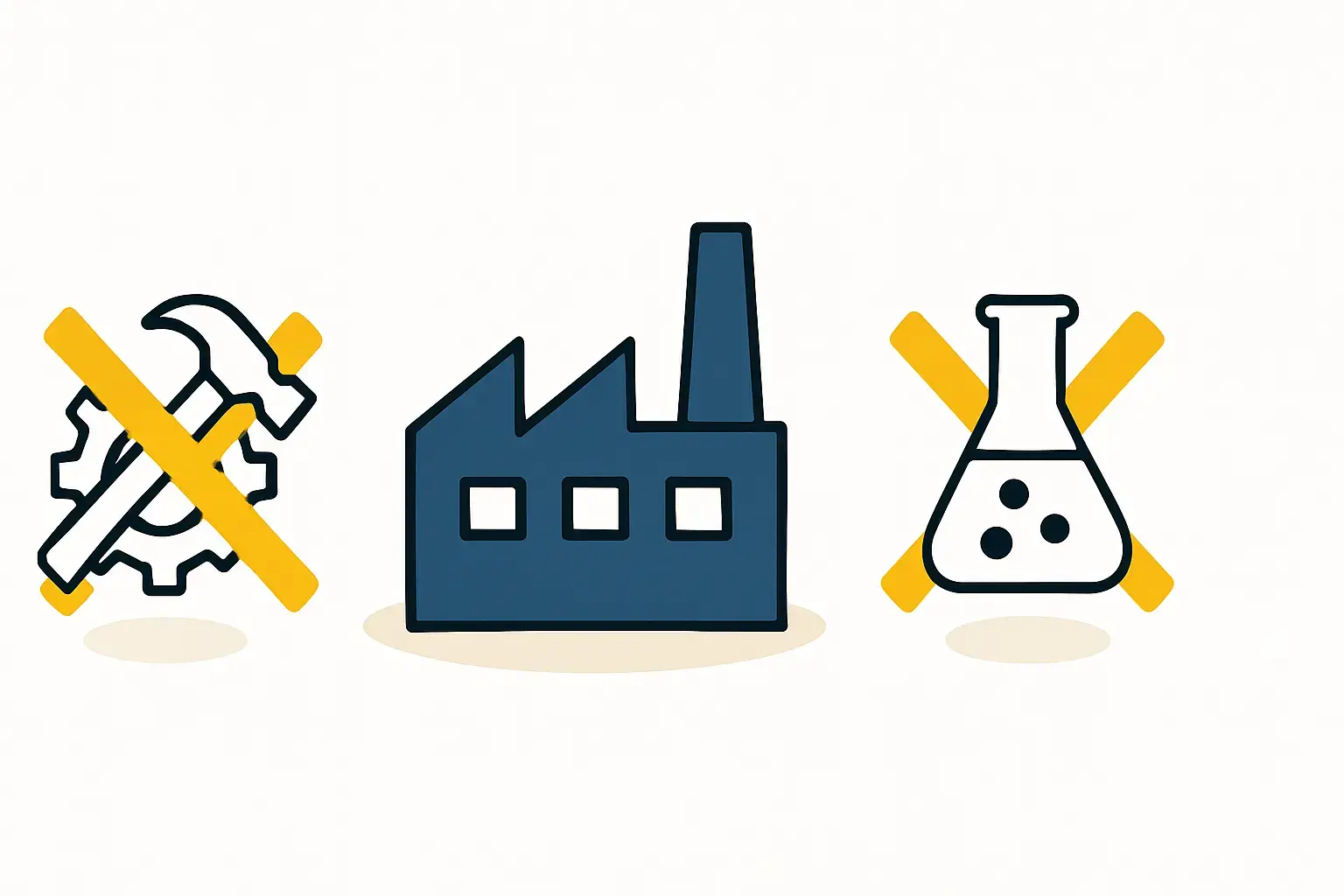
It’s important, however, to clarify what an inverter factory is—and what it isn’t. An inverter factory is not a semiconductor fabrication plant producing the microscopic chips at the heart of the electronics, nor is it a high-level research and development laboratory.
Rather, most inverter factories are industrial facilities focused on assembly, testing, and quality control. Key components like printed circuit boards (PCBs) and power semiconductors are sourced from specialized suppliers. The factory’s primary role is to integrate these parts into a reliable, safe, and certified final product.
The Role of Inverters in Energy Systems
Virtually every solar power installation, from a small residential rooftop system to a large utility-scale solar farm, requires an inverter, as do battery energy storage systems. This is because solar modules and batteries produce and store energy as Direct Current (DC).
The public electricity grid, however, along with the machinery and appliances in businesses and households, operates on Alternating Current (AC). The inverter serves as the essential bridge between these two electrical worlds. It takes the DC input from the energy source and converts it into grid-compatible AC output that meets defined electrical requirements. Without this conversion, the power generated by solar panels would not be usable for its intended applications.
Main Types of Inverters in the Market
The market includes several inverter categories designed for specific applications, though most can be grouped into three main types. Understanding these is important because the choice of product directly influences factory design, production processes, and the target market.
String Inverters
String inverters are the most common type for residential, commercial, and small industrial solar projects. They are designed to connect to a “string,” or series, of solar modules. Their popularity stems from a balance of cost, efficiency, and reliability for small- to medium-sized systems. The production logic for string inverters is typically geared toward higher volumes and standardized assembly, as the product itself follows relatively standardized designs.
Central Inverters
Central inverters are large, high-capacity units used almost exclusively in utility-scale solar power plants and other large industrial applications. A single central inverter can manage power from hundreds or even thousands of solar modules. Because these projects are large and often project-specific, central inverters are produced in much lower volumes. Their production involves assembling very large, heavy components and usually requires project-specific engineering and configuration.
Hybrid or Battery Inverters
Hybrid inverters, sometimes called battery inverters or power conversion systems (PCS), are designed to work with energy storage systems. They convert DC from solar panels to AC for immediate use and manage the flow of energy to and from a battery system. As battery storage becomes more common, the demand for these inverters is growing. Their production logic is more complex, involving additional components and more extensive testing to ensure safe and reliable battery operation.
No single inverter type is universally “better.” Each is optimized for a different application and system size.
Why This Course Focuses on String Inverters
Based on experience from multiple inverter factory projects, most new businesses entering inverter manufacturing start with string inverters for practical reasons.
First, string inverters serve large and accessible market segments such as residential and commercial solar. This provides a broad potential customer base in many regions. Second, their production lines are more standardized, which allows for more predictable factory planning and execution.
For these reasons, the factory concepts, automation levels, and investment models discussed in this course focus primarily on string inverter production. While central or hybrid inverters can also be produced, they require different factory concepts, skills, and business strategies.
Assembly and Testing as the Core of an Inverter Factory
The primary activity within an inverter factory is the assembly of sourced components, followed by systematic testing. The process can be divided into three main stages:
-
Mechanical Assembly: This involves preparing the inverter enclosure and mounting components such as PCBs, capacitors, heat sinks, and cooling elements.
-
Electrical Assembly: This stage includes completing internal electrical connections according to defined engineering documentation and assembly instructions.
-
Functional and Safety Testing: In this critical stage, each finished inverter undergoes automated testing to verify correct operation, electrical safety, and compliance with required standards.
Quality control is integrated throughout the entire process. Factory layout, workflows, and testing systems are strongly influenced by certification and safety requirements.
Typical Investor Misunderstanding
A common misunderstanding among new investors is the assumption that an inverter factory is similar to a semiconductor or “chip” factory. In practice, many early-stage projects encounter problems because this distinction is not clearly understood from the beginning.
These two types of factories differ fundamentally in cost structure, technical requirements, and risk profile. Semiconductor manufacturing requires extremely high investment, specialized cleanroom environments, and highly specialized technical expertise.
An inverter factory, in contrast, typically operates with a standard industrial workforce of trained technicians and engineers. Investment levels are significantly lower, and the main challenge is not developing new electronic components but ensuring consistent assembly quality, testing, and certification. Understanding this difference is essential before moving forward with project planning and financial decisions.
Next Steps: From Assembly to Automation
Now that the basic inverter types and factory focus are clear, the next step is to understand how inverter factories are organized in practice. The next lesson explains the different degrees of automation used in inverter assembly and testing, and how automation choices affect factory layout, workforce structure, and investment risk.