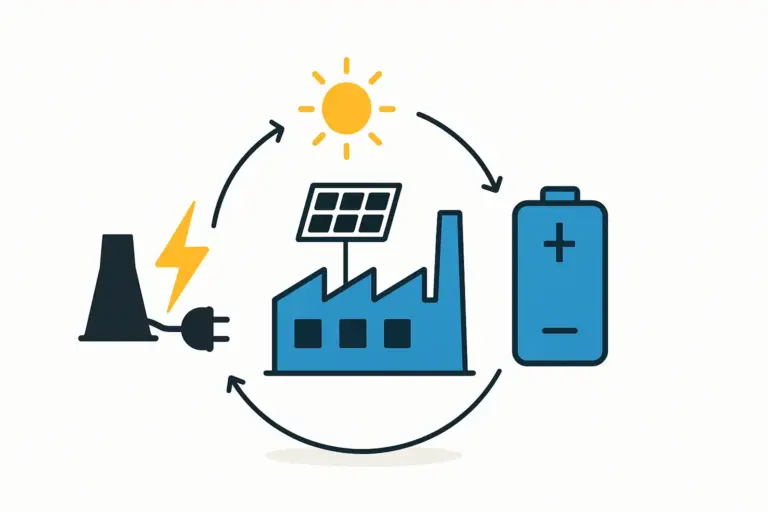
Venezuela stands at a unique crossroads. A 2023 study by the Venezuelan Observatory of Public Services (OVSP) revealed that over 65% of the population experiences daily power outages. This creates a significant and urgent domestic demand for stable, decentralized energy sources.
For the enterprising business professional, this challenge presents a clear opportunity: local solar module manufacturing. A common concern, however, is finding a workforce with the specialized skills this advanced industry requires.
The solution may be closer than one might think. Venezuela has a substantial, yet underutilized, talent pool from its traditional energy sector. Engineers and technicians from the oil and gas industry already have a strong foundation in industrial processes, safety protocols, and quality control. While they may lack specific expertise in photovoltaics and automated manufacturing, this existing knowledge base provides the perfect foundation to build upon.
This article outlines a structured, field-proven model for recruiting and training a local Venezuelan workforce, transforming existing industrial talent into a highly skilled team capable of operating a modern solar module factory.
The Venezuelan Opportunity: Bridging the Talent Gap
The primary challenge isn’t a lack of qualified individuals but rather a specific skills gap between traditional industrial knowledge and the requirements of modern photovoltaic production.
Transferable Skills from the Energy Sector:
- Industrial Process Management: Understanding of production flows, efficiency, and plant operations.
- Safety Protocols: Experience with industrial safety standards (HSE), which are critical in any manufacturing environment.
- Quality Control Fundamentals: Familiarity with inspection, measurement, and maintaining product standards.
- Mechanical and Electrical Aptitude: A general understanding of complex machinery and electrical systems.
The Specific Skills Gap:
This gap requires targeted training focused on three main areas:
- Photovoltaic (PV) Science: The underlying principles of how solar cells convert light into electricity.
- Semiconductor Handling: The delicate processes involved in handling solar cells and wafers without causing microcracks or contamination.
- Automated Equipment Operation: Expertise in operating, calibrating, and maintaining the specific solar panel production machines that form a modern production line, such as cell stringers, laminators, and testers.
Closing this gap is the most critical step toward establishing a self-sufficient and cost-effective manufacturing operation.
A Proven Framework: The ‘Train-the-Trainer’ Model
Training an entire workforce of 20 to 50 individuals from scratch, all at once, is both inefficient and costly. A more strategic and effective approach, validated by successful technology transfer programs worldwide, is the ‘Train-the-Trainer’ model.
This model is based on a simple, powerful principle: invest deeply in a core team, which then takes responsibility for training the rest of the local staff.
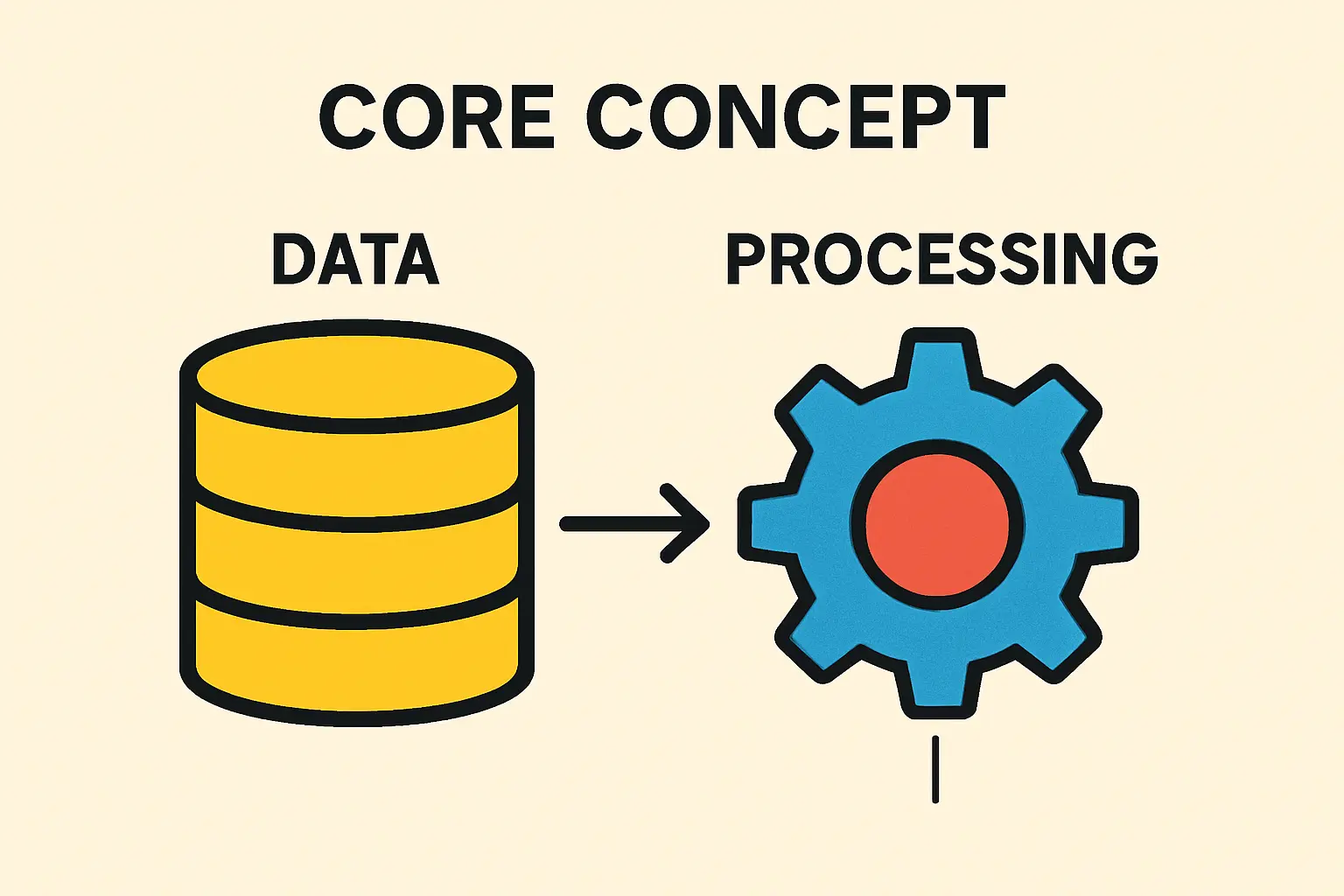
The Process Unfolds in Two Key Phases:
Phase 1: Intensive Off-Site Training
A select core team, typically consisting of 3-5 lead engineers and senior technicians, is sent abroad for intensive, hands-on training. This training usually takes place at the facilities of the equipment manufacturer (e.g., in Germany or China) or at a specialized technical center. This phase focuses on deep immersion, ensuring this core team achieves true mastery of the equipment and processes.
Phase 2: On-Site Knowledge Transfer
Upon their return to Venezuela, the core team of certified trainers leads the training for the rest of the local workforce. They cascade their knowledge to operators, maintenance staff, and quality inspectors. This approach ensures that expertise becomes embedded within the company, creating a sustainable internal training capacity for the future.
This method, frequently used in J.v.G. Technology GmbH turnkey projects, not only accelerates the learning curve but also significantly reduces reliance on long-term foreign technical support and, in turn, lowers operational costs. This addresses a key component of the overall investment requirements for solar panel production.
Designing a Curriculum for Modern Manufacturing
A successful training program must be practical and directly relevant to the tasks the workforce will perform daily. Modern solar module manufacturing lines are highly automated, so theoretical knowledge must be complemented by extensive hands-on practice with the factory’s actual equipment.
A comprehensive curriculum should be structured around the key production stages:
Foundational Training
- PV Technology 101: Principles of solar energy, cell types (e.g., PERC, TOPCon), and module construction.
- Materials Science: Understanding the properties of glass, EVA, backsheets, and aluminum frames.
- Industrial Safety & Cleanroom Protocols: Rules for operating safely and maintaining the pristine environment required for high-quality production.
Equipment-Specific Modules
This is the core of the technical program, where operators learn to run and maintain each machine.
- Cell Stringing & Bussing: Operating automatic stringers to connect solar cells into series.
- Layup & Lamination: Correctly assembling the module ‘sandwich’ and operating the laminator to cure it.
- Framing & Junction Box Installation: Applying frames and junction boxes according to precise specifications.
- Testing & Sorting: Using sun simulators and EL testers to classify finished modules by power output and quality.
This hands-on approach ensures that technicians are not just familiar with the theory but are confident and competent in operating multi-million dollar equipment from day one.
Integrating Quality Management for Global Competitiveness
Producing a solar module is one thing; producing a module that can be trusted, sold internationally, and perform reliably for 25 years is another. This requires a deep commitment to quality management.
Training must extend beyond machine operation to include the principles and procedures of a robust Quality Management System (QMS). Achieving international certifications, such as those from TÜV Rheinland or VDE, is essential for accessing export markets and securing financing for large-scale projects.
Key QMS Training Areas:
- Incoming Materials Inspection: Procedures to verify that all raw materials meet specifications.
- In-Process Quality Control (IPQC): Regular checks at each stage of production to identify and correct deviations early.
- Final Quality Assurance (FQA): Standardized testing and visual inspection of every finished module.
- Documentation & Traceability: Maintaining meticulous records that allow every component of a module to be traced back to its source—a key requirement for certification audits.
Embedding this quality-first mindset in the workforce from the very beginning is crucial for building a reputable brand and a sustainable business.
Frequently Asked Questions (FAQ)
Q1: What is the ideal background for a core team member selected for the ‘Train-the-Trainer’ program?
An ideal candidate is an engineer or senior technician with a background in mechanical, electrical, or industrial engineering. Experience in the oil and gas, automotive, or another automated manufacturing sector is highly beneficial due to their familiarity with industrial processes and complex machinery.
Q2: How long does a typical training program take?
The off-site ‘Train-the-Trainer’ program typically lasts from four to six weeks of intensive, hands-on learning. The subsequent on-site training for the broader workforce, led by the core team, can be completed in stages over two to three months as the factory is being commissioned.
Q3: Is it possible to conduct all training on-site in Venezuela?
While the majority of workforce training takes place on-site, the initial, high-level training for the core team is most effective when conducted at the equipment manufacturer’s facility. This provides unrestricted access to expert trainers and allows the team to learn on identical machines before they are even shipped, saving valuable time during plant ramp-up.
Q4: How many employees are needed for a small-to-medium-sized solar factory?
A typical 20-50 MW semi-automated production line operates with approximately 25-40 employees per shift, including production operators, maintenance staff, quality inspectors, and logistics personnel.
The Path Forward
Establishing a skilled local workforce is not a barrier but a structured process. By leveraging Venezuela’s existing industrial talent and implementing a proven training model, a new venture can build a team that is not only capable but also represents a long-term competitive advantage.
This methodical investment in human capital is a critical pillar for the venture’s success. For those considering this opportunity, the next logical step is understanding the complete roadmap. A comprehensive overview of how to start a solar factory offers the necessary context for strategic planning and decision-making.