An entrepreneur considering a new venture in solar manufacturing often focuses first on machinery, financing, and facility location. Yet experience shows that the most critical asset—and the most common point of failure—is the human element. For a prospective solar module factory in Zimbabwe, the question of labor is not about a lack of talent, but about how to effectively harness and refine it.
A common assumption is that a region without an existing solar manufacturing industry lacks the necessary workforce. This perspective overlooks a fundamental strength within Zimbabwe: a robust educational system and a pool of technically inclined individuals. The challenge lies not in sourcing people, but in implementing a structured system to transform general engineering aptitude into specialized production expertise. This article outlines a practical framework for recruiting, training, and retaining a world-class team for a solar module production line in Zimbabwe.
Assessing Zimbabwe’s Labor Landscape: Strengths and Gaps
A successful human resources strategy begins with an honest assessment of the local market. Zimbabwe presents a unique combination of advantages and challenges that require careful management.
A Strong Educational Foundation
With a national literacy rate over 88%, Zimbabwe has a strong educational baseline. Universities such as the University of Zimbabwe (UZ), the National University of Science and Technology (NUST), and the Harare Institute of Technology (HIT) consistently produce graduates in engineering, physics, and material sciences. This creates a valuable pool of candidates who grasp the core scientific principles behind photovoltaic technology, even if they lack direct industry experience.
The ‘Brain Drain’ and the Practical Skills Mismatch
Two realities of the local labor market must be acknowledged. Economic challenges have led to a ‘brain drain,’ with some experienced professionals seeking opportunities abroad. At the same time, academic curricula, while strong in theory, may not always provide the specific, hands-on industrial skills needed to operate and maintain sophisticated production machinery.
The result is a gap between theoretical knowledge and practical application. An investor cannot simply hire a recent graduate and expect them to calibrate a solar cell stringer on day one. A deliberate, well-structured training program is not just beneficial—it is essential.
Leveraging Transferable Skills from Adjacent Industries
The most significant opportunity lies in sourcing talent from Zimbabwe’s established industrial sectors, such as mining, agriculture, and light manufacturing. Technicians and engineers from these fields bring highly relevant and transferable skills:
-
Electrical Maintenance: Electricians are proficient in diagnostics, wiring, and power systems—skills foundational to maintaining production equipment like laminators and testers.
-
Mechanical Engineering: Fitters and turners understand mechanical systems, precision alignment, and preventive maintenance, all critical to the upkeep of automated assembly lines.
-
Quality Control: Professionals with experience in ISO 9001 or other quality management systems can quickly adapt to the specific protocols of PV manufacturing, including visual inspection, electroluminescence (EL) testing, and sun simulation.
These individuals are already accustomed to industrial environments, safety protocols, and the importance of production uptime. They provide a solid foundation for building specialized solar expertise.

A Strategic Framework for Building Your Production Team
Building a competent team is a multi-stage process that requires careful planning and investment. This three-phase framework offers a reliable path from recruitment to operational excellence.
Phase 1: Recruitment and Sourcing
The objective is simple: recruit for aptitude, train for skill. Instead of searching for non-existent ‘solar experts,’ focus on identifying candidates with the right foundational competencies and mindset.
Where to Look: Build partnerships with university engineering departments and vocational training centers. Actively recruit from established manufacturing and mining companies, targeting individuals with proven track records in technical roles.
What to Look For: Prioritize candidates who demonstrate attention to detail, a systematic approach to problem-solving, and an aptitude for learning technical processes. During interviews, practical aptitude tests can be more revealing than academic qualifications alone.
Leverage National Programs: Investigate support from entities like the Zimbabwe Manpower Development Fund (ZIMDEF), which may offer incentives or frameworks for industrial skills development and apprenticeship programs.
Phase 2: Structured Skills Development and Training
This phase is where the most significant value is created, bridging the gap between general technical knowledge and the specific demands of solar module production. Drawing on experience from turnkey projects, a comprehensive training program should include three core components:
-
Theoretical Foundation: A classroom-based module covering the fundamentals of photovoltaic science, solar cell technology, module components, and the entire production process from cell testing to final framing.
-
Practical Machine Operation: This is the most critical element. Training must be conducted on the actual essential machinery that will be used. This is often led by the equipment supplier’s engineers, who provide intensive, hands-on instruction for key roles operating the stringer, layup station, laminator, and testing equipment.
-
Quality Control and Process Discipline: All team members, not just QA staff, must be trained on quality standards. This includes understanding IEC certification requirements, proper materials handling, visual inspection criteria, and how to interpret EL and sun simulator test results.
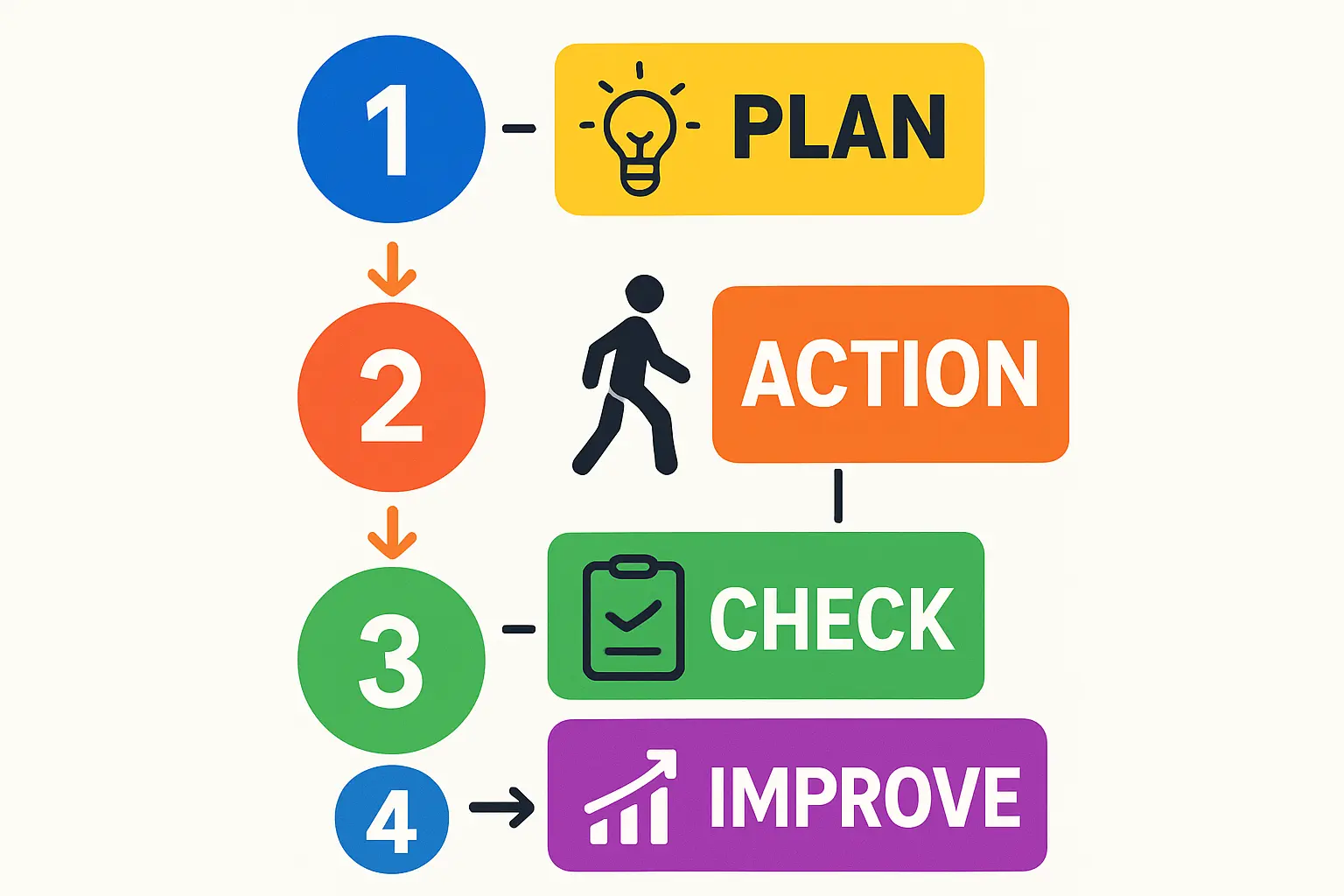
Phase 3: Retention and Continuous Improvement
In a market susceptible to brain drain, retaining trained staff is just as important as the initial training. A factory is a long-term investment, and so are its people.
-
Competitive Compensation: Offer salaries and benefits that are competitive within the skilled industrial sector to discourage attrition.
-
Career Progression: Define clear pathways for advancement. A machine operator should see a clear path to becoming a shift leader, maintenance specialist, or quality supervisor.
-
Positive Work Environment: Foster a culture of quality, safety, and mutual respect. Empowering employees to suggest process improvements fosters a sense of ownership and professional satisfaction.
Typical Team Structure for a 20-50 MW Solar Factory
For entrepreneurs developing a business plan for a solar factory, understanding the necessary human capital is crucial. A semi-automated 20-50 MW production line operating on a single shift typically requires a team of 25 to 30 employees.
Key Roles and Responsibilities:
-
Plant Manager (1): Oversees all operations, production targets, and team management. This is the one role where prior experience in a similar manufacturing environment is especially valuable.
-
Quality Assurance Engineer (1-2): Manages all quality protocols, material inspection, process audits, and final product certification.
-
Maintenance Technician (2): One with a mechanical focus and one with an electrical focus to ensure maximum equipment uptime.
-
Machine Operators (10-15): Dedicated operators for critical stations: Cell Testing, Stringing, Layup, EL Testing, Lamination, Framing, and Final Testing.
-
Production Support & Logistics (5-8): Staff for materials handling, warehouse management, and final packing and shipping.
-
Administrative Staff (2-3): For general administration, procurement, and HR functions.
This structure creates a robust yet lean operational team, with clearly defined roles to ensure efficiency and accountability.

Frequently Asked Questions (FAQ)
-
Do we need to hire experienced solar engineers from abroad?
For most roles, no. A highly effective model involves hiring a single, experienced Plant Manager (who could be an expatriate or a repatriated Zimbabwean) to lead and mentor a locally sourced team. Day-to-day operations can be handled capably by local talent after a structured training program. -
How long does it take to train a new machine operator?
Basic operation of semi-automated machinery can be learned within two to four weeks of intensive, hands-on training. Achieving a high level of proficiency, including basic troubleshooting and maintenance, typically takes three to six months of on-the-job experience. -
What is the role of government programs like ZIMDEF?
These programs can be valuable partners. They may offer financial subsidies for accredited training courses, help structure apprenticeship programs, or provide a network for sourcing candidates from vocational institutions, potentially lowering the initial investment in workforce development. -
How do labor costs in Zimbabwe compare to other regions?
While labor costs for skilled technicians in Zimbabwe are globally competitive, the focus should not be on cost alone, but on value. Investing in competitive wages and excellent training to retain a skilled, motivated team yields a far greater return through higher product quality, fewer defects, and consistent output.
Conclusion and Next Steps
The potential to establish a successful solar module manufacturing facility in Zimbabwe is significant, and the local workforce is an asset, not a liability. The country’s strong educational base and existing pool of industrial technicians provide fertile ground for developing the specialized skills needed for a modern production line.
Success depends not on finding pre-made solar experts, but on implementing a deliberate strategy to build them. By focusing on aptitude over experience, investing in comprehensive training, and creating an environment that retains talent, an entrepreneur can build a world-class team capable of producing high-quality solar modules for local and regional markets.
Understanding the workforce is a critical part of planning a turnkey solar factory. Once your human resources strategy is clear, the next step is defining the physical space. Explore our guide on the factory layout and building requirements to ensure a safe and efficient production environment.