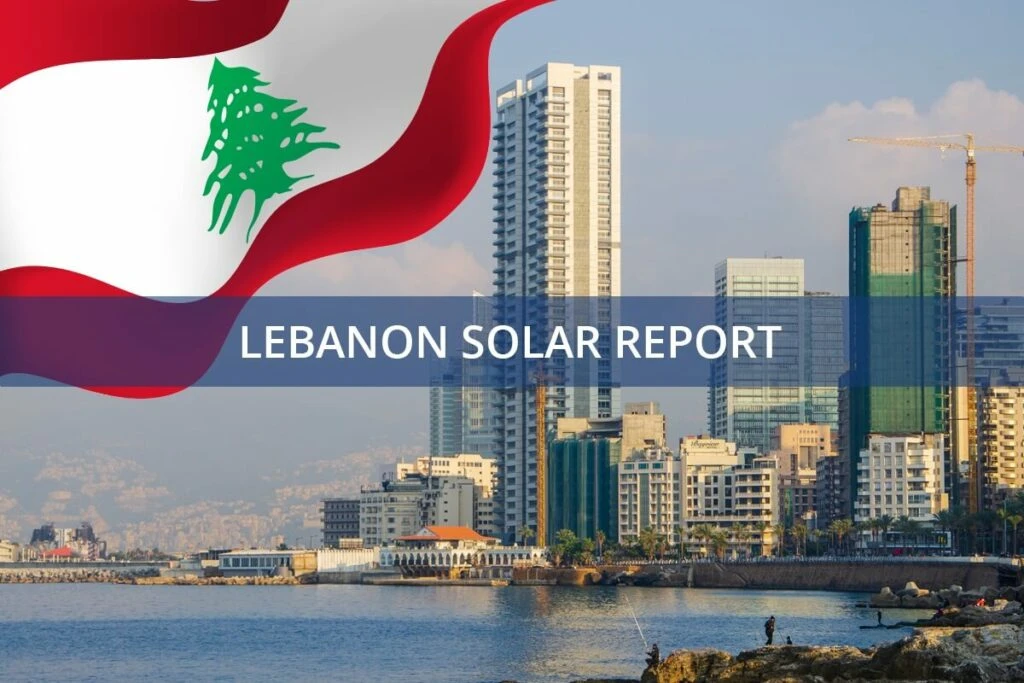
Lebanon is witnessing a profound transformation in its energy sector, marked by a rapid acceleration in solar power adoption. While reports have circulated of a massive 100,000-ton influx of solar panels in 2024, a detailed review of national and international energy data suggests this figure more accurately reflects the country’s ambitious climate goals rather than a literal import volume. This undeniable trend, described by humanitarian organizations as a “solar revolution,” is fundamentally reshaping how the nation meets its energy needs.
A Grassroots Response to an Enduring Crisis with Lebanon solar investment Surges with 100000 Tons of Solar Panels in 2024
The primary driver behind this shift is Lebanon’s severe and ongoing energy crisis. Faced with an unreliable national grid and frequent power outages, citizens and businesses have increasingly turned to decentralized solar solutions. This grassroots movement has propelled the installation of over 1,000 MW of rooftop solar capacity since 2010, as detailed in a July 2024 report on energy access. This surge represents a market-driven response to systemic grid failures, demonstrating a bottom-up push toward energy resilience.
National Goals and Financial Hurdles for Lebanon solar investment Surges with 100000 Tons of Solar Panels in 2024
On a national level, Lebanon is working to formalize its transition to clean energy. According to the country’s First Biennial Transparency Report, renewable sources constituted 12% of the power supply in 2022. The government has established a Nationally Determined Contribution (NDC) target to elevate this share to 18% by 2030, supported by $30.4 million in mitigation funding that prioritizes solar and smart grid development. However, high upfront installation costs remain a critical barrier, preventing many households and essential services from adopting solar. To address this, proposals include targeted investments, such as a $5 million plan to equip 200 schools and health centers with solar power.
Contextualizing the 100,000-Ton Figure for Lebanon solar investment Surges with 100000 Tons of Solar Panels in 2024
The widely cited 100,000-ton figure for solar panel imports is not corroborated by official energy or customs reports for Lebanon. The number, however, bears resemblance to other key metrics in the regional energy sector. For instance, Lebanon’s long-term climate strategy outlines renewable energy projects aimed at mitigating 100,000 tonnes of CO2 emissions. Separately, a major 100,000-ton capacity polysilicon plant is under development in Oman, underscoring the scale of the region’s renewable supply chain. This context suggests the figure symbolizes the magnitude of the energy transition rather than a direct measure of panel imports into Lebanon.
The Path Forward for Lebanese Solar Investment as Lebanon solar investment Surges with 100000 Tons of Solar Panels in 2024
Lebanon’s journey toward energy independence is increasingly reliant on solar technology. From individual installations, like the one powering the World Food Programme’s Zahle office, to broad national strategies, the momentum is clear. While financial challenges persist, the commitment to renewable energy is a critical and necessary response to the country’s crisis. For a deeper dive into the country’s market dynamics, a variety of solar industry reports offer further insights. Ultimately, the story of Lebanon’s solar surge is one of resilience, demonstrating a fundamental shift toward a more sustainable and decentralized energy future.
Sources of Lebanon solar investment Surges with 100000 Tons of Solar Panels in 2024
- Lebanon Rapid Damage and Needs Assessment (RDNA)
- 2024 Federal Energy Resource Guide
- LEBANON’S Long Term – Low Emission Development Strategy
- Lebanon Annual Country Report 2024
- A Roadmap for Energy Access in Displacement Settings (READS) Lebanon
- Oman: United Solar Secures Full $1.6bn Financing
- Lebanon’s First Biennial Transparency Report (BTR)