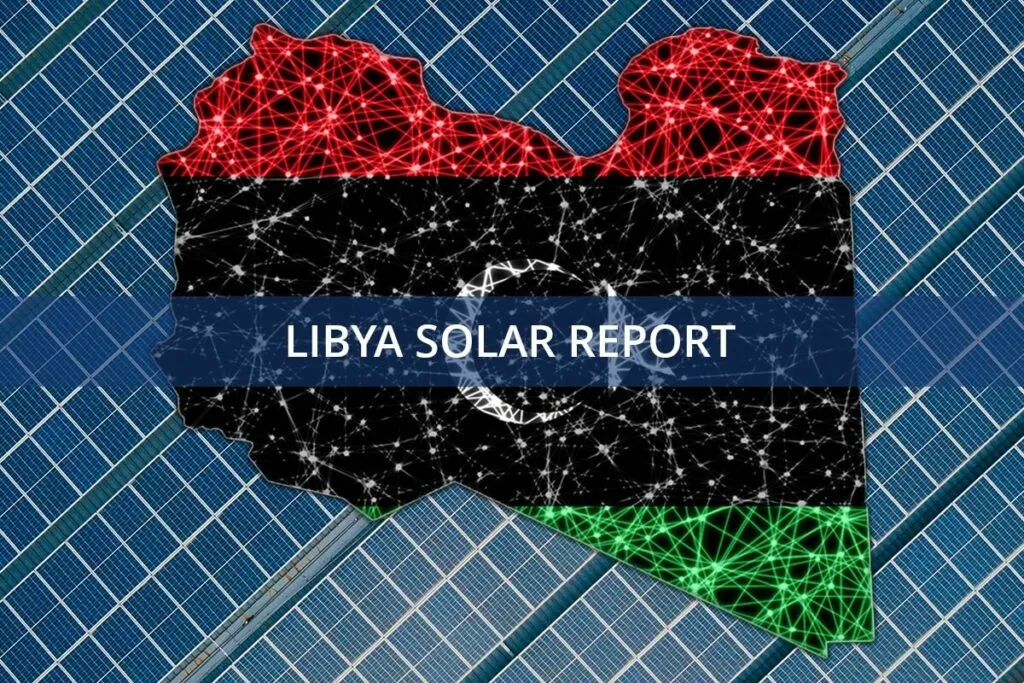
Maltese Prime Minister Robert Abela has announced an ambitious plan to build a large solar farm on Libya’s coast, which will connect to Malta via an electric cable. This project aims to reduce fossil fuel reliance and reshape the energy landscapes of both nations.
Speaking at the Mediterranean Migration Forum in Tripoli, Abela also highlighted Libya’s economic potential for Maltese investors, particularly in the renewable energy sector.
Fostering Energy Independence
In a move to bolster bilateral cooperation and reduce fossil fuel dependence, Maltese Prime Minister Robert Abela has unveiled an ambitious plan to build a large solar farm on Libya’s coast. The project, which will connect to Malta via an electric cable, promises to transform the energy landscapes of both nations.
Abela underscored Libya’s vast economic potential for Maltese investors, highlighting the renewable energy sector as a crucial area for growth. Outlined in a Memorandum of Understanding, the project aims to cut carbon emissions, stabilize Malta’s energy prices, and potentially allow surplus energy to be exported to European markets.
“The project will enable Malta to sell excess energy to European markets and contribute to stabilizing Libya and ensuring a better future for its people,” Abela explained. He emphasized the initiative’s dual benefits: fostering energy independence for Malta while boosting economic stability in both countries.
Addressing Energy Poverty and Migration Challenges
The Prime Minister also stressed the need for Malta-Libya collaboration in addressing illegal migration. He advocated for an approach that balances the protection of migrant rights with ensuring their return home, highlighting how investing in Libya can improve living conditions, create jobs, and combat smuggling networks.

Malta and Libya collaborate on solar energy projects to combat energy poverty and support sustainability in the region.
“Countries like Libya are under immense pressure from migrant flows,” Abela said. “Malta and Europe can help by investing in education, healthcare, and job creation for the youth.”
Malta, one of the smallest EU nations, faces significant challenges in its energy sector. With a poverty rate of 16.7% as of December 2022, energy affordability is a major concern. Reports from 2018 indicated that 7.6% of households in Malta could not afford adequate heating, a figure close to the EU average. This struggle is compounded by high prices and underscores the nation’s struggle with energy poverty.
In this context, Prime Minister Abela’s vision for the Malta-Libya solar farm project is a significant step toward achieving the European Union’s 2050 climate neutrality goals. Through this initiative, Malta aims to reduce its carbon footprint, stabilize energy prices, and enhance its economic resilience.
Malta’s Renewable Energy Potential
Despite its challenges, Malta has significant untapped potential for renewable energy. The island nation receives abundant sunshine, making it an ideal location for large solar arrays. Additionally, offshore wind farming, a proven concept within the European Union, could be implemented off Malta’s shores.
Increasing renewable energy in Malta could have a substantial impact on reducing the national poverty rate. Investments in renewables also help mitigate the effects of changing weather patterns, reducing the severity of natural disasters like floods and storm surges that disproportionately affect the most vulnerable populations.
By diversifying its energy sources with renewables, Malta can lower both direct and indirect energy costs. This transition not only addresses national needs but also stimulates economic growth by reducing dependence on imported fossil fuels and enhancing energy security.
Expanded renewable energy can also positively affect global trade, potentially leading to energy exports and other economic benefits, such as wage increases. This project exemplifies strategic international cooperation in addressing complex challenges like energy poverty, economic instability, illegal migration, and environmental sustainability. By investing in renewables, Malta and Libya are contributing significantly to a brighter, more sustainable future and the global fight against climate change.