Papua New Guinea Solar Report

Gain comprehensive insights into the statistics and metrics surrounding the solar production industry in Papua New Guinea

  1. Climate to travel (n.d). Climate in Papau New Guinea. Retrieved January 7, 2025, from https://www.climatestotravel.com/climate/papua-new-guinea
  2. IRENA (31st july 2024). Energy Profile Papau New Guinea. Retrieved February 7, 2025, from https://www.irena.org/-/media/Files/IRENA/Agency/Statistics/Statistical_Profiles/Oceania/Papua%20New%20Guinea_Oceania_RE_SP.pdf
  3. USAID (july 2022). PAPUA NEW GUINEA ENERGY SECTOR INVESTOR GUIDE. Retrieved February 7, 2025, from https://www.ipa.gov.pg/Documentation/PG/PNG%20Energy%20Sector%20Investor%20Guide_12%20AUGUST2022%20_508%20compliant_FINAL.pdf
  4. SINALDA.com (n.d). Voltage in Papua New Guinea. Retrieved February 7, 2025, from https://www.sinalda.com/world-voltages/oceania/voltage-papua-new-guinea/
  5. Renewable Capacity Statistics 2024 (march 2024). Total Capacity Solar Energy. Retrieved February 7, 2025, from https://www.irena.org/Publications/2024/Mar/Renewable-capacity-statistics-2024
  6. Low Carbon Power (n.d). Electricity in Papua New Guinea in 2022. Retrieved February 7, 2025, from  https://lowcarbonpower.org/region/Papua_New_Guinea
  7. World Bank Group (n.d). Power outages in firms in a typical month (number) – Papua New Guinea. Retrieved February 7, 2025, from https://data.worldbank.org/indicator/IC.ELC.OUTG?locations=PG
  8. PV Magazine (February-13-2024). Australian-backed solar farms completed in Papua New Guinea. Retrieved February 7, 2025, from https://www.pv-magazine-australia.com/2024/02/13/australian-backed-solar-farms-completed-in-papua-new-guinea/
  9. Power Technology(October-21-2024). Power plant profile: Hiri Solar Farm, Papua New Guinea. Retrieved February 7, 2025, from https://www.power-technology.com/data-insights/power-plant-profile-hiri-solar-farm-papua-new-guinea/
  10. PNG-off-grid-report (n.d). Going the Distance: Off-Grid Lighting Market Dynamics in Papua New Guinea. Retrieved February 7, 2025, from https://www.ifc.org/content/dam/ifc/doc/mgrt/png-off-grid-report.pdf
  11. Paylab with ukraine (n.d). Salaries in the category: Electrical & Power Engineering. Retrieved February 7, 2025, from  https://www.paylab.com/pg/salaryinfo/electrical-power-engineering?lang=en
  12. Worldometer (n.d). Papua New Guinea Population. Retrieved February 7, 2025, from https://www.worldometers.info/world-population/papua-new-guinea-population/
  13. TimeCamp (n.d).Average Salary in Papua New Gwinea. Retrieved February 7, 2025, from https://statistics.timecamp.com/average-salary/papua-new-gwinea/
  14. NUMBEO (February 2025). Cost of Living in Papua New Guinea. Retrieved February 7, 2025, from  https://www.numbeo.com/cost-of-living/country_result.jsp?country=Papua+New+Guinea
  15. Hasples.com.pg (n.d). Warehouses for Rent in PNG. Retrieved February 7, 2025, from https://www.hausples.com.pg/rent/commercial/?categories=Warehouse
  16. Hasples.com.pg (n.d).Offices for rent. Retrieved February 7, 2025, from https://www.hausples.com.pg/commercial/
  17.  Power Sector Development Project (n.d). SECTOR ASSESSMENT (SUMMARY): ENERGY. Retrieved February 7, 2025, from  https://www.adb.org/sites/default/files/linked-documents/47356-002-ssa.pdf
  18. Database.earth(n.d). Electricity Generation of Papua New Guinea. Retrieved February 7, 2025, from  https://database.earth/energy/electricity-generation/papua-new-guinea#google_vignette
  19. International Trade Administration (11-01-2024). Papua New Guinea – Country Commercial Guide. Retrieved February 7, 2025, from https://www.trade.gov/country-commercial-guides/papua-new-guinea-standards-trade
  20.  Nisit News (n.d). TIMBER LEGALITY AND OFF-GRID SOLAR STANDARDS. Retrieved February 7, 2025, from https://www.nisit.gov.pg/home/nisit-news/244-timber-legality-and-off-grid-solar-standards
  21. PNG Power LTD (n.d). Notice on grid-connected Solar Photovoltaic System in Papua New Guinea. Retrieved February 7, 2025, from https://www.pngpower.com.pg/images/misc/PNG_Power_Solar_Rooftop_Scheme_-_Final_Notice_Dec_2018.pdf
  22. High Commission of the Independent State of Papua New Guinea (n.d). Incentives. Retrieved February 7, 2025, from https://pngcanberra.org/incentives/
  23. EMTV(24-02-2024). Aitape solar farm goes through 14 days trial stage. Retrieved  February 7, 2025 from https://emtv.com.pg/aitape-solar-farm-goes-through-14-days-trial-stage/
  24. Bougainville Copper Limited (28, February 2023). ARAWA Solar Energy Upgrades. Retrieved February 7, 2025, from  https://www.bcl.com.pg/arawa-solar-energy-upgrades/
  25. Solarsolutions (n.d). About us. Retrieved February 7, 2025, from https://solarsolutionspng.com/
  26. GREEN: future envisioned (n.d). Home. Retrieved February 7, 2025, from https://www.green.com.pg/
  27. TAG ENERGY LTD (n.d). Home. Retrieved February 7, 2025, from https://www.solar.tagenergy.com.pg/

Key points

  • All figures have been converted into USD

Yearly sunshine (sun hours per year)

On average, Papua New Guinea gets around 2,000 to 3,000 hours of sunshine per year 1

Read less

kWh per kWp installed

In Papua New Guinea, the average energy yield from solar installations is around 1,200 to 1,600 kWh per kWp per year. 2

Read more


Average cost per kWh from utility company

The average domestic (credit meter) cost of electricity in Papua New Guinea is approximately USD 0.25 per kWh 3

Read more


Reliability of electrical power supply grid

The reliability of the electrical power supply grid in Papua New Guinea faces significant challenges. The electricity supply network is often unreliable, with frequent power outages and load shedding. This is primarily due to inadequate infrastructure, poor maintenance of power plants, and limited fuel supplies for diesel generators. The situation is particularly acute in rural areas, where access to electricity is limited, and power outages are more frequent. 4

Read less


Detailed Information

  • All figures have been converted into USD
  • Total solar panel production capacity (installed)

    Papua New Guinea has an installed solar power capacity of approximately 4 MW. 5

    Total solar panel production capacity (projected)

    The PNG capacity expansion plan includes adding 6 MW at RAMU from 2026 to 2030, 7 MW at Port Moresby from 2031 to 2035, and 8 MW from 2036 to 2040. 3

    Average costs of various electricity generation sources (coal, natural gas, solar, etc)

    Specific figures for the average cost of generating electricity from various sources in Papua New Guinea are not readily available.

    Percentages of various electricity generation sources (coal, natural gas, solar, etc)

    6

    • Fossil Fuels: 56.1%
    • Gas: 18.8%
    • Hydropower: 16.6%
    • Geothermal Energy: 8.3%

    Average daily availability of electricity from the national grid (measured in hours)

    The exact figure for the average daily availability of electricity from the national grid in Papua New Guinea is not available. According to the World Bank, firms in Papua New Guinea reported an average of 41.9 power outages per month for firms in 2015. 7

    Number of residential solar panel installations

    The exact number of residential solar panel installations in Papua New Guinea  isn’t readily available. However, approximately 60% of the population owns at least one off-grid solar product, such as solar home systems and solar lanterns. Ownership varies by region and is highest in the Islands Region. 3

    Total number of solar farms (installed and projected)

    From publicly available records, it seems like there are around 2 installed and 2 projected solar farms in Papua New Guinea. 89

    Off-grid market demand for solar panels (current and projected)

    The off-grid market demand for solar panels in Papua New Guinea has been growing significantly. According to a report by the International Finance Corporation (IFC), the market for off-grid solar products, including solar home systems and solar lanterns, is estimated at $259 million per year and is expected to grow over the next five years. This growth is driven by the need for sustainable and clean energy solutions, especially in remote and rural areas where access to the national grid is limited. 10

    On-grid market demand for solar panels (current and projected)

    Current Demand: As of 2023, the installed capacity for on-grid solar PV in Papua New Guinea  is approximately 4 MW. 3

    Projected Demand: The on-grid solar PV market in Papua New Guinea is projected to continue its growth, with an expected  6 MW to be installed at RAMU from 2026 to 2030, 7 MW at Port Moresby from 2031 to 2035, and 8 MW from 2036 to 2040. 5

    Average monthly income of workers in solar industry (labor cost)

    The average monthly salary of a solar industry worker is not readily available. However, The gross salary range for individuals working in Electrical & Power Engineering in Papua New Guinea typically spans from around $437 (minimum salary) to $1,537 (highest average, with the actual maximum salary being higher). 11

    Population of the country

    As of the latest data, the population of Papua New Guinea is approximately 10.68 million 12

    Average overhead costs of solar panel production (with a brief breakdown)

    Labor costs 13: The average monthly salary in Papua New Guinea is around $1,200 USD, while the average monthly minimum wage is $134 USD.

    Utilities

    • Industrial Electricity Prices : Approximately  $0.18 USD per kilowatt-hour. 3
    • utilities (including water, gas, heating, cooling, and electricity) can cost around $99.50 per month for a 85m² apartment 14

    Rent 1516: The cost of renting a warehouse in Papua New Guinea can vary depending on the location and size of the warehouse:

    Lae, Morobe: Around 5,317 USD per month for a warehouse with a floor area of 500m² and a land area of 700m².

    Port Moresby, NCD: Prices can range from 4,519 USD to 15,952 USD per month, depending on the size and location.

    Facility Maintenance costs: for manufacturing facilities in Papua New Guinea can vary based on several factors, including the size of the facility, the type of equipment used, and the specific maintenance practices in place.

    Administrative Expenses costs associated with the management of the production process, including salaries of administrative staff, office supplies, and other general expenses, typically add up to a substantial part of the overhead.

    Quality control expenses incurred to ensure the solar panels meet performance and safety standards, including testing and inspections.

    A summary of the energy infrastructure

    Papua New Guinea’s energy infrastructure is evolving and faces significant challenges.Here are some key points: 361718

    • Electricity Generation: Papua New Guinea’s electricity generation is primarily from fossil fuels, which account for 73.46% of the total electricity produced. The remaining generation comes from hydroelectric power (16.46%) and other renewables (8.23%)
    • Access to Electricity: Only about 19% of the population has access to electricity, with grid penetration in provincial capitals being less than 14%.
    • Primary Power Utility: PNG Power Ltd is the main power utility, responsible for power generation, transmission, and distribution.
    • Power Generation: The country’s total installed generation capacity is 600 MW. This includes hydropower (40%), diesel (38%), gas-fired (14%), and geothermal (8%)
    • Independent Power Producers (IPPs): Several IPPs supply electricity through power purchase agreements with PNG Power
    • Major Power Grids: PNG Power operates two main power grids – the Port Moresby grid and the Ramu grid – along with 19 geographically isolated mini-grids powered primarily by diesel.
    • Challenges: The mountainous terrain, scattered population, high generation costs, high network losses, and inadequate infrastructure contribute to the complexity of delivering reliable electricity. Governance and financial management within PNG Power are additional challenges.
    • Renewable Energy Goals: PNG aims to achieve 100% renewable energy by 2050. The government is working on upgrading the infrastructure and expanding renewable energy sources.
    • PNG Electrification Partnership: Launched in 2018, this partnership aims to provide electricity to 70% of the population by 2030.
    • Key Projects: Various initiatives, such as the PNG Energy Utility Performance and Reliability Improvement Project and the National Energy Access Transformation Project, focus on enhancing the energy infrastructure and increasing access to electricity.

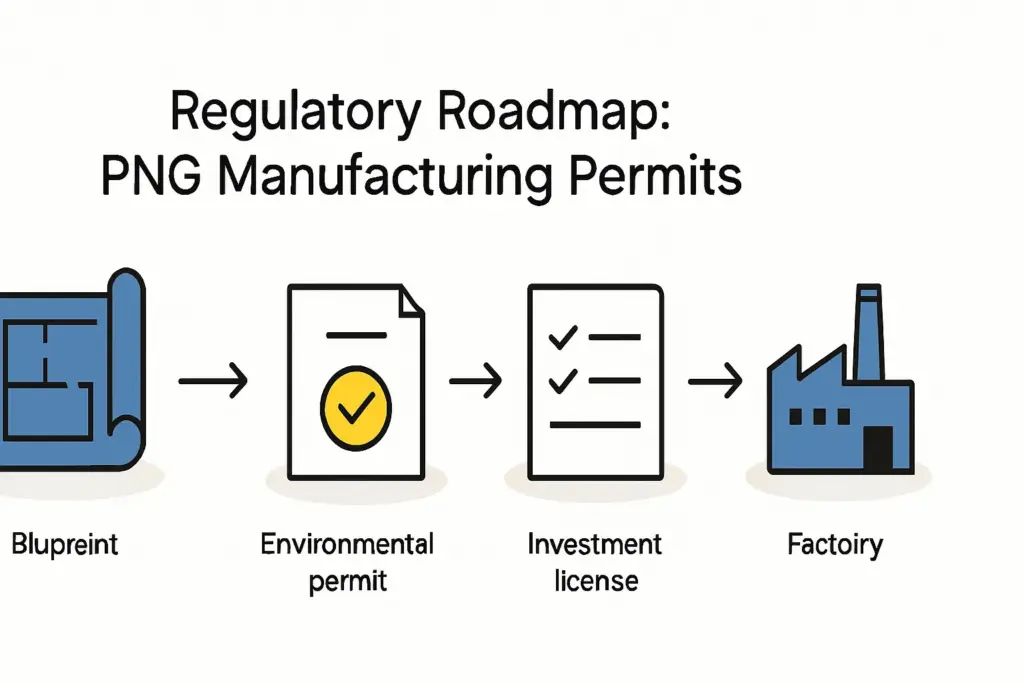
    Some of the government regulations surrounding solar panel production

    192021

    In Papua New Guinea, the government has been working to promote renewable energy, including solar power, to address energy challenges and reduce reliance on fossil fuel. However, specific regulations and policies for solar panel production are not well-defined. The country’s regulatory framework for renewable energy is still developing, and there are no specific incentives or mandates for solar panel production at this time

    National Institute of Standards and Industrial Technology (NISIT): NISIT is the government statutory national standards body responsible for technical standards, metrology, and conformity assessment schemes. They have adopted the International Electrotechnical Commission (IEC) standards for off-grid solar systems, including test methods and quality standards for renewable energy systems2.

    Off-Grid Solar Standards: NISIT has adopted the following standards for off-grid solar systems:

    • PNGS/IEC TS 62257-9-5:2022: Test methods for renewable energy and hybrid systems for rural electrification.

    PNGS/IEC TS 62257-9-8:2022: Quality standards for renewable energy and hybrid systems for rural electrification.

    Grid-Connected Solar Photovoltaic Systems: PNG Power Limited has issued a notice outlining the technical specifications, eligibility criteria, and installation requirements for grid-connected rooftop solar PV systems. This includes system size limits, tariffs, and testing and certification procedures.

    Compliance with Legislation and Regulations: All solar manufacturing and installation activities must comply with relevant legislation and regulations, including safety standards and environmental regulations.

    Quality Standards:

    Solar PV Modules: Must meet standards such as IEC 61215, IEC 61853, IEC 61730, and others. They should be Potential Induced Degradation free and tested as per IEC 62804.

    Inverter Equipment: Must comply with standards including IEC 61000, IEC 61727, IEC 61683, and more. Inverters should have Type-II Surge Protection Device and short circuit protection at both DC and AC sides.

    Conformity to Standards: Requires a Type Test certificate from an accredited testing laboratory, provided by the manufacturer or re-seller. The flash test result of all PV Modules must be available.

    String Combiner Box: Optional for systems with String Inverter but must comply with specified standards if used.

    DC Cable: Must be Cross Linked Polyolefin Type Cu cable of suitable voltage grade with high conductivity annealed tinned copper conductors.

    Government initiatives in solar panel production (includes investments and subsidies)

    22

    In Papua New Guinea, the government has been working to promote renewable energy, including solar power, to address energy challenges and reduce reliance on fossil fuel.

    The country’s regulatory framework for renewable energy is still developing, and there are no specific incentives or subsidies for solar panel production at this time.

    Tax Exemptions: Companies involved in solar panel manufacturing may be eligible for exemptions from company income tax for the first three years of export and for the following four years, profits on any increase in export sales over the average for the first three years are also exempt.

    Export Market Development: There is a deduction of income from taxable income equal to twice the amount of any expenditure on developing an export market. This incentive is available for the promotion of sales of goods manufactured entirely in Papua New Guinea.

    Viability Gap Financing (VGF): The National Energy Access Transformation Project (NEAT) provides Viability Gap Financing to private companies that build, operate, own, and transfer mini-grids. This helps reduce the financial burden on companies and encourages private sector involvement in renewable energy projects.

    Ten-Year Tax Exemption: New businesses in prescribed remote areas of Papua New Guinea, including solar manufacturing companies, can enjoy a ten-year tax exemption

    Investment Grants: The NEAT project also offers investment grants to private service providers to install, operate, and maintain renewable energy-based micro-grid systems in rural areas. Additionally, there are catalytic grants and result-based financing (RBF) grants to eligible solar companies to extend their supply chains, develop markets, and scale-up the sales of certified off-grid solar energy kits.

    Notable solar projects in the country (installed and projected)

    Installed Projects 2324

    The Aitape (West Sepik) and Arawa solar farms in Papua New Guinea are major the renewable energy projects supported by Australia. These solar farms aim to provide electricity to over 50,000 households. The Aitape Solar Farm, located in West Sepik, has installed 1,050 solar panels generating 780 kilowatts of solar power. The Arawa Solar Farm, located in Bougainville, is part of a broader initiative to upgrade provincial mini-grids with customized renewable hybrid solutions, including solar photovoltaic arrays and battery energy storage systems.

    Projected Projects

    Hiri Solar Farm 9:

    • Location: Central Province, Papua New Guinea
    • Capacity: 500 MW
    • Details: Currently at the permitting stage, construction is likely to commence in 2026 and is expected to enter into commercial operation in 2027 .

    East New Britain solar farm 8:

    • Location: Wairiki
    • Capacity: 5 MW
    • Details: still in planning stage

    Some of the notable solar companies (plus brief details on what they do)

    • Solar Solutions PNG 25: Based in Port Moresby, this company was founded in 2013 with the aim of providing clean, reliable energy access to off-grid communities. They also address broader challenges such as water, sanitation, and education needs.
    • GREEN Limited 26: This company focuses on renewable energy solutions and services, particularly targeting rural areas that lack access to conventional energy sources. They provide a range of energy solutions, including micro-grid to utility-scale solar energy generation and distribution. Top-quality solar panels, expert installation, and repair services. They offer a range of solutions, including large-scale solar power systems, residential and commercial rooftop installations, and off-grid systems for rural areas. Their mission is to promote sustainable energy and contribute to a cleaner, greener future.
    • TAG Energy 27: offers solar panel installation services, including rooftop and standalone solar systems. They have been operating since 2007. specializing in renewable and solar energy solutions. Based in Port Moresby, they offer a range of services, including solar power systems, high voltage (HV) and low voltage (LV) power distribution, and street lighting1. Since 2013, TAG Energy has implemented numerous projects, impacting thousands of households and organizations across the country.

More about Papua New Guinea Solar Business

Our Services

Business Plan E-Course 

Learn more about our free e-Course here

Full Scale Solar Production Service

Learn more about our full scale production service here

Consulting Service

Learn more about our free consulting service here

Turnkey Service

Learn more about our free turnkey service here

Are you interested in starting your own solar module production line?

We can help you start your own solar module production company. With our 100% turnkey service, we will deliver the needed machines, do a technology transfer, provide expert and excellent support, and help you with the know-how needed to start even if you don't have any previous experience in this industry.

Start Your Own Solar Panel Production Line Today!

>