Construction is set to begin on the Hazelwood North Solar Farm—soon to be Victoria’s largest—after receiving recent planning approval from the state government.
The massive project includes a 450-MW solar farm and a 450-MW, four-hour battery energy storage system capable of storing 1,800 MWh of clean energy.
Victoria Approves $651M Solar and Battery Project
The Victorian government has granted planning permission for the $651 million solar and battery project in the Latrobe Valley. Developed by the family-owned Manthos Investments and managed by Robert Luxmoore, the Hazelwood North Solar Farm will be built on a sprawling 1,100-hectare site between Morwell and Traralgon, about 150 kilometres east of Melbourne.
According to Victoria’s Planning Minister, Sonya Kilkenny, this project is crucial to achieving the state’s ambitious renewable energy goals of 65% generation by 2030 and 95% by 2035. The development also supports Victoria’s energy storage targets, which aim for at least 2.6 GW by 2030 and 6.3 GW by 2035.
Hazelwood North Solar Farm to Create 500 Jobs and Power 150,000 Homes
The AU$651 million (USD 433 million) project is expected to deliver a substantial economic boost to local communities, creating approximately 500 jobs during its construction phase.
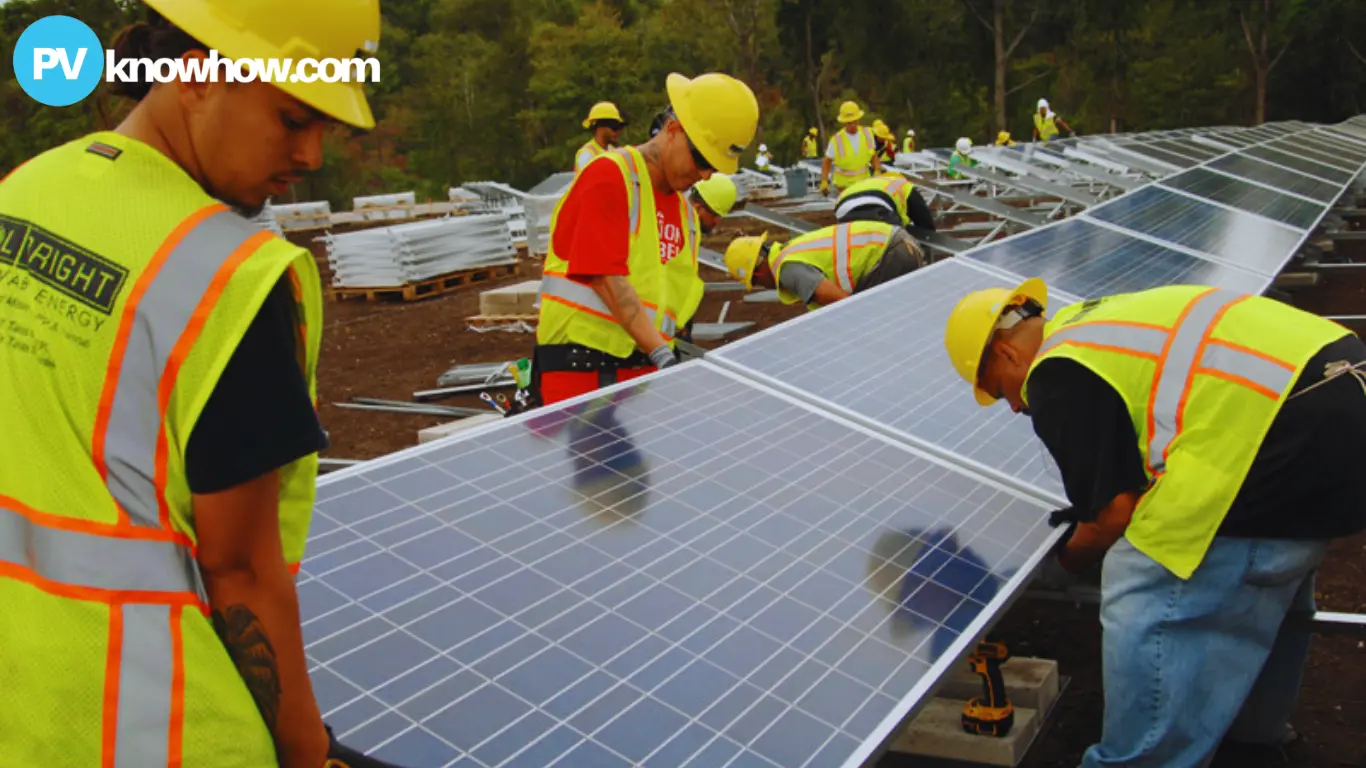
Image: Collected
Once operational, the facility will generate over 700,000 MWh of clean electricity annually. Its integrated four-hour battery energy storage system will ensure a steady supply to the grid, powering roughly 150,000 homes. This influx of clean energy is expected to help reduce electricity costs for residents and businesses and improve overall energy accessibility.
“The Latrobe Valley has been the home of Victoria’s energy generation for decades and our nation-leading targets are helping solidify its role in our renewable energy future – this project will deliver 500 local jobs and power 150,000 homes,” said Lily D’Ambrosio, Minister for Energy and Resources.
Preserving Agricultural Land While Promoting Sustainability
The project’s design allows ongoing agricultural activities, such as grazing and dryland cropping, to continue on the land. Beyond its local impact, the solar farm also supports Victoria’s efforts to cut greenhouse gas emissions, aligning with Australia’s international climate commitments and aiding the state’s transition away from coal.
“The panels will not present a risk to the livestock, and farming operations will not affect the efficiency of the solar facilities. Allowing agricultural activities to continue on the site represents best practice within the renewable energy industry and maximises the utility of the site,” said the developer.