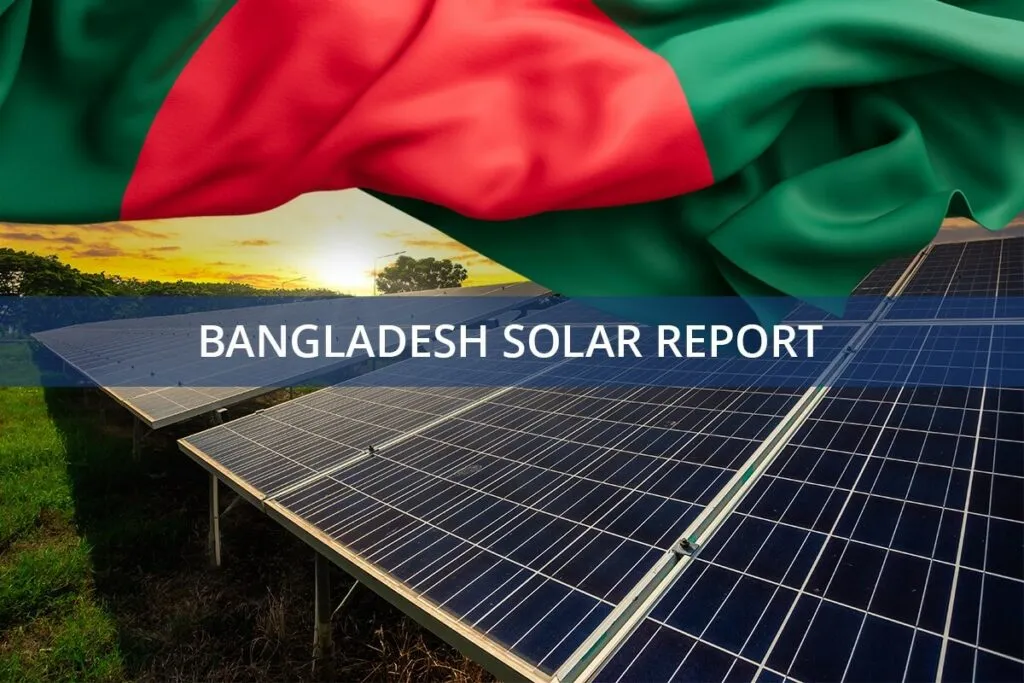
Bangladesh Solar Tender: Largest Renewable Energy Project
In a major push toward renewable energy, Bangladesh has launched its largest solar tender to date, aiming to develop a massive 2.6 GW of solar projects. This ambitious initiative by the Bangladesh Power Development Board (BPDB) is a significant step in the country’s strategy to shift from fossil fuels to clean energy sources.
According to the BPDB’s official announcement, the tender is split into two segments: 1.6 GW for the national grid and 1 GW dedicated to the country’s southwestern region. Developers are invited to submit bids for one or both segments, with a competitive cutoff price set at US$0.08/kWh. The deadline for all bid submissions is November 14.
Advancing National Renewable Energy Goals
This tender is a cornerstone of Bangladesh’s broader goal to increase its renewable energy capacity to 30% by 2030. The nation plans to add 6,000 MW of renewable capacity by 2025, with solar power accounting for 4,000 MW of that target. Currently, Bangladesh has approximately 1.2 GW of installed solar capacity, with another 2.7 GW in various stages of development. To diversify its portfolio, the country is also actively pursuing other renewable projects, including wind and hydropower. Given Bangladesh’s average solar radiation of 4.5 kWh/m2 per day, solar energy is not only viable but also an increasingly cost-effective solution.
Solar’s Growing Role in the National Energy Mix
Solar power is playing a crucial role in reshaping Bangladesh’s energy landscape, which has traditionally relied on fossil fuels. In 2022, solar energy contributed 0.5% to the total electricity generation with an installed capacity of 1,025 MW. Looking ahead, the government aims for renewables to make up 10% of the power mix by 2030. Achieving this will require significant growth in solar installations, which are expected to contribute 4,000 MW of capacity. The transition is supported by favorable economics, as the cost of this clean and reliable energy source has plummeted by 90% over the past decade.
Opportunities and Challenges in Solar Expansion
Despite its high solar potential, Bangladesh faces several challenges in expanding its solar panel infrastructure, including limited land availability, inadequate grid infrastructure, and high initial investment costs. A lack of public awareness can also slow adoption.
However, the government’s commitment to expanding Bangladesh solar energy is driven by powerful benefits, including job creation, lower long-term energy costs, and significant environmental advantages. This clean energy transition promises to diminish the country’s reliance on fossil fuels, improve air quality, and help combat climate change.
To accelerate this shift, solar power—harnessed via rooftop panels, large-scale farms, or solar water heaters—is becoming more accessible. The government is actively promoting adoption through incentives like subsidies, tax breaks, and net metering policies, while ongoing projects continue to address these obstacles.
Ultimately, Bangladesh’s 2.6 GW solar tender is a landmark step in its renewable energy journey. By aiming to reduce fossil fuel dependence, create jobs, and improve air quality, the initiative is poised to attract both domestic and international investment. This project will be crucial in boosting the country’s solar capacity and advancing its sustainable energy goals. More information on this transformative initiative can be found on PV Know How.