Algeria Advances Solar Ambitions with 80 MW Plant in Bechar
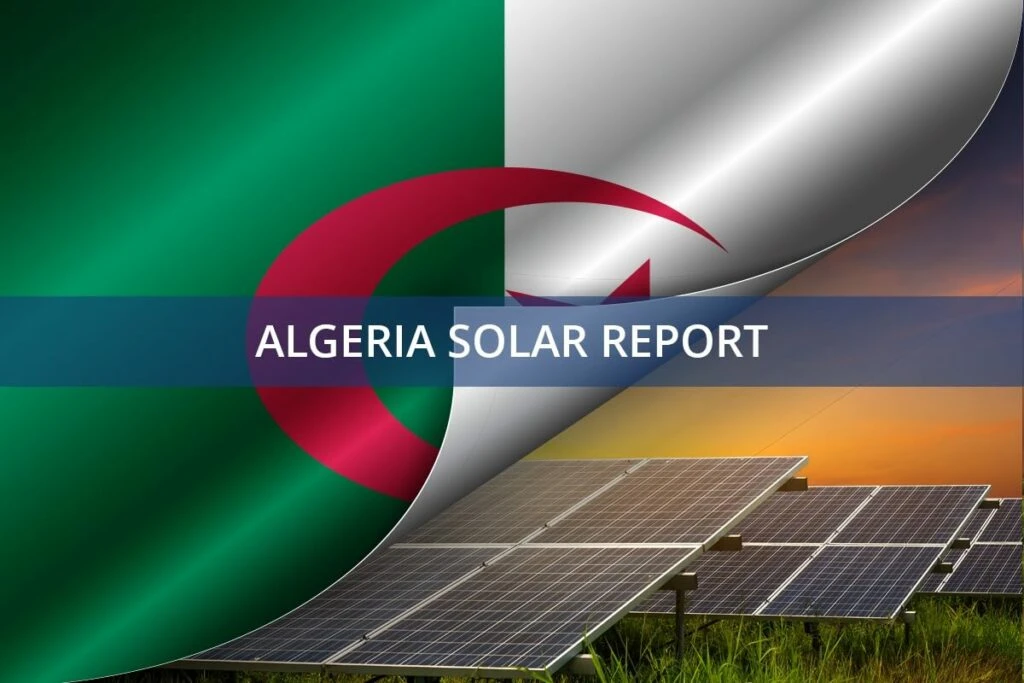
Algeria is taking a major step in its energy transition with the construction of an 80 MW solar power project in Al-Abadla, Bechar province. This key Algeria project is a central component of the nation’s Tafouk 1 program, an ambitious initiative designed to install 2 GW of solar capacity and strengthen the country’s renewable energy infrastructure.
The Tafouk 1 Program: A National Solar Initiative
The Al Tafouk 1 solar program marks a pivotal shift in Algeria’s energy strategy, paving the way for its national goal of integrating 2 GW of solar power. Kicking off with the 80 MW plant in Al-Abadla, this series of Algeria projects will help diversify the country’s energy sources, which are currently heavily reliant on fossil fuels. The program involves developing 11 solar power plants with capacities from 80 MW to 220 MW across eight regions, backed by an estimated investment of 1.5 billion euros.
For more details on this groundbreaking project, you can read more here.
Partnership with Chinese Consortium to Drive Project Forward
To implement the Tafouk 1 program, Algeria’s state-owned oil and gas company, Sonatrach, has partnered with a Chinese consortium that includes Sinopec Shanghai Engineering Co. Ltd. (SSEC). This collaboration leverages China’s expertise as the world’s leading producer of solar panels and its extensive experience with large-scale solar projects. The consortium will handle the engineering, procurement, and construction (EPC) of the solar plants, with the first facility in Al-Abadla scheduled for completion within 15 months. This strategic partnership is crucial for harnessing international expertise to accelerate Algeria’s renewable energy goals.
Economic and Environmental Benefits of Tafouk 1
By injecting 2 GW of clean energy into the national grid, the Tafouk 1 program will help meet Algeria’s growing energy demands while reducing its dependence on fossil fuels, which account for over 90% of the country’s energy production.
The program also supports Algeria’s climate commitments under the Paris Agreement, aiming to reduce greenhouse gas emissions by 3.2 million metric tons. Beyond these environmental advantages, the construction and operation of the solar plants are expected to create jobs and drive economic growth in their host regions.
Meeting National Renewable Energy Goals
Tafouk 1 is a critical first step in Algeria’s broader National Renewable Energy and Energy Efficiency Program, which aims to generate 22 GW of renewable energy by 2030. Solar power is expected to contribute 13.6 GW toward this total. The country is an ideal location for such large-scale development, benefiting from abundant solar resources, including an average of 3,000 hours of sunshine annually.
Future Prospects for Algerian Solar Power
The Tafouk 1 program is just the beginning of Algeria’s renewable energy transition. With its vast solar resources and strategic location, the country has the potential to become a key player in the global renewable energy market. A successful initiative could serve as a model for other African nations, attract further international investment, and mark a significant milestone in Algeria’s journey toward a sustainable future. For further insights into Algeria’s solar power developments, you can explore this detailed report.