Azerbaijan Elevates Green Energy Ambitions Beyond Azerbaijan renewable energy goals: 30% Renewable Energy by 2030
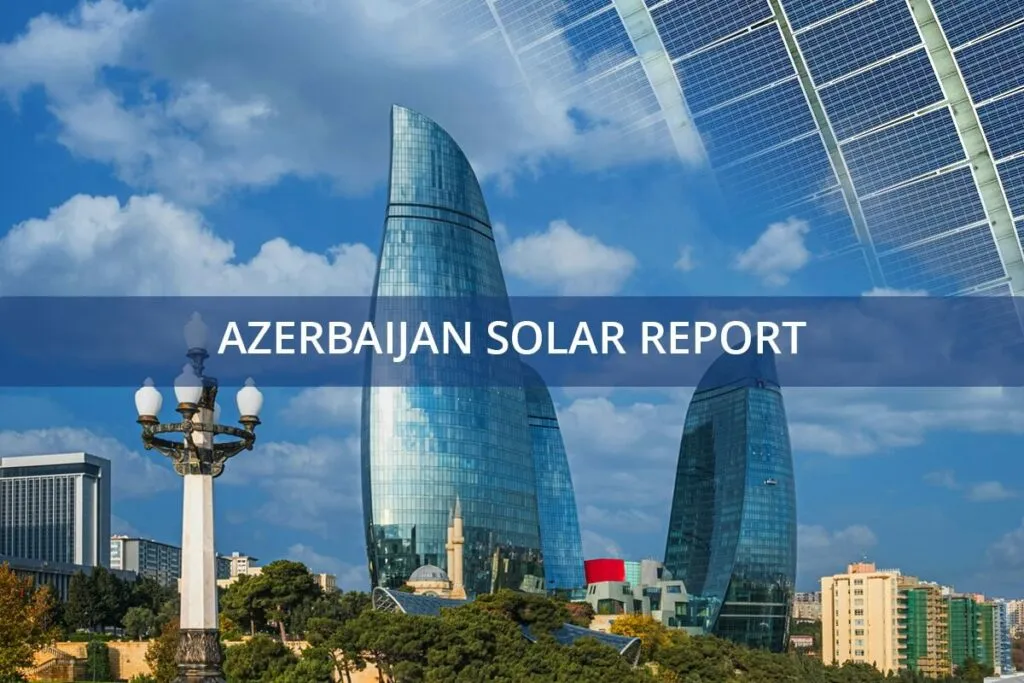
Long recognized as a major oil and gas producer, Azerbaijan is executing a significant strategic pivot towards sustainable energy. While its foundational goal was a 30% share for renewables by 2030, the nation has since amplified its commitment, now officially targeting a 35.5% share of renewable sources in its installed power capacity within the same timeframe, with some projections aiming for nearly 40%.
A Roadmap of Capacity Growth and Strategic Investment for Azerbaijan renewable energy goals: 30% Renewable Energy by 2030
This accelerated transition is backed by a concrete roadmap and substantial international investment. The government is planning to commission over 10 new solar and wind power plants, representing a combined investment of $2.7 billion. The near-term objective is to install over 2 GW of green energy capacity by 2027, designated for domestic use, industrial decarbonization, and export. Looking further ahead, Azerbaijan is targeting an impressive 8 GW of combined onshore and offshore solar and wind capacity by 2030.
Key partnerships are fueling this expansion. An agreement with Saudi Arabia is set to develop a 240 MW wind farm and a 200 MW solar plant, which will be vital in diversifying the country’s energy mix. Furthermore, a memorandum of understanding with the European Bank for Reconstruction and Development (EBRD) signals a serious commitment to developing a national economy for green hydrogen, positioning Azerbaijan as a potential regional leader in this emerging sector.
Harnessing Natural Resources and Overcoming Challenges for Azerbaijan renewable energy goals: 30% Renewable Energy by 2030
Azerbaijan is leveraging its rich natural advantages, from the abundant sunshine ideal for solar generation to the powerful winds of the Caspian Sea region perfect for wind turbines. The country’s solar potential is being actively explored, as detailed in the Azerbaijan Solar Panel Manufacturing Report. The long-term vision includes harnessing up to 7 GW of offshore wind power by 2040, contingent on infrastructure development.
Despite this momentum, the transition is not without challenges. Integrating renewables into a grid historically dominated by fossil fuels requires significant infrastructure modernization. To overcome this, Azerbaijan is focused on fostering public-private partnerships, transferring technology, and building local expertise through international collaboration. Plans for regional integration, such as the proposed Trans-Caspian Energy Corridor, could further enhance its role by enabling green energy exports to Europe and Asia, solidifying its transition from a traditional energy supplier to a modern, diversified green energy hub.
Sources
- Azerbaijan’s renewables potential: progress or empty …
- Post-COP drop? Azerbaijan grows renewables but gas still …
- Energy Minister Parviz Shahbazov: “Renewable …
- News of the CIS countries | Azerbaijan renews target share …
- Azerbaijan sets sights on giant leap in renewable energy …
- Azerbaijan’s Public-Private Partnerships for Sustainable …
- Traditional producers are key to Azerbaijan’s energy …