Iberian power outage: 5 Shocking Lessons for Energy Security Reform
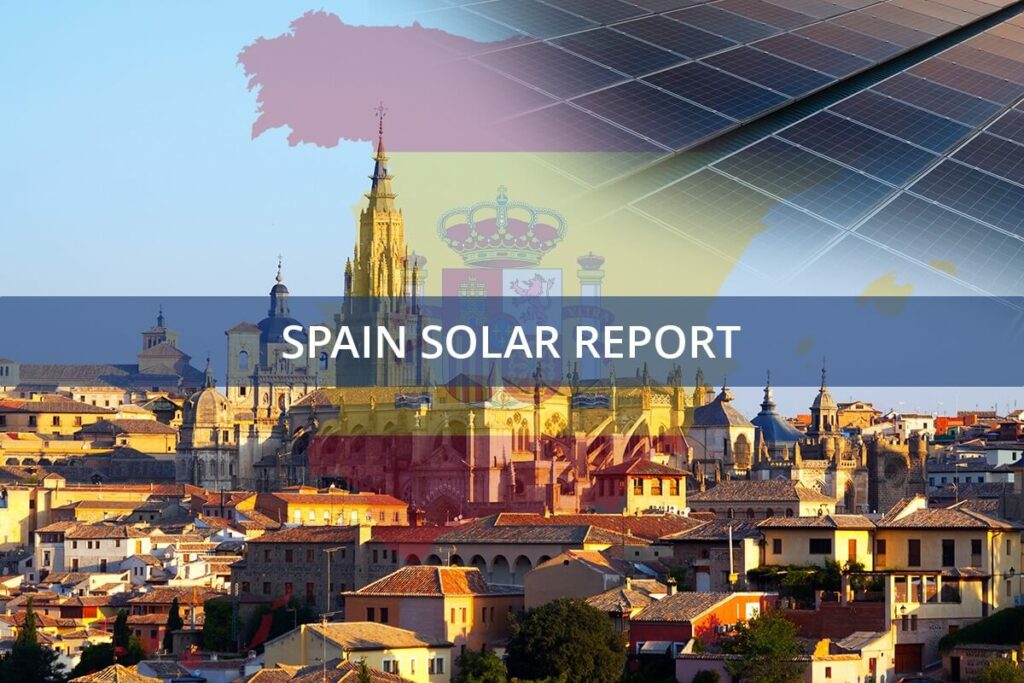
The widespread power blackout that struck the Iberian Peninsula on April 28, 2025, served as a critical stress test for Europe’s increasingly renewable-powered grids. The event, which left millions across Spain and Portugal without electricity, was not caused by a cyberattack, as some initially speculated, but by a cascade of technical failures that have since triggered intense debate on the future of energy security. Post-event analyses from institutions like the Technological Research Institute at Comillas Pontifical University and government bodies have unearthed profound lessons for grid operators and policymakers worldwide.
1. Hybrid Resilience Trumps Pure Renewable Reliance: Learning from the Iberian power outage: 5 Shocking Lessons for Energy Security Reform
A primary cause of the collapse was insufficient synchronous generation needed to maintain grid voltage and frequency stability. While solar photovoltaic output was high, the grid lacked the essential inertia traditionally provided by spinning turbines in conventional power plants. Reports following the blackout emphasize that the path forward requires a hybrid model. This involves integrating synchronous condensers and advanced grid-forming inverters alongside renewable sources, as well as maintaining a minimum threshold of thermal generation to guarantee system stability during fluctuations.
2. Grid Isolation Revealed Critical Interconnection Flaws: The Iberian power outage: 5 Shocking Lessons for Energy Security Reform
The Iberian system’s weak and limited interconnections with the broader European grid proved to be a critical vulnerability. When both AC and HVDC lines to France tripped, the peninsula was effectively isolated, forcing an internal recovery. The situation highlighted a dangerous dependency, underscored by the fact that Morocco supplied 900 MW of aid to help stabilize the network. Experts noted that warning signs, such as voltage issues in the days leading up to the event (April 16-24), should have prompted operators to bring more thermal backups online as a precaution.
3. Operator Accountability and Foresight are Paramount: Addressing the Iberian power outage: 5 Shocking Lessons for Energy Security Reform
Investigations placed significant focus on the actions of Spain’s transmission system operator (TSO), Red Eléctrica de España (REE). According to analyses and commentary from experts like nuclear physicist Dr. Manuel Fernández Ordóñez, REE underestimated the need for thermal power reserves at midday, despite the high solar generation creating low-inertia conditions. This oversight points to a pressing need for a regulatory overhaul. Future frameworks must enforce independent audits and establish clear, stringent standards for integrating high penetrations of renewables, holding TSOs directly accountable for grid resilience.
4. Strategic Energy Storage is a Non-Negotiable Asset: Insights from the Iberian power outage: 5 Shocking Lessons for Energy Security Reform
The blackout exposed that simply having energy storage is not enough; its type and placement are crucial. While battery energy storage systems (BESS) are vital for short-term balancing, the event underscored the need for more long-duration storage, like pumped hydro, to provide sustained stability and inertia. Strategic deployment of these assets can act as a shock absorber for the grid, providing critical voltage support and frequency response when conventional generation is low.
5. Demand-Side Management Must Become a Core Tool: Analyzing the Iberian power outage: 5 Shocking Lessons for Energy Security Reform
A final, critical lesson is the underutilization of demand-side management. In a grid dominated by variable renewables, the ability to flexibly manage electricity demand is as important as managing supply. Implementing smart grid technologies, flexible pricing, and incentive programs to shift non-essential consumer and industrial loads away from periods of system stress could have significantly reduced the strain on the grid, potentially averting the cascading failure. This incident proves that demand response is no longer an optional extra but a fundamental component of a modern, secure energy system. As nations globally confront similar challenges, diverse strategies become increasingly relevant; for instance, examining how Cuba is using solar power to tackle its own energy crisis offers valuable perspective on alternative approaches to energy security.
Sources
- Engineering professor explains potential causes and …
- 2025 Iberian Peninsula blackout
- Iberian Peninsula Blackout 2025: What We Know (and Don’t)
- Massive power outage in Spain and Portugal leaves …
- The Iberian Peninsula Blackout — Causes, Consequences …
- ENTSO-E Expert Panel initiates the investigation into …
- Lessons on energy resilience from the Iberian power outage