Navigating Croatia’s Push with Croatia solar subsidies: Discover 50% Off on Residential Installations
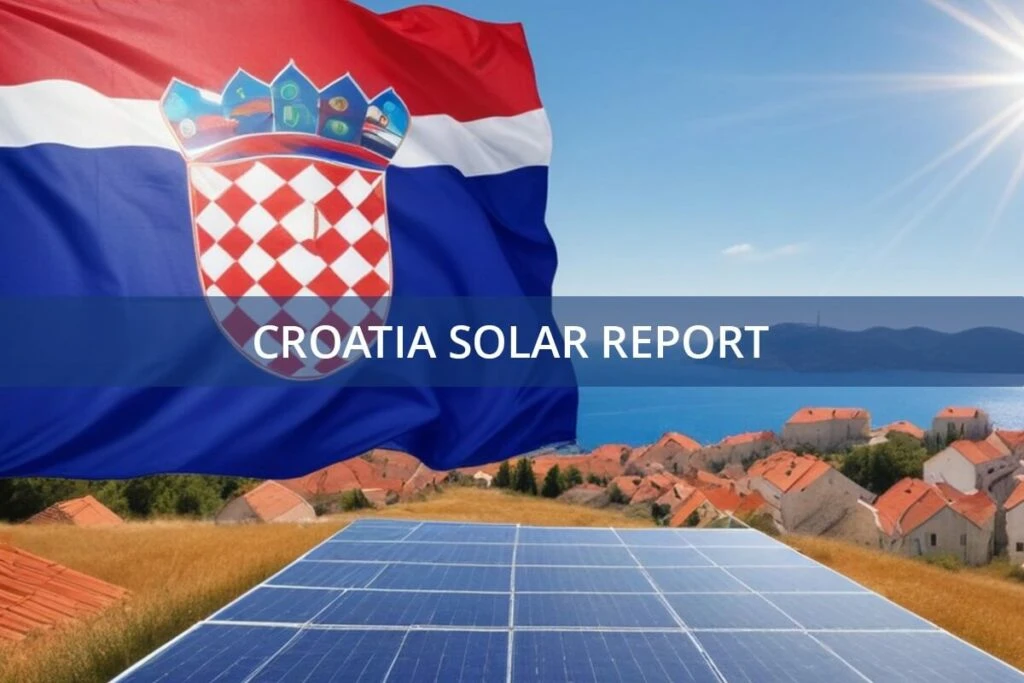
Croatia has ignited significant interest in its renewable energy sector with a highly sought-after subsidy program designed to place solar power within reach for homeowners. Managed by the Environmental Protection and Energy Efficiency Fund (FZOEU), the initiative offered substantial financial incentives, covering up to 50% of eligible costs for residential solar photovoltaic (PV) installations.
Details of Croatia solar subsidies: Discover 50% Off on Residential Installations
The program was specifically structured to accelerate the adoption of green energy among Croatian households. It provided a powerful incentive of up to €600 per kilowatt of installed solar capacity. This financial support was available to individual owners or co-owners of family homes who resided at the installation address, making the transition to solar a more financially viable option for thousands of citizens.
Overwhelming Demand for Croatia solar subsidies: Discover 50% Off on Residential Installations
The response from the public was immediate and overwhelming. The FZOEU received approximately 4,100 submissions from eager homeowners, a testament to the strong demand for renewable energy solutions across the country. This massive influx of applications demonstrated the program’s success in mobilizing public interest but also led officials to pause the application process in mid-2025 to manage the high volume.
Impact on Croatia’s Energy Goals with Croatia solar subsidies: Discover 50% Off on Residential Installations
This residential subsidy program is a critical component of Croatia’s broader National Energy and Climate Plan. The nation aims to achieve 2,382 MW of installed solar capacity by 2030, and residential rooftop PV is a key driver toward this target. The program’s popularity contributed to a banner year for solar in 2025, when solar accounted for 97% of new energy capacity early in the year and the country added a total of 417 MW.
While this specific subsidy is paused, the momentum for renewables continues. The incredible demand underscores the public’s readiness to invest in a sustainable future. Croatia continues to support green energy through other mechanisms, including preferential loans, tax incentives, and European Union funds, ensuring the country remains on track to reduce its reliance on fossil fuels and meet its climate objectives.
Sources
- Croatia pauses applications for residential solar subsidies
- Subsidies for residential heat pumps in Europe
- Solar Energy in Homes: From Idea to Real Savings
- Croatia adds close to 500 MW of solar capacity in 2025 – Elite Home …
- Dispatch from Croatia | January ’26
- Croatia | Country profiles | Europe’s environment 2025 (EEA)
- Green Real Estate in Croatia: 2025 Standards and Subsidies
- Towards a climate-resilient net-zero economy
- RES Croatia: “Returns are looking attractive”
- Croatia deploys 417 MW of solar in 2025