New Solar Plant Aims to Reduce NWC’s Energy Bill
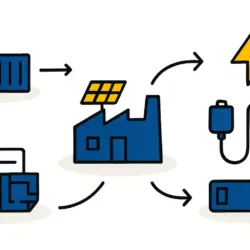
As part of a strategic push toward energy independence and cost reduction, Prime Minister Andrew Holness has officially inaugurated a 250-kilowatt solar facility at the National Water Commission’s (NWC) Logwood pumping station. The project represents a significant investment in Jamaica’s renewable energy infrastructure, directly targeting the NWC’s substantial operational expenses, which include an annual electricity bill of approximately $10 billion.
Project Details and Financial Impact
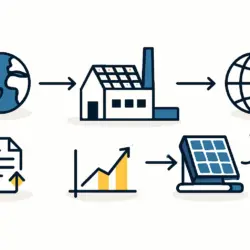
Financed through a $100 million investment from the World Bank, the new installation is projected to deliver substantial financial relief, saving the NWC an estimated $30 million each year. During the unveiling ceremony, Prime Minister Holness underscored the government’s dedication to weaning the NWC off its heavy reliance on the national grid. Currently, the water commission consumes about 10% of all electricity generated by the Jamaica Public Service Company (JPS), a dependency that influences consumer water rates.
A Cornerstone of Jamaica’s National Energy Strategy
The Logwood facility, which will serve around 25,000 people across Hanover and Westmoreland, is a key component of a broader national mandate to integrate renewable energy across all government agencies. The Prime Minister praised the NWC’s ongoing efforts, referencing existing solar installations in Seaview Gardens and Halse Hall, along with planned projects for the Great River and Martha Brae facilities. “The solarisation of the NWC’s facilities is part of the Government’s broader strategy to increase the use of renewable energy across all public agencies,” Holness noted, emphasizing the alignment with Jamaica’s goals for energy security and sustainability.
Technical Specifications and Environmental Benefits
Engineered to generate nearly 400,000 kilowatt-hours of clean energy annually, this investment in photovoltaic systems is expected to reduce Jamaica’s carbon footprint by approximately 200 metric tonnes per year. To bolster resilience, the facility is equipped with a battery storage system capable of powering the station for up to two hours during grid outages. This project is one of several initiatives, including energy audits and infrastructure upgrades, designed to curb the NWC’s consumption. The commission is also actively exploring other renewable sources, such as wind and hydroelectric power, to diversify its energy portfolio.
The Path to Energy Independence
The government has set an ambitious target for the NWC to achieve complete energy independence within the next five to ten years. By adopting comprehensive energy management systems and investing in projects like the Logwood facility, the NWC is taking decisive steps toward this goal. This transition not only promises to reduce the financial strain on the commission and its customers but also solidifies Jamaica’s commitment to global climate action, mirroring similar renewable energy advancements seen in nations like Barbados and Yemen.
Sources: Solar facility opening: Prime Minister Holness Unveils 250 kW Facility
- TOOLKIT JAMAICA BUILDING 2025 GREEN
- Jamaica projects billion dollars savings from new water project
- Solar solution