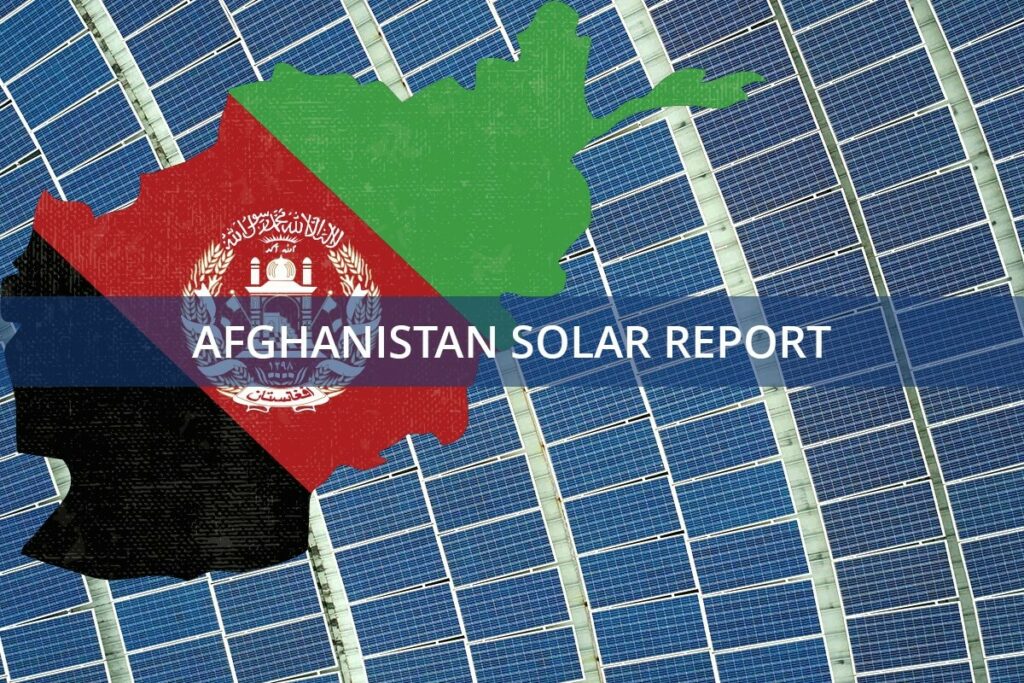
When you think of Afghanistan, “solar powerhouse” might not be the first thing that springs to mind. But it’s a land absolutely brimming with sunshine—we’re talking a staggering 222,000 MW of potential and around 300 sunny days a year. It’s an incredibly exciting prospect for anyone passionate about solar energy.
As the nation works to build a future powered by its own clean resources, the door is wide open for entrepreneurs and investors looking to establish local solar module manufacturing in Afghanistan. If that’s you—if you’re an entrepreneur or investor with that spark of vision—then understanding the local rulebook, the regulatory framework, is your first crucial step. Think of this as your friendly roadmap, here to help you make sense of the legal details, permits, and compliance requirements for building your solar module factory. It’s all about helping you conduct your due diligence thoroughly.
Table of Contents
What’s the Lay of the Land for Solar Manufacturing Rules in Afghanistan?
Let’s be frank: stepping into Afghanistan’s regulatory world, especially with all the recent changes, demands care and attention. While there’s a real drive towards renewable energy (which is fantastic!), it’s smart to go in knowing that things can, and do, change.
You’ll find that key players like the Ministry of Energy and Water (MEW) and Da Afghanistan Breshna Sherkat (DABS)—the national power utility—are still central to the process. The big-picture plans, like the Renewable Energy Policy (RENP) and the impressive Renewable Energy Roadmap for Afghanistan (RER2032) aiming for 4,500–5,000 MW of renewable capacity by 2032, underscore the country’s commitment. Our strongest recommendation? Always work with the most current information and seriously consider partnering with a local legal expert. Their on-the-ground knowledge will be invaluable for navigating the regulatory framework for solar manufacturing in Afghanistan.

Step 1: Getting Your Legal Ducks in a Row – Business Setup
Ready to get your solar manufacturing dream off the ground? Fantastic! The very first thing you’ll need is a rock-solid legal footing.
Understanding Investment Laws – For Everyone
Historically, Afghanistan’s Private Investment Law and similar frameworks have aimed to encourage investment from both local and international entrepreneurs like you. While the specifics of these laws can evolve—so staying updated is key—the core principle has consistently been to foster a secure environment for investment. It’s crucial to get a crystal-clear understanding of the current laws, especially any provisions that protect or guide foreign investors. Understanding these investment laws in Afghanistan from the outset is the best way to protect your investment and ensure you’re playing by the rules from day one.
Making it Official: Business Registration and Licensing
Next up is registering your company. This usually involves a few key steps, often handled by an agency performing functions similar to the former Afghanistan Investment Support Agency (AISA). Here’s a general idea of what the process involves:
- Picking Your Business Structure: First, you’ll need to figure out what kind of legal setup makes the most sense for your factory.
- Getting Your Name and Applying: This is where you lock in your company name and then submit the official registration paperwork.
- Getting the Right Licenses: You’ll need a general business license, but there might also be special ones just for manufacturing. It’s great to see local companies like Etemad Sun Solar in Herat already making this happen—they went through this whole process to get their solar panel factory up and running, a real testament to local drive!
My tip? Consulting with the right authorities as early as you can will make a world of difference in understanding current requirements and smoothing out the entire process.
Step 2: Diving into Energy-Specific Rules
Okay, you’ve got the general business setup sorted. Now it’s time to get into the nitty-gritty of rules specific to the energy sector.
The Power Services Regulation Act: What it Means for You
The Power Services Regulation Act has long been the key legislation enabling private companies to enter power generation and services. It’s essential to understand exactly how this Act affects you as a manufacturer—especially if you’re thinking about generating your own power or if you’ll need to connect to the national grid to test your modules.
Ready to make big Profits?
The solar Industry is Booming
WE HELP NEWCOMERS to the solar industry start their own solar module production line. Customers can make BIG PROFITS by selling modules and finding investors, without wasting money and time on things they don't need!
Tuning into the National Renewable Energy Policy (RENP)
Then there’s the National Renewable Energy Policy (RENP), where Afghanistan outlines its long-term goals for renewable energy. If you can show how your manufacturing plans align with these national aims, you might unlock valuable opportunities. In the past, this policy included incentives like Feed-in Tariffs (FiTs) and net-metering; you’ll definitely want to verify the current status of these programs and how they might apply to a solar module manufacturer.
Power Purchase Agreements (PPAs) and Getting Hooked Up to the Grid
If your factory might sell extra power back to the grid, or if you just need a solid, stable connection for daily operations and testing, then you absolutely need to understand how Power Purchase Agreements (PPAs) work and what DABS’s rules are for grid connection. These agreements are often geared toward large power plants, but parts of the rules could still apply if you operate a large factory or have significant testing needs.
Step 3: Permits, Permits, Permits – Setting Up Your Factory
Building a physical factory is a big step, and it means securing permits for land, the environment, and construction.
Finding Your Spot: Land Acquisition and Industrial Zoning
Finding and securing the right piece of land is a huge milestone. Here’s what you’ll need to clarify:
- Land Acquisition Processes: What are the official procedures for legally purchasing or leasing industrial land?
- Zoning Rules: You must ensure the spot you’re eyeing is approved for industrial and manufacturing work. Keep an eye out for any designated, operational industrial parks—they sometimes have smoother processes for manufacturing permits.
Keeping it Green: Environmental Compliance and Permitting
Let’s talk about the environment. Any factory, including one making solar modules, needs to think carefully about its impact.
Here’s what’s usually on the checklist:
- Environmental Impact Assessment (EIA): Think of this as a deep dive into any potential environmental effects your factory might have and how you’ll manage them. Afghanistan’s National Environmental Protection Agency (NEPA) has traditionally overseen these assessments.
- Keeping it Clean (Pollution Control): You’ll need to adhere to regulations about air and water emissions.
- Dealing with Waste: Properly managing by-products and chemical waste isn’t just good practice; it’s essential for sustainable operations and environmental compliance in Afghanistan.
Building Your Base: Construction and Infrastructure Permits
So, you’ve got your land and are making progress on the environmental side. Next up: construction permits. This generally means:
- Following the Building Rules: Ensuring your factory plans meet all national or local building standards.
- Getting the Go-Ahead to Build: You’ll need to get official approval from local authorities before you can start construction.
Step 4: The Ins and Outs of Trade and Customs
Now for the world of trade and customs—something every solar manufacturer needs to get familiar with, especially when importing machinery and raw materials or exporting finished modules.
Bringing Things In: Import Rules for Machinery and Materials
A solid understanding of Afghanistan’s customs setup is key to keeping your costs in check. Here’s what to focus on:
- What You’ll Pay at the Border (Customs Duties and Tariffs): You need to know what import duties will apply to your major equipment, components (solar cells, glass, aluminum frames), and other raw materials. It’s worth noting that some past reports, like ‘Enabling PV Afghanistan,’ have pointed to high customs tariffs as a potential hurdle.
- Any Chance of a Break? (Exemption Possibilities): Crucially, investigate potential exemptions or preferential tariff rates for importing equipment and materials intended for renewable energy manufacturing.
- Paperwork, Paperwork, Paperwork (Documentation and Clearance): Making sure all your import documents are accurate and complete will save you a lot of headaches when getting things through customs.
Sending Things Out: Export Rules (If You’re Planning to Export)
And if you’re thinking big and planning to export your new solar modules to other countries, you’ll want to get up to speed on:
- How to Send Goods Out (Export Procedures): What paperwork and procedures are involved?
- Any Perks or Problems? (Incentives or Restrictions): Check for any government incentives for exporters or any restrictions on sending locally made goods out of the country.
Step 5: People and Pennies – Labor, Employment, and Taxes
Running a factory isn’t just about machines and materials; it’s about people. So, naturally, you’ll need to be on top of local labor laws and the tax system.
Working With Your Team: Key Labor Laws for Manufacturers
Afghanistan’s labor laws typically cover areas such as:
- Bringing Your Team Onboard (Hiring Practices): The rules around employment contracts and recruitment.
- Fair Pay and Conditions (Wages and Working Conditions): Local standards for minimum wage, working hours, and holiday time.
- Keeping Everyone Safe (Occupational Safety and Health – OSH): This is a big one. Making sure your factory is a safe place to work isn’t just about ticking a legal box; it’s fundamental to being a responsible employer and looking after your people.
Understanding the Tax Man: Your Taxation Framework
And then there’s tax. Getting a clear picture of what you’ll owe is essential for good financial planning.
You’ll want to look into:
- What the Business Pays (Corporate Income Tax): What are the current tax rates for manufacturing companies?
- Any Tax Breaks? (Tax Holidays or Incentives): It’s highly advisable to check for any tax holidays, rebates, or other fiscal incentives specifically available for investments in renewable energy manufacturing in Afghanistan.
- Other Taxes (VAT and Indirect Taxes): Determine how things like Value Added Tax (VAT) or other indirect taxes might affect your material costs, sales, and any services you use.
Step 6: Playing it Smart – Compliance and Managing Risks
If you’re in this for the long haul—and I’m sure you are—then staying on the right side of the law and smartly managing risks will be crucial for your success.
Quality Counts: Standards for Your Solar Modules
When it comes to the quality of your solar modules, even if specific Afghan standards are still taking shape, sticking to well-known international standards (like IEC) is critically important. Meeting these standards is vital for product acceptance, both at home and in potential solar panel export markets.
Protecting Your Investment and Solving Problems
It’s also smart to get a handle on how the legal system works if issues come up. Think about:
- Making Sure Agreements Stick (Contract Enforcement): How are contracts upheld and enforced in the Afghan legal system?
- Sorting Out Disagreements (Commercial Dispute Resolution): If you run into a commercial dispute, what are your options for resolving it? Are disputes handled by local courts, or are alternative mechanisms like mediation or arbitration available and effective?
Thinking Ahead: Security and Operational Risks
Let’s be realistic: operating in Afghanistan means security requires careful consideration.
- What Support is There? (Government Initiatives): It’s wise to inquire about any government measures or assurances for the security of investments and industrial areas.
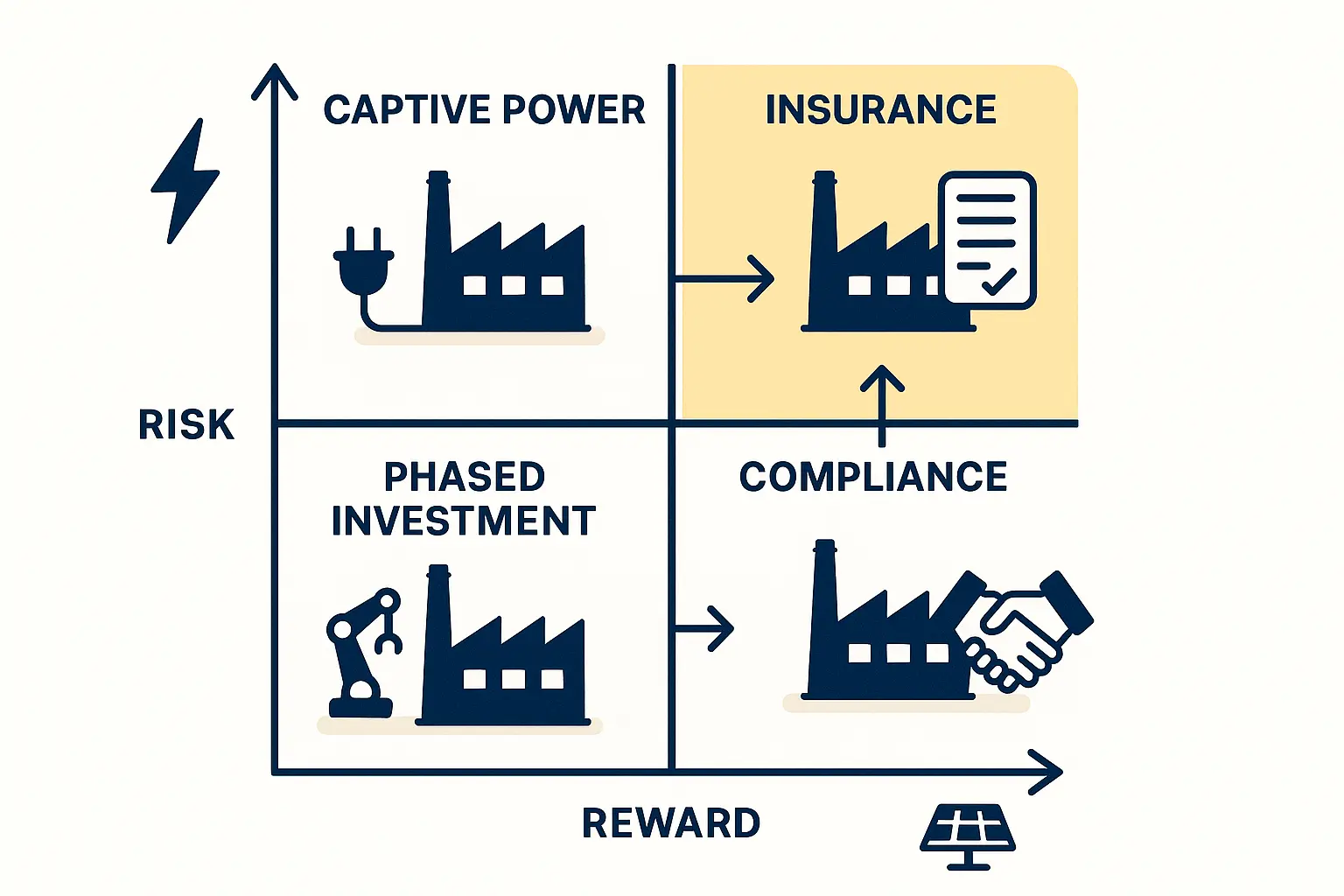
- Doing Your Homework (Due Diligence): Honestly, conducting thorough due diligence on all security, logistical, and operational risks isn’t just a good idea; it’s absolutely essential. And while you’re at it, you might want to look into options like political risk insurance.
A Heads-Up: Key Challenges and Things to Consider
There’s no doubt that the potential for solar manufacturing in Afghanistan is huge. But like any big venture, it’s important to go in with your eyes open to the challenges:
- Red Tape (Bureaucratic Hurdles): Getting through all the administrative hoops can take time. My advice? Pack plenty of patience and persistence—they’ll be your best friends.
- The Basics (Infrastructure Limitations): A reliable electricity supply (which, funnily enough, solar itself can help fix!) and good transport links can affect manufacturing. Currently, national electricity access is around 30-40%, with much of that power being imported.
- Finding the Funds (Access to Finance): Securing financing, whether locally or from overseas, can often be a tricky piece of the puzzle.
- Shifting Sands (Evolving Regulatory Landscape): Rules and regulations can change. Maintaining open lines of communication with relevant authorities and ensuring your legal advice is current is vital.
- The Broader Picture (Security Situation): The security situation must be a key part of your risk assessment and operational planning.
Wrapping Up: Your Journey to Solar Success in Afghanistan
So, there you have it. Setting up a solar module factory in Afghanistan is a bold, ambitious project. But the rewards could be incredible. You’ve got an amazing natural gift of sunshine backed by a government commitment to renewable energy—that’s a powerful starting point.
But—and this is a big ‘but’—your success will depend on how carefully you navigate the regulatory landscape we’ve outlined, from business registration and manufacturing permits to trade, labor, and tax laws. Doing your homework thoroughly (your due diligence), getting good local legal advice, and making an effort to understand the current rules of the game are not optional. There will be challenges, no doubt. But for investors who come prepared, the chance to play a real part in shaping Afghanistan’s energy future, creating local jobs, and building a lasting business makes the journey truly worthwhile.
Feeling inspired to dig deeper into Afghanistan’s burgeoning solar scene? We’ve got more insights for you. Learn about Solar Manufacturing Opportunities and the Investment Climate in Afghanistan here:
Thinking you need an experienced partner for your solar manufacturing venture in Afghanistan? That’s where we excel. The team at PVknowhow.com brings over two decades of global expertise in setting up solar module production lines. Want to learn more or need expert help? Visit our Free E-Course or explore our services.