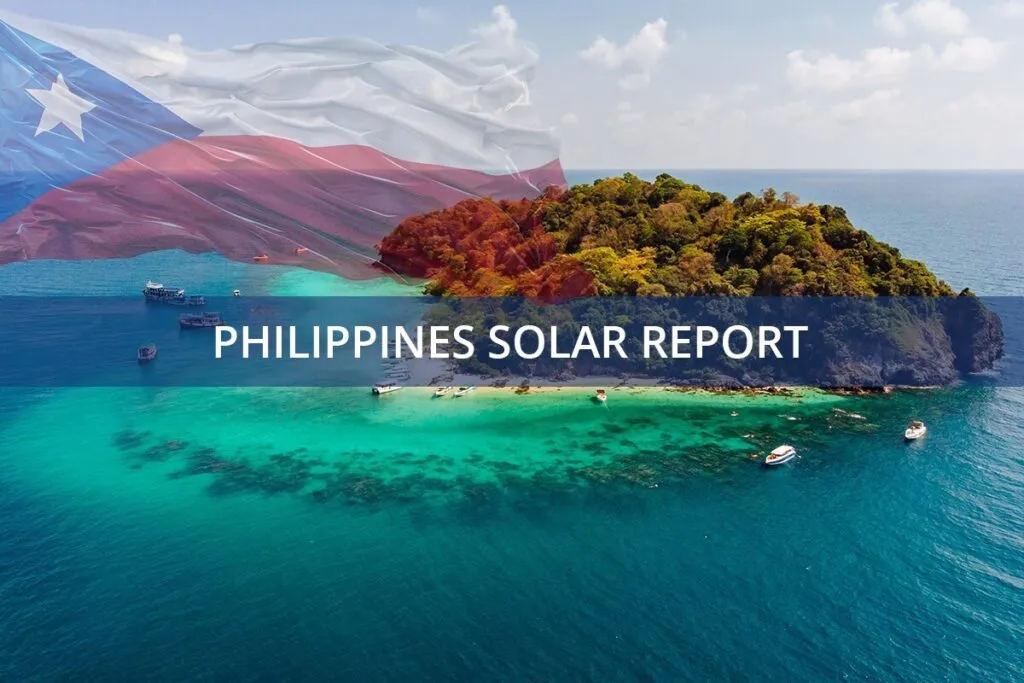
The Republic of the Philippines is embarking on a bold energy transformation, strategically positioning solar power as the cornerstone of its sustainable future. Guided by the Department of Energy’s (DOE) comprehensive Philippine Energy Plan (PEP) and National Renewable Energy Program (NREP) 2020-2040, the nation has officially targeted a 50% share for renewable energy in its power generation mix by 2040, with an ambitious interim goal of 35% by 2030. In fact, DOE projections suggest the country could even surpass this objective, potentially reaching a 56.9% renewable share by the target year, fueled by committed projects and burgeoning solar and wind capacity.
Harnessing Philippines solar energy: Stunning 2040 Goal of 50% Renewable Power
To achieve these targets, the government is leveraging competitive mechanisms like the Green Energy Auction Program (GEAP). The upcoming fourth round, GEAP 4, scheduled for December 18, 2024, is set to be a landmark event. The auction aims to secure 2,927 megawatts (MW) of new renewable capacity, with solar power overwhelmingly dominating the portfolio at 2,727 MW. The remaining capacity will be sourced from wind (100 MW), run-of-river hydro (50 MW), and biomass (50 MW). This solar capacity will be strategically distributed across the archipelago, with Luzon and Visayas each targeted for 1,000 MW, Mindanao for 500 MW, and the final 227 MW allocated across the three regions. This follows the successful GEAP Round 3, which allocated over 2,400 MW of solar projects, underscoring the consistent focus on this resource.
The Philippines’ geographical advantage, characterized by high solar irradiance, makes it a prime location for photovoltaic development, a factor explored in analyses of local solar innovations. This natural potential is being unlocked through robust policy and substantial private sector participation.
Private Investment Fuels the Green Transition in Philippines solar energy: Stunning 2040 Goal of 50% Renewable Power
The DOE’s clear policy direction has catalyzed a wave of private investment, demonstrating strong market confidence in the nation’s renewable energy sector. High-profile ventures are becoming increasingly common, including major solar power plant partnerships such as the 153.5MW facility developed by CREC and SMC Global Light & Power Corp. Further testament to this trend is Wyn Power’s 1.5 billion PHP investment in a 50 MW solar farm. These collaborations are essential for building the infrastructure needed to meet the country’s ambitious goals.
The success of private entities, such as MGen exceeding its 778 MW solar power target, illustrates the momentum building within the industry. These stunning solar projects are transforming the future of energy in the Philippines. While other renewables play a supporting role, solar energy’s scalability and increasing cost-effectiveness have cemented its position as the lead technology in the nation’s push for energy security and decarbonization. Through the combined force of government initiatives and private enterprise, the Philippines is not just meeting its targets but is also charting a course to become a renewable energy leader in Southeast Asia.
Sources
- How is the Philippines transitioning to renewable energy?
- Philippines publishes national renewable energy …
- DOE optimistic to meet 50% clean energy share by 2040
- The Philippines could outpace its 2040 renewable energy …